
30-Day Security Awareness Training in Arabic for Saudi, UAE & Qatar
30-Day Security Awareness Training in Arabic for Saudi, UAE & Qatar

30-Day Security Awareness Training in Arabic for Saudi, UAE & Qatar
Security awareness training in Arabic is a structured program that teaches your employees, in their native language, how to spot cyber threats, protect data and follow your security policies. For GCC companies in Saudi, UAE and Qatar, a 30-day Arabic-first campaign fits local culture, mixed workforces and regulators’ expectations around ongoing cyber hygiene and awareness.
Across Saudi Arabia, United Arab Emirates and Qatar, ransomware, business email compromise and WhatsApp fraud are now everyday risks for banks, government entities, logistics fleets and ecommerce brands. Security awareness training in Arabic is no longer “nice to have” it’s how you turn frontline staff into a human firewall instead of your weakest link.
Many GCC organizations quietly admit that English-only e-learning is skipped, guessed or delegated. Frontline staff in branches, contact centres, warehouses and clinics need examples, voice-over and scenarios in Arabic to truly understand phishing and social engineering especially when scams arrive via Arabic SMS, social media and calls.
In simple terms, security awareness training in Arabic gives every employee clear, culturally aware guidance on daily cyber hygiene best practices. GCC companies need it because real attacks hit Arabic-speaking users on their phones, inboxes and apps long before they show up on SOC dashboards.
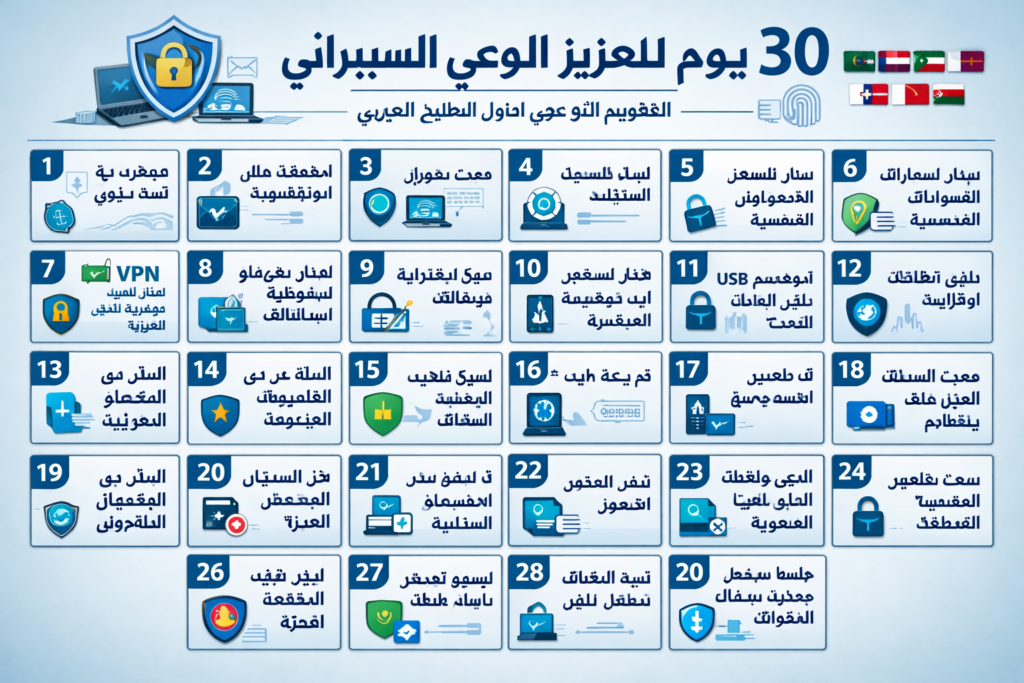
Your 30-Day Arabic Security Awareness Program at a Glance
A focused 30-day plan breaks training into four weekly themes, daily 5–10 minute learning bites and short quizzes in Arabic and English. Week by week, your teams in Riyadh, Dubai and Doha build habits around password and identity protection, safe email behaviour and information security policy awareness without disrupting operations.
What Is Security Awareness Training in Arabic for GCC Employees?
Clear Definition with an Arabic-First Focus
Security awareness training in Arabic is a structured program of videos, micro-lessons, quizzes and phishing simulations delivered primarily in Arabic, with bilingual support where needed. It teaches employees how to recognise attacks, protect sensitive data and follow your internal policies across email, cloud apps, mobile and on-prem systems.
For many teams especially branches and operations security awareness training in Arabic is their first real introduction to cyber risk in language they actually use every day.
How Arabic-Language Training Improves Cyber Hygiene in KSA, UAE and Qatar
When cyber hygiene best practices are explained in everyday Arabic, not just technical English, completion rates, quiz scores and incident reporting all improve. Staff in banks, ministries and hospitals across Saudi Arabia, the UAE and Qatar are more likely to pause before clicking suspicious links, re-use fewer passwords and follow data privacy and protection training because they genuinely understand the “why” in their own language.
Why Bilingual GCC Workforces Need Localized Examples
Most GCC offices mix Arabic speakers with English, Urdu, Hindi, Tagalog and other languages. A good program uses Arabic as the anchor, supports English for management and expats, and adds subtitles for key expat groups while respecting Islamic and local cultural norms.
Examples should reference real channels in the region SADAD, Mada, local IBAN formats, Hukoomi, gov.sa portalsso the lessons feel like Riyadh, Abu Dhabi or Doha, not New York or London.
Why a 30-Day Arabic Security Awareness Program Works in Saudi, UAE and Qatar
The Psychology of 30-Day Habits for Phishing and Social Engineering Awareness
Behaviour science tells us that around 21–30 days of small, repeated actions are often enough to create a habit. A 30-day security awareness training in Arabic for employees in Riyadh, Jeddah or Dammam uses one clear theme per week and quick, daily nudges so people naturally start reporting suspicious emails, DMs and calls instead of ignoring them.
Weekly Themes and Micro-Learning for Busy GCC Employees
Each week focuses on one topic passwords, phishing, data privacy, then policy and incident reporting delivered as short mobile-friendly lessons that fit between customer calls or site visits. Busy staff in Dubai malls, Abu Dhabi government offices or Qatar logistics hubs can complete lessons on their phones during natural breaks, keeping phishing and social engineering awareness front of mind.
How a 30-Day Pilot De-Risks Investment for CISOs and HR
For CISOs, HR and risk teams, a 30-day pilot is an easy way to prove impact before a full roll-out. You can measure baseline phishing click rates, quiz scores and policy acknowledgement, then show boards and audit teams how one focused month changed behaviour across branches in Riyadh, Dubai and Doha.
Aligning Your 30-Day Program with GCC Regulations (SAMA, NDMO, TDRA, QCB, NCSA)
Saudi Focus Mapping Daily Topics to SAMA and SDAIA/NDMO Expectations
How does a 30-day security awareness program help Saudi organizations meet SAMA and NDMO expectations?
For regulated entities under Saudi Central Bank (SAMA), cyber security awareness and training programs are explicitly required to create a risk-aware culture and must be repeated and measured. Mapping your 30-day calendar to SDAIA and National Data Management Office (NDMO) data governance and PDPL guidance helps show auditors you’re embedding data protection and access control into daily behaviour, not just publishing policies.
UAE Focus Supporting TDRA Cyber Strategies and aeCERT Guidance
In the UAE, the Telecommunications and Digital Government Regulatory Authority (TDRA) and aeCERT run ongoing cyber safety and digital security campaigns that stress citizen and employee awareness, workshops and national initiatives. A 30-day program that references these initiatives for example, explaining fake UAEPass or Etisalat scams shows your teams that corporate training matches national guidance.
Qatar Focus Integrating QCB and NCSA Campaigns with Internal Training
Qatar Central Bank (QCB) and the National Cyber Security Agency (NCSA) run sustained campaigns on financial fraud, data privacy and national Cybersecurity Awareness Month, targeting both the public and organizations. When your 30-day internal content in Doha uses the same messages and language as those campaigns, staff see a single, trusted line from regulator to company, not conflicting advice.
Daily Topics for a 30-Day Cyber Security Awareness Campaign in Arabic
Password and Identity Protection Training in Arabic
Week 1 covers password and identity protection training: unique passphrases, multi-factor authentication, safe use of company credentials and avoiding shared logins in branches, warehouses and clinics. Examples show real GCC systems, from core banking to HR portals, plus tips for securing personal accounts used for work groups.
Phishing, Social Engineering and WhatsApp/Phone Scams Common in GCC
Week 2 focuses on phishing and social engineering awareness using Arabic emails, SMS and WhatsApp screenshots that look like local delivery firms, ministries and banks. In mixed expat and local teams, this is where short role-plays in Arabic and English help staff practise saying “no” to social engineers pretending to be managers, vendors or inspectors.
Data Privacy and Information Security Policy Awareness
Weeks 3–4 move into data privacy and protection training and information security policy awareness: handling customer IDs, health records, payroll files, and when to use encrypted channels or approved cloud tools. Scenarios reference PDPL in Saudi, TDRA cyber safety guidance in the UAE and QCB fraud-awareness campaigns in Doha so teams see exactly why rules exist.
Formats and Delivery Online Arabic Training, Phishing Simulations and LMS Integration
Online Security Awareness E-Learning in Arabic with LMS Integration
Most GCC organizations prefer online security awareness training in Arabic delivered via their existing LMS or HR platform, with SCORM/xAPI support and single sign-on. A UAE-friendly security awareness program with an Arabic interface ensures staff in Dubai and Abu Dhabi can switch languages easily and track completion in the same systems used for other compliance courses.
Phishing Simulation Training in Arabic for Banks, Government and Logistics
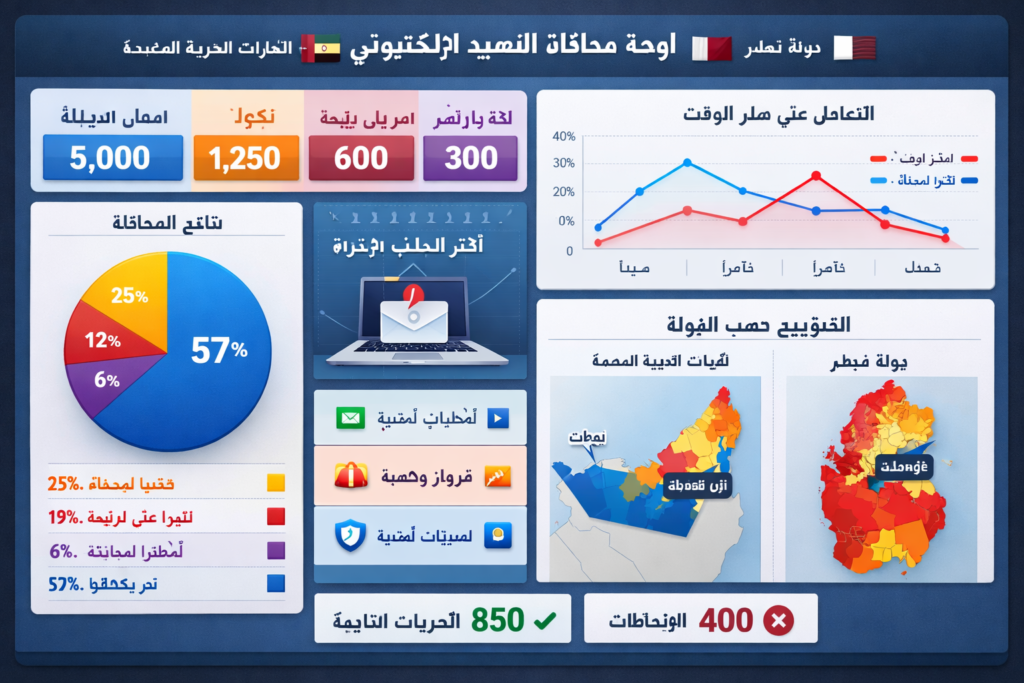
Banks, ministries, logistics and oil & gas operators increasingly rely on Arabic phishing simulations that mimic real local campaigns, including spoofed invoices, courier notices and charity scams. Results by department and city help CISOs tune controls for branches in Jeddah, free zones like Dubai International Financial Centre (DIFC) or Abu Dhabi Global Market (ADGM)
Blended Model On-Site Workshops Plus Remote Refreshers
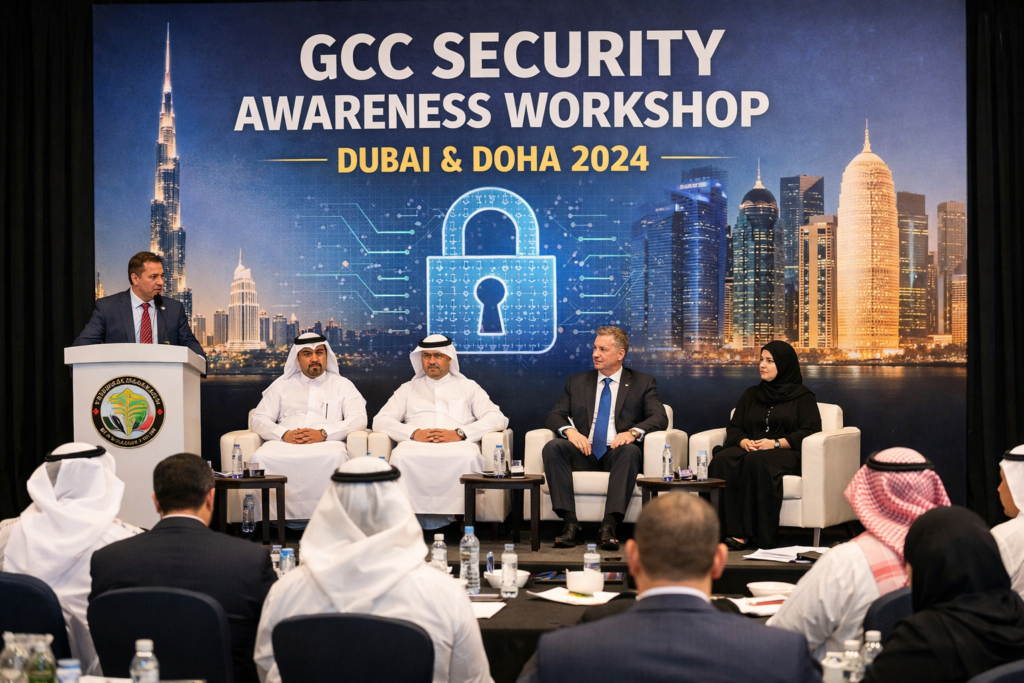
For high-risk roles, blended delivery combines on-site Arabic workshops in Riyadh, Dubai and Doha with remote refreshers and follow-up quizzes. This works especially well for regulated fintech teams, front-office government counters and operations crews who respond better to live discussion than pure e-learning.
How to Launch a 30-Day Arabic Security Awareness Program for GCC Offices
Assess Current Awareness and Regulatory Gaps
Start with a short survey, quick phishing test and policy review across Saudi, UAE and Qatar offices to understand current behaviour and gaps against SAMA, TDRA and QCB expectations.
Localize Content for Languages and Culture
Next, design content with Arabic first, then add English and key expat languages, avoiding examples that conflict with Islamic values or local law. Security awareness training in Arabic should use modest visuals, realistic workplace scenarios and respectful wording about personal devices and social media.
Roll Out, Measure and Report
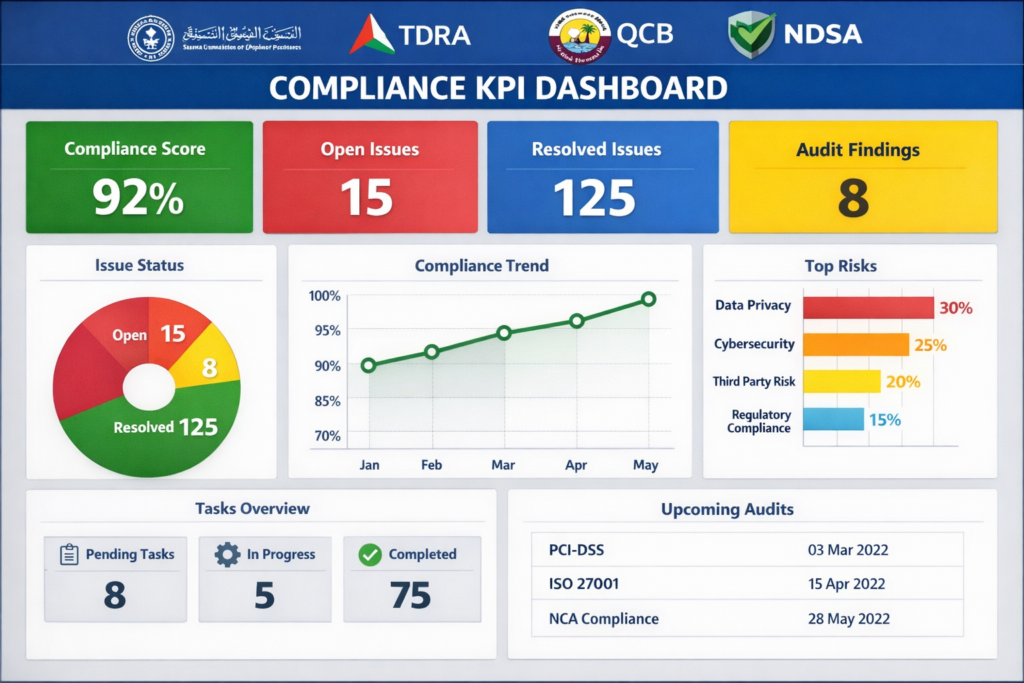
Finally, launch the 30-day plan, share weekly KPI snapshots and prepare a simple pack for internal audit and regulators. For cloud delivery, many GCC teams use in-region hosting such as AWS Bahrain, Azure UAE Central or GCP Doha to keep training data closer to users and support data residency expectations.
Measuring Impact and Scaling Across GCC
KPIs: Phishing Click Rates, Quiz Scores and Policy Acknowledgment
Track phishing click and report rates, average quiz scores and digital policy acknowledgement across Saudi, UAE and Qatar. Over time, you should see fewer risky clicks, more reported suspicious messages and higher completion for cyber security awareness training in Arabic for companies in Doha and other cities.
Adapting Your Program for Kuwait, Bahrain and Oman
As your GCC footprint grows into Kuwait, Bahrain and Oman, reuse the 30-day core but swap in local regulators, telecom brands and scam types. In Jeddah, Abu Dhabi or new regional hubs, the same LMS, reporting templates and Arabic content can be rolled out with minimal extra cost.
When to Move from a 30-Day Campaign to Continuous Cyber Hygiene
After one or two cycles, most boards ask to move from a single campaign to continuous cyber hygiene best practices. At that stage, monthly refreshers, quarterly phishing simulations and annual deep-dive workshops turn your original 30-day sprint into an ongoing culture program across the whole GCC.
For GCC organizations, Arabic-first security awareness training is now central to resilience, not just a compliance box. Regulators expect it, attackers exploit any weakness in language and culture, and boards want proof that frontline staff really understand their role in protecting customers and citizens.
This article is for general information only and does not replace legal, regulatory or professional advice. Always confirm current SAMA, TDRA, QCB, NCSA and other local guidance before finalizing your program.
Reach out to Mak It Solutions to map your current risks, localize content for Saudi, UAE and Qatar, and integrate everything into your existing LMS and cloud stack. Our team can also help you align your training with SAMA, TDRA, QCB and NCSA expectations, while keeping the experience simple and human for every employee.( Click Here’s )
FAQs
Q : Is security awareness training in Arabic mandatory for banks under SAMA rules in Saudi Arabia?
A : While Saudi Central Bank (SAMA) doesn’t prescribe one specific course, its Cyber Security Framework and related circulars clearly require formal cybersecurity awareness and training programs for staff, third parties and even some customers.For Saudi banks and fintechs, this effectively makes structured awareness training mandatory, and delivering it in Arabic is often the only way to ensure frontline staff actually understand their responsibilities. Many organizations align their internal calendars with broader SDAIA and NDMO data protection guidance so they can demonstrate both cyber and privacy awareness to internal audit and regulators.
Q : How often should UAE companies run Arabic cyber security awareness sessions for employees in Dubai and Abu Dhabi?
A : Most UAE companies aim for at least one full awareness cycle per year, with shorter refreshers during the year. TDRA and aeCERT regularly promote information security awareness campaigns and workshops, highlighting the need for repeated, not one-off, communication with staff. In practice, many organizations in Dubai and Abu Dhabi run a 30-day campaign once a year, plus quarterly phishing simulations and short topical videos in Arabic and English. Aligning timing with local or global Cybersecurity Awareness Month also helps demonstrate commitment to national priorities.
Q : Can Qatar companies use a cloud-based security awareness platform hosted outside Qatar while staying compliant with QCB and NCSA guidance?
A : Qatar organizations need to review both sector regulations (for example, QCB rules for banks) and national cybersecurity guidance from NCSA before choosing an offshore platform.In many cases, training content and quiz results can be hosted regionally if risk-assessed and protected with strong access controls and encryption, while especially sensitive production data remains inside Qatar or on GCP Doha and other approved regions. The key is to document your architecture, complete a data protection impact assessment and show how the platform supports NCSA’s wider awareness and resilience goals.
Q : What budget per employee is realistic for a 30-day security awareness training program in Saudi, UAE and Qatar?
A : Budgets vary by sector, but many GCC organizations allocate a modest per-employee amount compared to core IT spend. A 30-day campaign that combines Arabic e-learning, phishing simulations and light reporting can often be delivered for the cost of a few cups of coffee per employee per month, especially when purchased as an annual license. When presenting to leadership, it helps to compare this cost with potential fines, incident recovery, reputational impact and the strategic cyber goals of Saudi Vision 2030, the UAE digital government agenda and Qatar’s national cybersecurity programs.
Q : How can GCC organizations ensure that phishing simulation campaigns respect local culture and Islamic values while still being effective?
A : The key is to design phishing simulations that feel realistic for GCC users without touching sensitive religious, political or social topics. Use Arabic templates that imitate common business scenarios invoices, delivery notifications, government reminders rather than themes that could be considered offensive or manipulative. In Saudi, UAE and Qatar, many CISOs also review campaigns with HR and legal to ensure they align with internal ethics policies and national awareness campaigns from TDRA, NCSA and similar bodies. Clear communication that simulations are for learning, not punishment, further supports a culture of trust and continuous improvement.