
Trusted Digital Provenance Arabic Content in GCC
Trusted Digital Provenance Arabic Content in GCC
Trusted Digital Provenance Arabic Content in GCC
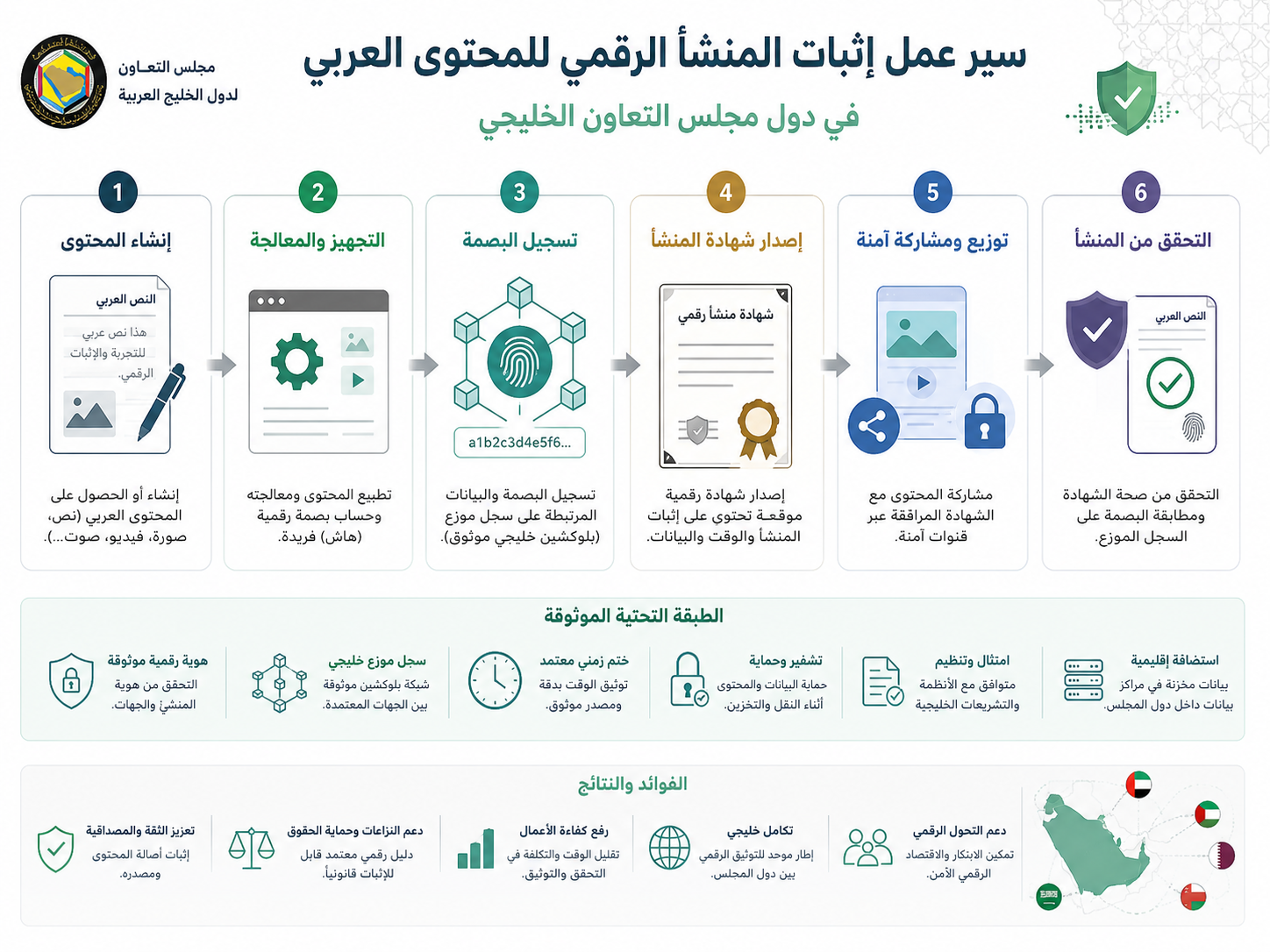
Digital provenance Arabic content helps GCC organizations prove where Arabic media came from, how it was edited, and whether it can be trusted. For Saudi, UAE, and Qatar teams, it creates a practical trust layer against deepfakes, fake screenshots, AI-generated videos, and synthetic executive statements.
Why GCC Teams Need Digital Provenance Arabic Content
Arabic media trust has become a serious business risk.
In Riyadh, Dubai, Abu Dhabi, Doha, and Jeddah, one fake Arabic video, edited screenshot, or synthetic voice note can damage a brand before the official team has time to respond. That is why digital provenance Arabic content is moving from a technical concern to a board-level priority.
A Riyadh fintech may face an impersonated CEO video. A Dubai e-commerce brand may see a fake refund announcement. A Doha broadcaster may receive a viral Arabic clip before its source is clear.
Provenance does not remove every risk. It gives teams a better way to pause, verify, and respond with evidence.
What Is Digital Provenance for Arabic Content?
Digital provenance records the origin, edit history, approvals, and technical signals behind a file.
Basic verification asks, “Is this image or video real?”
Provenance goes further and asks.
Who created it?
Where did it come from?
What changed before publishing?
Who approved it?
Can the chain of custody be trusted?
For GCC brands building secure web platforms, both verification and provenance matter.
Why Arabic Workflows Need Special Handling
Arabic content does not always fit neatly into English-first tools.
GCC media teams often work with right-to-left publishing, Arabic-English approvals, local dialects, metadata, WhatsApp reposts, newsroom systems, X, TikTok, Instagram, and multiple internal reviewers.
In practice, a generic tool may capture the file but miss the workflow around it. That workflow is where trust is often won or lost.
Where C2PA and Content Credentials Fit
Standards such as C2PA, cryptographic metadata, Content Credentials, and AI watermarking can support provenance by attaching trust signals to digital media.
But they are not a magic fix.
GCC organizations need a layered approach that combines technical signals, human review, legal escalation, cybersecurity checks, and clear publishing policies.
Why Saudi, UAE, and Qatar Face Higher Media Trust Risk
Saudi Arabia.
In Saudi Arabia, official announcements, Vision 2030 projects, financial communications, and executive media require strong source control.
For SAMA-regulated finance, government-linked entities, and large private-sector brands, a fake Arabic statement can quickly become a reputational, cybersecurity, and compliance issue.
UAE.
In the UAE, Dubai and Abu Dhabi brands operate in a fast-moving media environment.
Influencers, public figures, financial entities, tourism brands, and e-commerce companies are highly visible. That visibility creates opportunity, but it also increases the risk of fake announcements, synthetic videos, and manipulated campaign assets.
Qatar.
In Qatar, broadcasters, financial firms, government-linked communications, and Doha-based SMEs need fast Arabic fake-news verification.
When a suspicious video or announcement appears, provenance helps teams check source history, approval trails, and publishing confidence before the content is reshared or broadcast.
How Digital Provenance Works in a GCC Media Authenticity Workflow
Capture Provenance at Creation
Trust starts at the source.
Teams should record the creator, device, timestamp, department approval, file hash, and usage rights before the content leaves the internal system.
Mak It Solutions can support this through Python automation and audit-friendly backend workflows.
Preserve Metadata Across Publishing Channels
Metadata can disappear when content moves through CMS tools, social platforms, messaging apps, or third-party editors.
A controlled WordPress newsroom setup or digital asset management workflow helps official assets stay easier to verify.
This is especially useful for.
Executive videos
Press releases
Financial updates
Government-style announcements
Product recall or refund notices
Crisis-response statements
Verify, Escalate, and Respond During a Crisis
When a viral Arabic video appears, teams should avoid rushing into denial or confirmation.
A stronger response starts with verification.
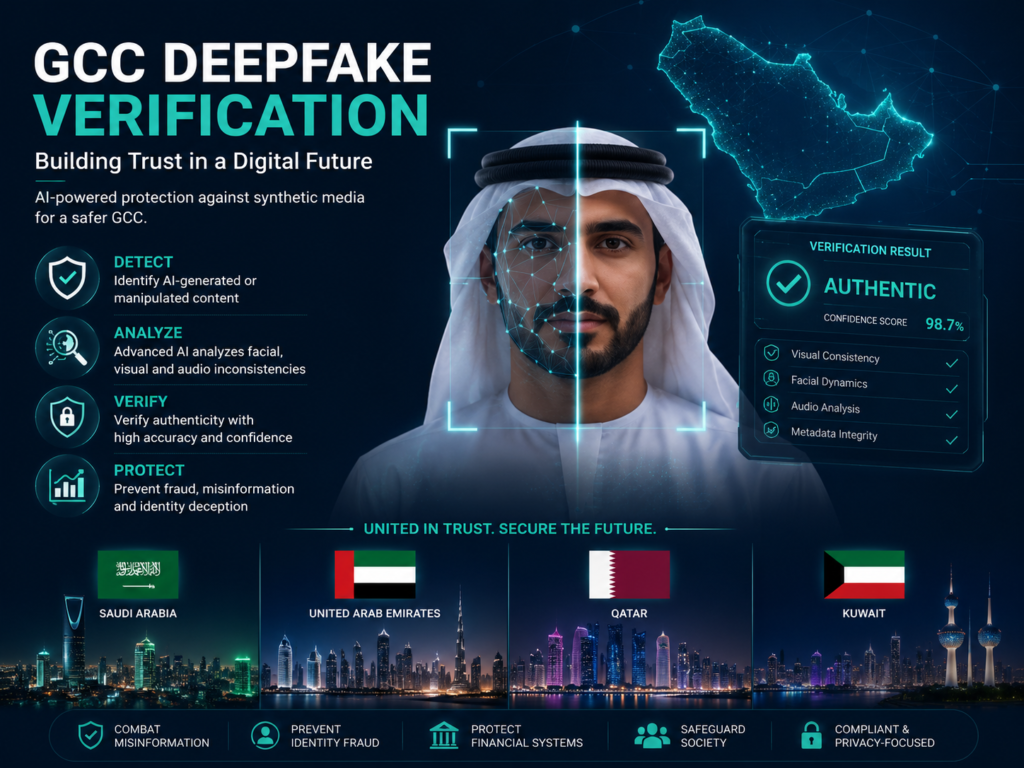
PR, cybersecurity, legal, and leadership teams should check provenance, compare the file with approved assets, review metadata, and decide whether a public statement is needed.
A business intelligence dashboard can help track verification status, source confidence, escalation owners, and response readiness.
GCC Compliance, Data Residency, and Trust Requirements
Saudi Compliance Signals
Saudi teams should align provenance workflows with cybersecurity controls, data governance, AI direction, and regionally suitable infrastructure.
For financial institutions and regulated organizations, provenance should not sit only inside the marketing department. It should connect with cybersecurity, compliance, risk, and leadership communication policies.
UAE Compliance Signals
For UAE teams, provenance connects with digital trust, UAE Pass-style identity expectations, media governance, regulated communications, and brand reputation.
Dubai and Abu Dhabi organizations should also consider how official content is approved, stored, distributed, and corrected when false versions appear online.
Qatar Compliance Signals
Qatar teams should consider digital identity trust, financial-sector expectations, cloud readiness, and secure content approval workflows.
For Doha media teams and regulated firms, the key is speed with discipline: verify quickly, document clearly, and respond only through trusted channels.
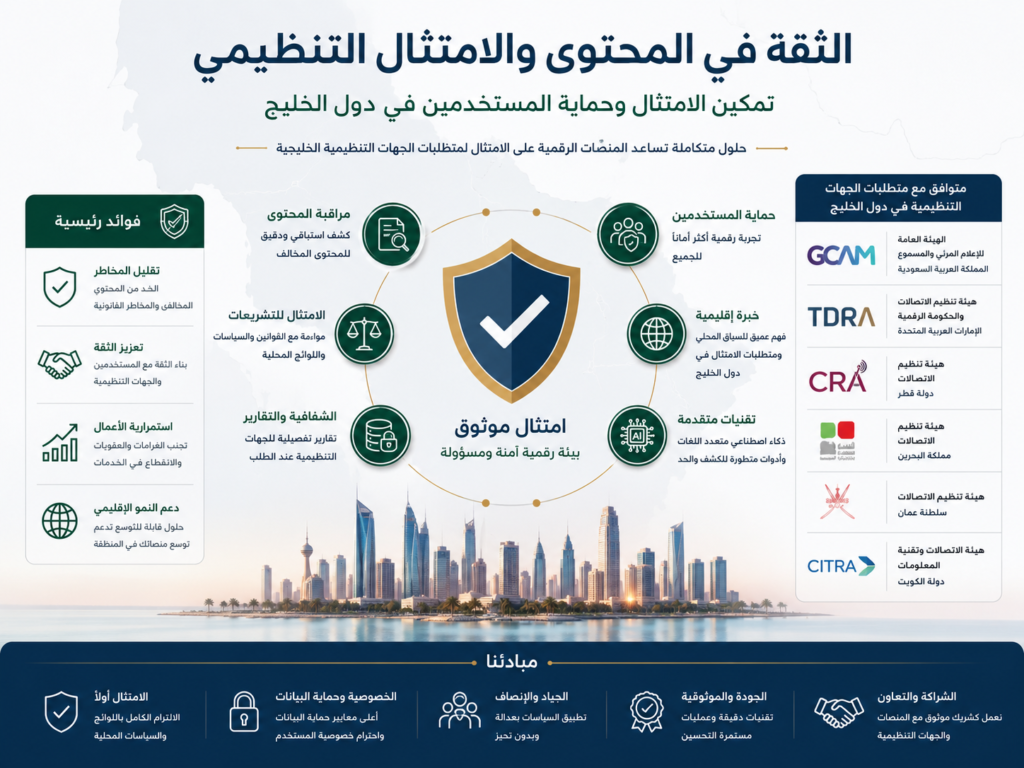
Digital Provenance vs. Deepfake Detection vs. AI Watermarking
Deepfake Detection Finds Problems After the Fact
Deepfake detection reviews an asset after it appears.
It can help spot manipulation, but false positives and missed synthetic media are still possible. Detection is useful, but it should not be the only line of defense.
Provenance Builds Trust Before and After Publishing
Digital provenance Arabic content is more proactive.
It helps teams prove which content was created, approved, edited, and published through official channels. That makes it easier to defend authentic media and challenge fake versions during a crisis.
AI Watermarking Helps, but Cannot Stand Alone
Watermarks can help identify AI-generated media, but platform support, file conversion, and metadata stripping can weaken them.
GCC teams need detection, provenance, human review, legal checks, and digital marketing response planning working together.
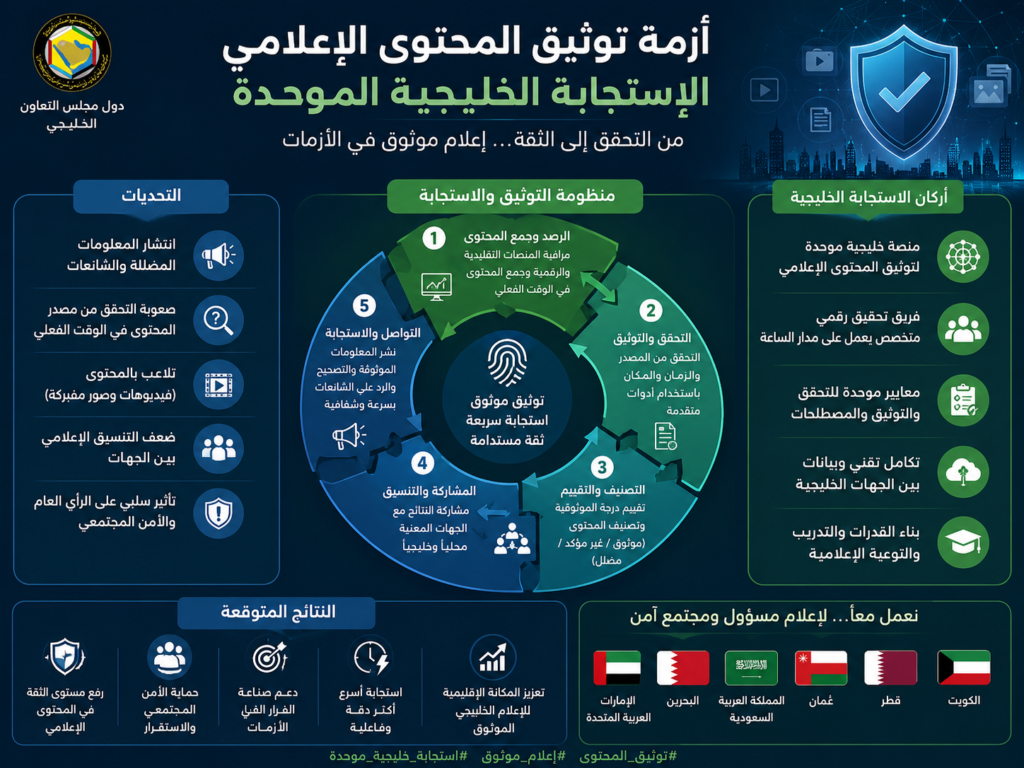
Best Practices for GCC Organizations Adopting Arabic Content Provenance
Build a Bilingual Verification Policy
Create clear Arabic-English rules for high-risk content.
This should cover executive videos, public statements, financial communications, government announcements, influencer campaigns, and crisis templates.
The policy should define.
Who can approve official Arabic content
Which assets need provenance records
How edited files are stored
What happens when metadata is missing
Who responds during a suspected deepfake incident
Choose Tools That Support Arabic UX and GCC Workflows
Look for tools that support RTL publishing, Arabic metadata, bilingual reviewers, audit logs, API integrations, and regional compliance needs.
For mobile-first teams, secure app development also matters because many approvals, alerts, and crisis updates happen on mobile.
Combine Provenance, Human Review, and Regional Fact-Checking
The strongest workflow is layered.
A Riyadh fintech can protect CEO messages. A Dubai e-commerce brand can verify campaign assets through its online store platform. A Doha SME can keep sensitive workflows closer to trusted regional infrastructure.
Technical checks matter. Human judgment still matters too.

Concluding Remarks
Digital provenance Arabic content is a trust layer, not a magic shield.
It works best when C2PA, Content Credentials, detection tools, watermarking, governance, cybersecurity, and human judgment support each other.
For Saudi, UAE, and Qatar organizations, the smartest starting point is high-risk Arabic content: executive videos, official announcements, financial updates, press releases, customer notices, and crisis-response templates.
Mak It Solutions can help GCC organizations design secure, bilingual, trust-ready content workflows for Saudi, UAE, and Qatar markets. Strengthen your verified content systems, then support them with SEO content governance so official pages can outrank fake narratives.( Click Here’s )
FAQs
Q : Do Saudi government media teams need digital provenance for Arabic announcements?
A : Yes. Saudi government and semi-government teams should treat provenance as part of public trust, especially for Arabic announcements linked to public services, major projects, or regulated sectors. Provenance helps preserve the source, timestamp, approval trail, and publishing history before content leaves the official channel.
Q : Can UAE brands use Content Credentials to protect executive videos?
A : Yes. UAE brands can use Content Credentials as one layer for executive videos, campaign assets, and public statements. For Dubai and Abu Dhabi teams, this is especially useful when leadership clips are reposted by influencers, media pages, or unofficial accounts.
Q : How can Qatar media organizations verify Arabic fake news before publishing?
A : Qatar media teams should check provenance, source history, original upload context, metadata, and trusted internal approvals before broadcast or republication. Suspicious financial or government-linked announcements should also be treated as potential fraud or cybersecurity risks.
Q : Does digital provenance help GCC fintech companies reduce impersonation risk?
A : Yes. GCC fintech companies can use provenance to reduce CEO impersonation, fake customer warnings, false investment claims, and synthetic support messages. It also supports audit trails, internal accountability, and faster customer reassurance when fake Arabic content spreads.
Q : What should Dubai PR teams do when an AI-generated Arabic video goes viral?
A : Dubai PR teams should preserve the viral file, compare it with approved source assets, review metadata, involve cybersecurity and legal teams, and prepare a verified public statement. The response should be calm, evidence-led, and published through official channels.