


Closing the Cybersecurity Talent Gap in MENA for GCC
Closing the Cybersecurity Talent Gap in MENA for GCC
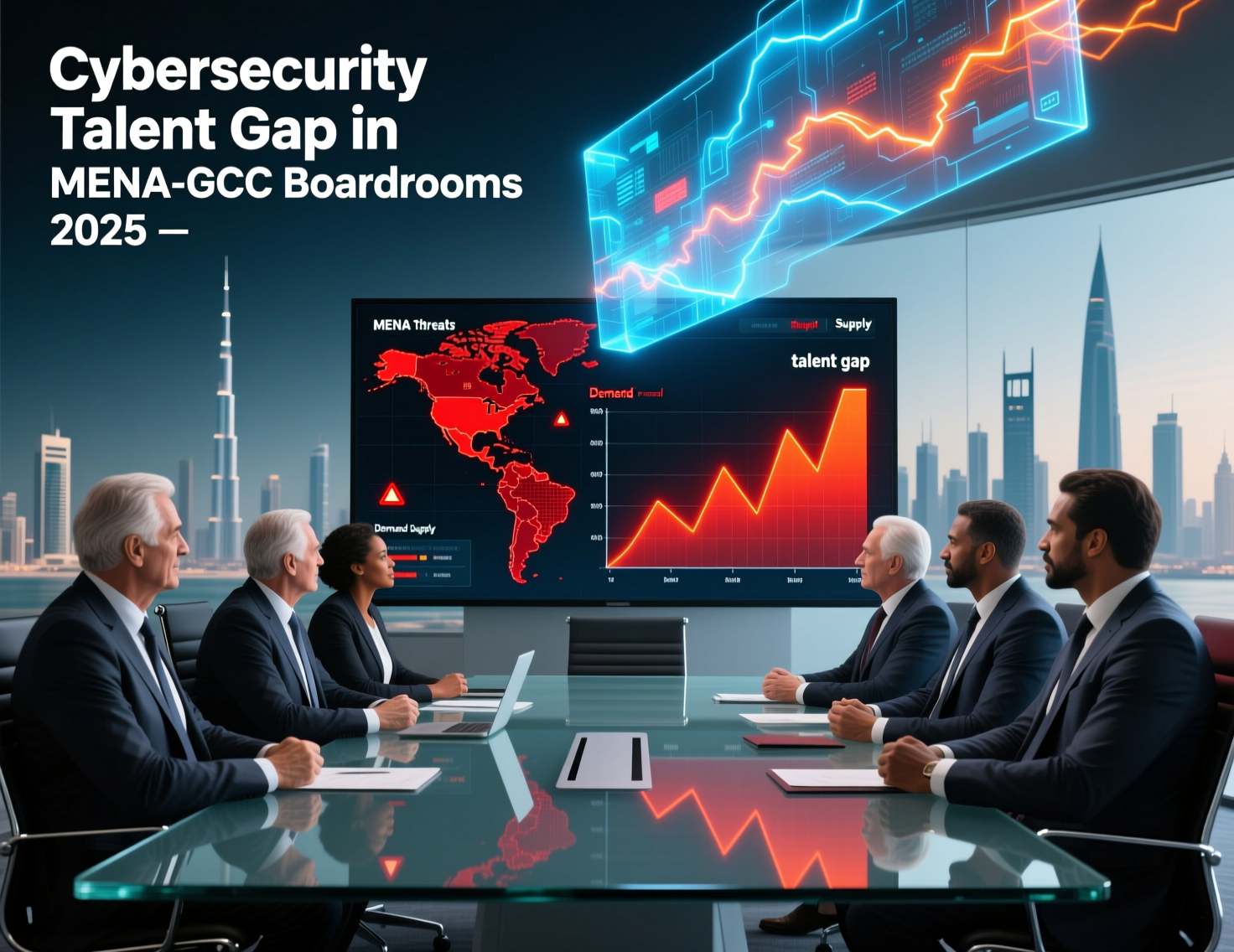
Cybersecurity Talent Gap in MENA: GCC Wake-Up Call
The cybersecurity talent gap in MENA is the growing mismatch between the number of cyber roles organisations need to fill and the availability of skilled professionals, especially in Saudi Arabia, the UAE and Qatar. For GCC governments, banks, fintechs and energy companies, this gap translates directly into higher breach risk, regulatory exposure and slower digital transformation unless they invest in local, Arabic-speaking cybersecurity and ethical hacking talent.
Introduction
GCC organisations are pouring budget into cloud, Open Banking, super-apps and smart cities, yet the cybersecurity talent gap in MENA keeps widening. Globally, studies estimate a shortage of roughly 2.8–4 million cyber professionals, and developing regions like MENA feel the crunch most. For leaders in Riyadh, Dubai, Abu Dhabi, Doha, Kuwait City, Manama and Muscat, this is no longer a niche HR issue; it is a strategic risk that touches every digital initiative.
To keep up, GCC boards need a clear view of the problem, a realistic stance on expatriate experts, and a serious plan to grow their own “white-hat” hackers and cyber defenders.
What Is the Cybersecurity Talent Gap in MENA and Why It Matters for GCC?
How big is the cybersecurity skills shortage in MENA vs. global markets?
Globally, research shows most organisations report cybersecurity skills gaps, and over 80% have suffered breaches linked to lack of skills. In MENA, the picture is harsher: fast digitalisation, ambitious national visions and a young population mean demand grows faster than the pool of qualified people, especially in cloud security, application security and penetration testing careers in the Middle East.
Why the cybersecurity talent gap is a board-level risk for Saudi, UAE and Qatar organisations
For GCC banks, fintechs, logistics players and government entities, the skills gap shows up as:
Longer detection and response times
Misconfigured cloud platforms and exposed APIs
Fragile incident response and crisis communication
In Fortinet’s 2025 study, 86% of organisations reported at least one breach linked to cyber skills gaps. For a Saudi bank under SAMA rules or a Dubai fintech in DIFC, that means potential fines, downtime, reputational damage and delays to Open Banking or super-app launches.
What the “cybersecurity talent gap in MENA” really means for GCC sectors
On the ground, the gap looks like not enough SOC analysts in Riyadh, too few cloud security engineers in Dubai, and limited OT security talent to protect LNG terminals and pipelines in Qatar and Oman. Energy remains one of the most targeted sectors in the GCC, with nearly half of attacks hitting energy companies. As cyber security workforce development lags, national visions and smart-city ambitions become harder and riskier to execute.
Root Causes of the Cybersecurity Skills Shortage in GCC
Education and certification gaps for Saudi, UAE and Qatar students
Universities in KSA, UAE and Qatar have expanded cyber-related degrees, but curricula often lag behind real-world needs such as cloud-native security, API testing, threat hunting and red teaming. Many students still graduate without exposure to CTFs, real logs or ethical hacking training programs, and professional certifications remain expensive and hard to access for young nationals, especially outside major cities.
Reliance on expatriate cyber talent and its limits
Riyadh, Dubai and Doha still rely heavily on expatriate CISOs, architects and senior SOC leaders. This has accelerated early-stage transformation but creates churn risk as visas, family decisions and competing offers from Europe or Singapore pull people away. As Saudi Vision 2030 and Emiratisation/Qatarisation targets tighten, the old model of “just hire expats” no longer fits long-term national strategies.
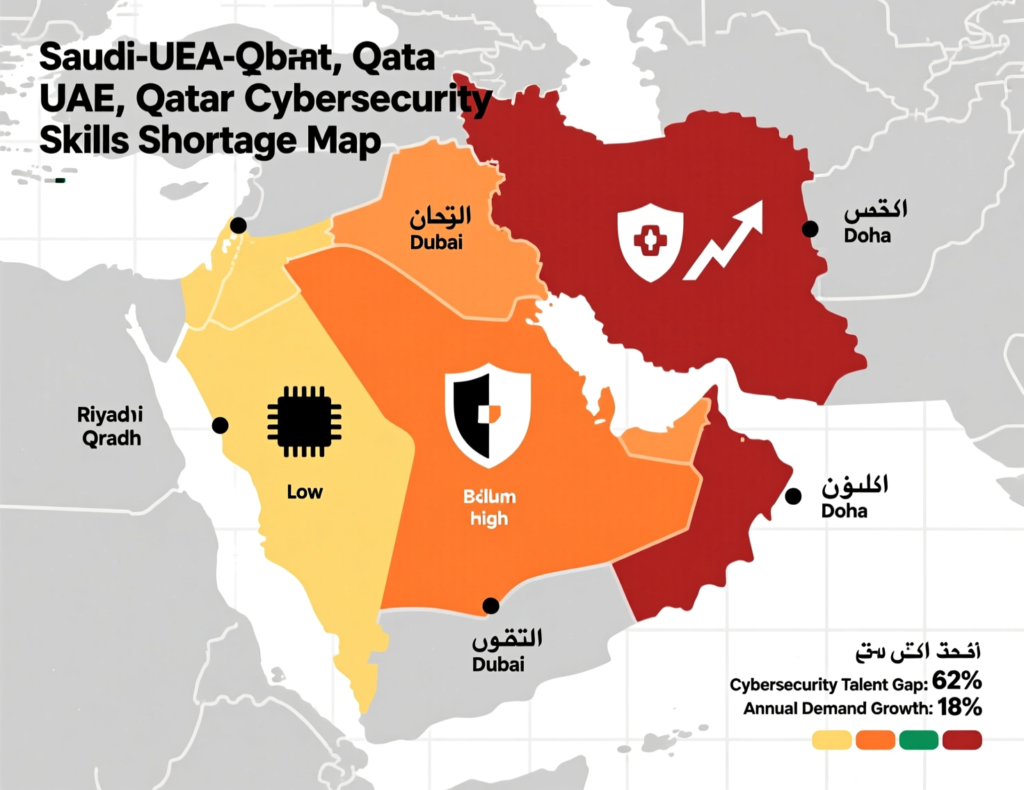
Regulatory pressure, data residency and cloud adoption outpacing local skills
SAMA, NCA/NDMO, TDRA and QCB have all raised the bar on cyber controls, outsourcing, data residency and cloud risk. At the same time, GCC organisations are rushing into AWS Bahrain, Azure UAE Central and GCP Doha for agility. The result is more compliance obligations and more complex cloud environments than current local cyber education and skills in MENA can comfortably support.
Country Snapshots Saudi Arabia, UAE and Qatar Cyber Talent Shortages
Vision 2030, SAMA and NCA/NDMO driving demand
Saudi Arabia is positioning itself as a global cybersecurity hub and has already invested heavily in capacity-building and national cyber initiatives. Yet the cybersecurity talent gap in Saudi Arabia remains significant, especially for banks, fintechs and government agencies in Riyadh and Jeddah implementing NCA, NDMO and Open Banking frameworks. Demand spans SOC operations, Red Teaming, cloud security and GRC roles.
Dubai and Abu Dhabi as cyber hubs for GCC
Dubai and Abu Dhabi host regional HQs, ADGM/DIFC-regulated fintechs and digital government platforms like UAE Pass. This makes the UAE a magnet for talent but also intensifies demand for application security engineers, cloud security specialists and Red Teamers who understand both TDRA rules and international standards. Competition for skilled people is particularly fierce across financial services, aviation, logistics and large-scale web and app platforms.
Cybersecurity talent needs in Doha’s energy and critical infrastructure sectors
Qatar’s cyber market is forecast to grow strongly, with demand surging across energy, banking and healthcare. Estimates suggest roughly 1,600 cybersecurity experts currently operate in Qatar, while future demand could exceed 3,200. For organisations running LNG, stadium, transport and smart-city infrastructure in Doha, this shortage is a direct resilience risk, especially when major events or new mega-projects go live.
The Missing White-Hat Hacker Pipeline in MENA
Demand for ethical hackers and penetration testers in GCC
As Open Banking APIs, digital IDs and omni-channel apps expand, GCC banks, fintechs and governments need more ethical hackers and penetration testers to stress-test systems before attackers do. Demand is especially high for Arabic-speaking testers who can assess local mobile apps, Arabic UIs and citizen portals and who understand cultural nuances, local fraud patterns and regional regulations.
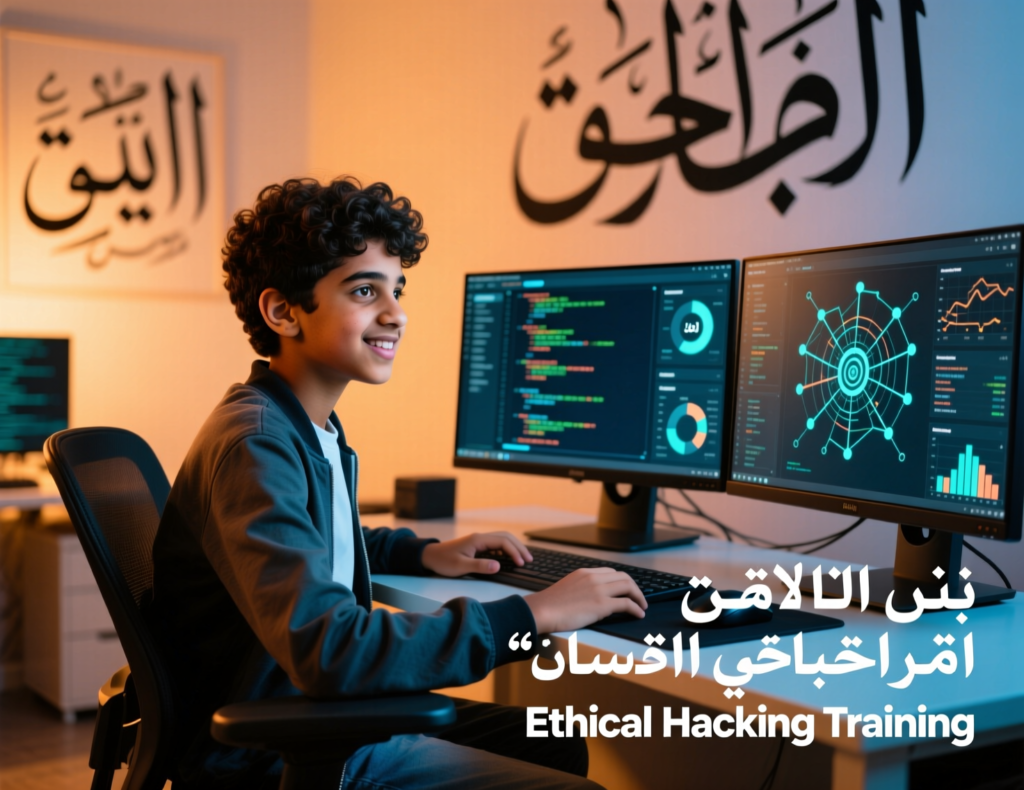
Why Arabic-language cyber education and certifications are critical for GCC youth
If we want more GCC nationals in cyber, we must make cybersecurity training and certifications accessible in Arabic, not just English. Clear Arabic explanations of concepts, exam prep and labs lower the barrier for high-school and university students, particularly outside capital cities, and turn “cyber” from scary jargon into a realistic career. That’s why a UAE-based ethical hacking course with Arabic support or Saudi/Qatari academies teaching in Arabic can shift thousands of young people into security roles.
Role of CTFs, bug bounty programs and cyber ranges in Saudi, UAE and Qatar
Capture the Flag events, university CTF leagues, bug bounty platforms and national cyber ranges are the real entry points into white-hat work. They give students in Riyadh, Dubai and Doha a safe way to break things, learn offensive techniques and showcase skills to employers and regulators. For many young people, a CTF medal, GitHub portfolio or bug bounty track record speaks louder than a traditional CV.
How GCC Organisations Can Build a Local Pipeline of Ethical Hackers
Roadmap to grow in-house ethical hacker talent in Saudi and UAE
Define roles and competencies
Map clear Red Team, SOC, cloud and application security roles aligned with SAMA, NCA and TDRA expectations and your own risk appetite.
Partner with universities and a GCC cyber academy for young talents –
Co-design modules, sponsor CTFs and offer internships that lead into real security teams.
Launch an internal cyber academy
Use your own apps, APIs and cloud accounts as hands-on labs, supported by partners like Mak It Solutions and your existing services stack.
Sponsor certifications and language support
Fund key certs while providing Arabic study groups, mentoring and time to prepare and pass.
Create junior SOC/Red Team tracks
Build structured rotations so nationals can move from L1 monitoring to advanced offensive and defensive roles.
This roadmap works even better when tied to digital projects like new web development initiatives, mobile apps and e-commerce platforms, where security can be embedded from day one instead of bolted on later.
Working legally and safely with ethical hackers and bug bounty hunters in GCC
GCC companies can work safely with ethical hackers by defining a clear legal scope: written rules of engagement, NDAs, documented testing windows and strict data-residency controls. For regulated sectors under SAMA, TDRA, ADGM/DIFC or QCB, this means aligning testing with supervisory guidelines, ensuring data stays within approved cloud regions, and integrating bug bounty findings into formal risk registers. TDRA’s own cyber awareness and youth initiatives show regulators increasingly support constructive, skills-building approaches to security.
When to partner with managed security providers and cyber academies
If your current team is too small or too busy with operations, it makes sense to partner with managed security providers (MSSPs) and training partners in Riyadh, Dubai or Doha. A partner like Mak It Solutions can help design secure architectures for large web platforms, e-commerce stacks and content-heavy sites, while also supporting internal academies, labs and security automation.
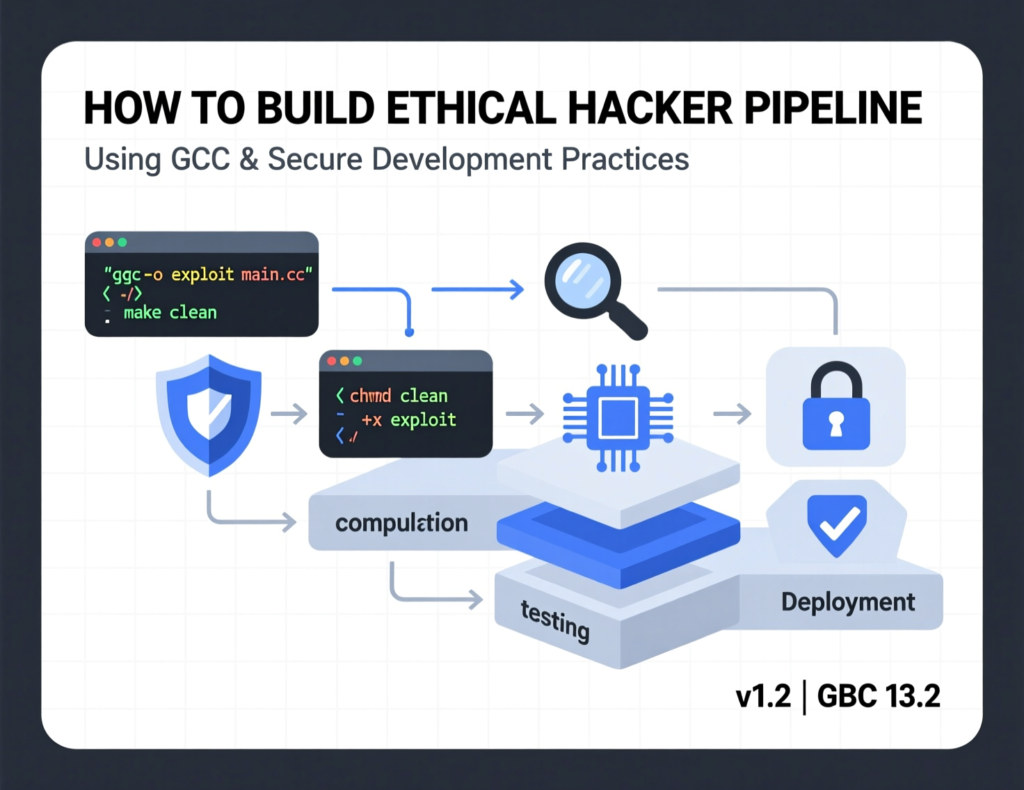
Government and Ecosystem Initiatives Supporting Cybersecurity Careers in GCC
National cyber academies, scholarships and bootcamps
Across KSA, UAE and Qatar, governments are rolling out scholarships, bootcamps and “cyber sniper”–style initiatives to upskill citizens for high-value cyber roles. These connect directly to Vision 2030, UAE’s digital government strategy and Qatar’s smart nation ambitions, and give young nationals a structured path into SOC, engineering and ethical hacking roles.
How regulators indirectly shape the cyber skills market
When SAMA, TDRA or QCB issue new outsourcing or cloud circulars, they are also shaping workforce demand. Every new control requirement from threat intelligence to secure coding – forces organisations to hire or retrain people, boosting demand for cybersecurity awareness and capacity-building programmes. For GCC leaders, regulatory change should be treated as both a compliance challenge and a workforce planning signal.
Collaborations between universities, free zones and industry
We are seeing more tri-partite collaborations: ADGM- and DIFC-based fintechs partnering with universities and specialist providers to build cyber labs and internship pipelines. For students, this creates a direct bridge from classroom to SOC, Red Team or security architecture roles and keeps skills aligned with the technologies actually used in the region.
Best Practices for Closing the Cybersecurity Talent Gap in MENA
Designing Arabic-friendly, inclusive cyber career paths for GCC nationals
Career paths must be visible, stable and family-approved: clear job titles, growth routes and mentorship for Saudi, Emirati and Qatari nationals, plus flexible entry via apprenticeships and part-time study. Arabic learning content, local success stories and role models matter as much as tools and platforms.
Balancing expatriate expertise with local capability-building
The pragmatic model for the next decade is “expat plus local”: bring in experienced architects and CISOs to stabilise environments while building strong junior and mid-level national teams beneath them. This mix is just as relevant for government platforms, e-commerce builds using modern stacks like those covered in Mak It’s WordPress vs Webflow vs Wix guide, and complex cloud-native apps discussed in their server-side vs static generation analysis.
How GCC CISOs, HR and universities can partner on a long-term cyber workforce strategy
CISOs, HR and academic leaders should jointly set 5–10 year workforce targets aligned to national strategies and board risk appetite. That includes:
Mapping skills and headcount to real projects (e.g., new Shopify or WooCommerce commerce builds)
Agreeing on scholarship, internship and apprenticeship volumes each year
Using data from audits, incidents and indexing controls to adjust training and hiring plans
Done well, this turns the cybersecurity talent gap in MENA from a vague concern into a measurable, trackable programme.
Realistically, the cybersecurity talent gap in MENA will not disappear in a year or two but your risk can drop quickly if you start now. In the next 6–12 months, GCC organisations can map their cyber roles, launch or join a GCC cyber academy, align with regulators, and start building a small but powerful internal ethical hacking capability. The earlier you move, the easier it is to protect your digital programmes, support national visions and stay ahead of attackers.

If you’re a CISO, HR leader or founder in Riyadh, Dubai, Abu Dhabi, Doha, Kuwait, Bahrain or Oman, you don’t have to solve this alone. Mak It Solutions can help you map your current cyber workforce, design practical talent roadmaps, and align security capability with your web, app and e-commerce projects. Explore our core IT and development services and get in touch to discuss a tailored GCC cybersecurity workforce strategy for your organisation.
FAQs
Q : Is cybersecurity a good long-term career path for Saudi youth under Vision 2030?
A : Yes, cybersecurity is one of the most attractive and resilient career paths for Saudi youth under Vision 2030. The Kingdom is investing heavily in digital government, fintech, AI and smart cities, which all require strong security teams. National initiatives led by the National Cybersecurity Authority (NCA) and other agencies are creating scholarships, academies and entry-level roles specifically for Saudi nationals. As more services move online, demand for analysts, engineers and ethical hackers will grow for many years, not just in Riyadh but across the country.
Q : Are ethical hackers and bug bounty hunters legally recognised in the UAE and other GCC countries?
A : Ethical hackers and bug bounty hunters are increasingly recognised in GCC policy discussions, but they must operate within clear legal frameworks. In the UAE, TDRA and other authorities support cyber awareness and skills-building programmes, and many organisations now run vulnerability disclosure or private bug bounty programmes with strict NDAs and defined scopes. Similar trends are emerging in Saudi Arabia and Qatar as regulators modernise cyber and data laws. To stay safe, researchers should always obtain written permission before testing and respect local regulations ([TDRA][8]).
Q : What entry-level cybersecurity roles are available in Riyadh, Dubai or Doha for fresh graduates?
A : Fresh graduates in Riyadh, Dubai and Doha typically start in roles such as SOC analyst (L1), incident response analyst, vulnerability management analyst or junior GRC/compliance officer. Many organisations also offer trainee roles in secure software development and cloud security, especially around major government and financial platforms. Graduates can strengthen their profiles by joining CTFs, completing internships and earning foundational certifications. National programmes linked to Vision 2030, TDRA initiatives and Qatar’s digital government strategy often give citizens priority access to these entry points.
Q : Do GCC banks regulated by SAMA, TDRA or QCB require specific cyber certifications for staff?
A : Regulators like SAMA, TDRA and QCB rarely mandate one specific brand of certification, but they do expect banks and financial institutions to employ staff with appropriate, proven competencies for their roles. In practice, this often means a mix of vendor-neutral certifications for risk, governance and technical skills, alongside product-specific accreditations for core systems. Internal and external auditors frequently assess whether cyber teams are sufficiently qualified to manage the risks described in regulatory frameworks. Banks that invest in structured certification paths for nationals are better positioned to meet supervisors’ expectations and reduce outsourcing dependence.
Q : Can GCC companies work with remote ethical hackers outside the region while still meeting data residency rules?
A : Yes, it is possible to work with remote ethical hackers and still comply with data residency rules, but it needs careful design. GCC companies should ensure that live data never leaves approved regions and that testers access only masked or synthetic data whenever possible. For highly regulated sectors under SAMA, TDRA or QCB, this usually means using secure VPNs, time-bound access, hardened jump hosts and clear contractual clauses that enforce data-location and privacy obligations. Many organisations combine remote researchers with in-region partners to balance global expertise and local regulatory assurance.