


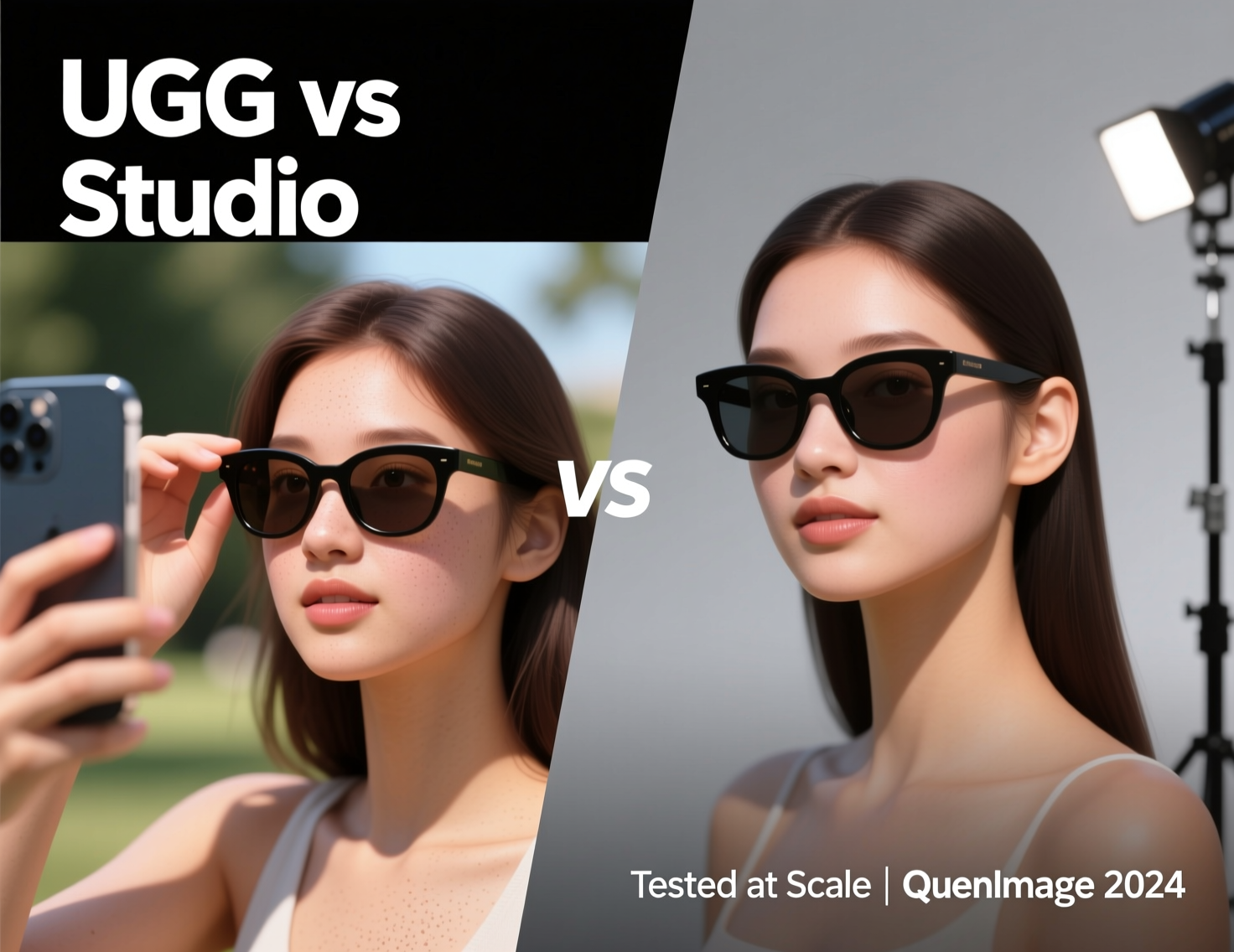
Creative Testing at Scale
If your customer acquisition costs are creeping up, the fastest unlock isn’t another audience tweak—it’s creative testing at scale. Platforms automate bidding and targeting; what’s left is creative. Today, marketers debate UGC vs studio content: lightweight, relatable user-generated videos versus polished, professional shoots. The truth is you don’t need to pick a side. You need a creative testing at scale framework that identifies the right creative for the right job, validates it with statistically sound tests, and scales winners across channels—without burning time or budget. Recent research backs both sides: UGC can feel more authentic and convert in feed, while premium, long-form placements can deliver stronger recall for brand building. The play is to test both, learn fast, and allocate spend where proof not opinion wins.
What is creative testing at scale?
Creative testing at scale is a repeatable process to generate, launch, and learn from many creative variations quickly—so you can double down on winners and retire losers with confidence. Elements to test include hooks, formats (short verticals, carousels, statics), CTAs, captions, UGC vs studio treatments, and value props. Tools like Google’s asset reporting and Ad Strength help quantify which assets contribute to performance so your team can iterate deliberately, not guess. Google Business
UGC vs Studio: strengths, risks, and where each shines
UGC (User-Generated Content) strengths
Authenticity, speed, lower unit cost, social proof, high feed-native engagement. Risks: variable quality, IP/usage rights, creator management. Definitions and best practices are well-established in industry literature.Studio strengths
Controlled quality, brand consistency, strong storytelling, better for evergreen and premium placements (CTV, YouTube long-form, landing page heroes). Risks: higher cost, longer timelines. Studies tied to premium environments show higher unaided recall than UGC contexts in some scenarios (+58%), useful for brand lifts.
Bottom line
In direct-response feeds (Meta/TikTok), UGC often wins. For top-of-funnel brand building (CTV/long-form), studio can win. Your creative testing at scale program should assume both are essential—tested and allocated by objective.
Evidence: when UGC wins
Trust and relatability
Major marketing references describe UGC as content made by people rather than brands—perceived as more authentic and often more persuasive in social feeds.Case snapshot
SportingSmiles (SEMrush write-up) ran customer-centric UGC ads on Facebook and saw ~20% more clicks and more conversions than other ad types illustrating why UGC can outperform in scroll-stopping environments.TikTok study
A 2024 analysis of 881 posts across 10 fashion brands examined how branded UGC performs on TikTok—relevant where short-form social credibility matters. Results underscore that UGC can be highly effective when aligned to platform norms.
Evidence: when Studio wins
Premium recall
Comcast/FreeWheel research shows ads in premium, long-form environments deliver ~58% higher unaided recall versus non-premium/UGC contexts. This favors studio-grade creative for upper-funnel TV/CTV/long-form YouTube.Strategic fit
Deloitte’s 2025 Digital Media Trends notes ongoing convergence: studios adopt platform-native tactics while platforms lean into premium storytelling—hinting at a both/and future.
Cost, speed & scalability: creative testing at scale trade-offs
UGC
Fast to produce (days), low–mid cost per asset, high volume throughput for multivariate testing.Studio
Longer lead times (weeks), higher per-asset cost, but stronger control and reusability across channels and PR.
Use a portfolio approach: 60–70% UGC to probe angles and hooks quickly; 30–40% studio to build durable “brand pillars” you can re-cut for premium placements. (Adjust by industry and AOV.)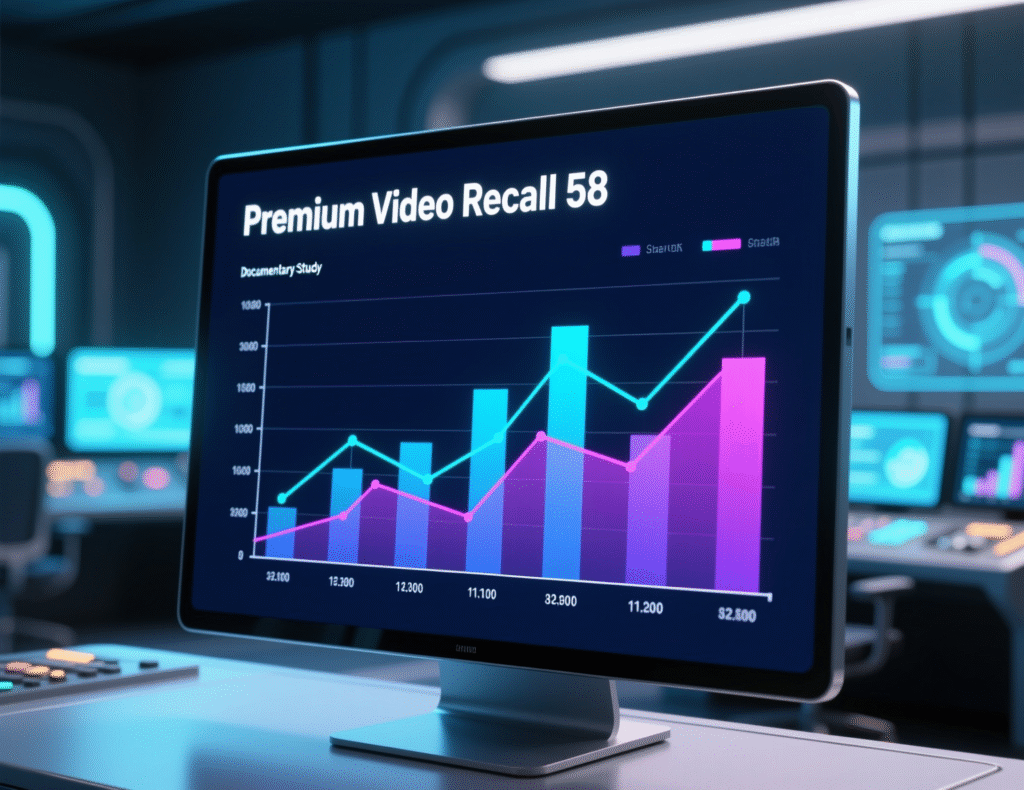
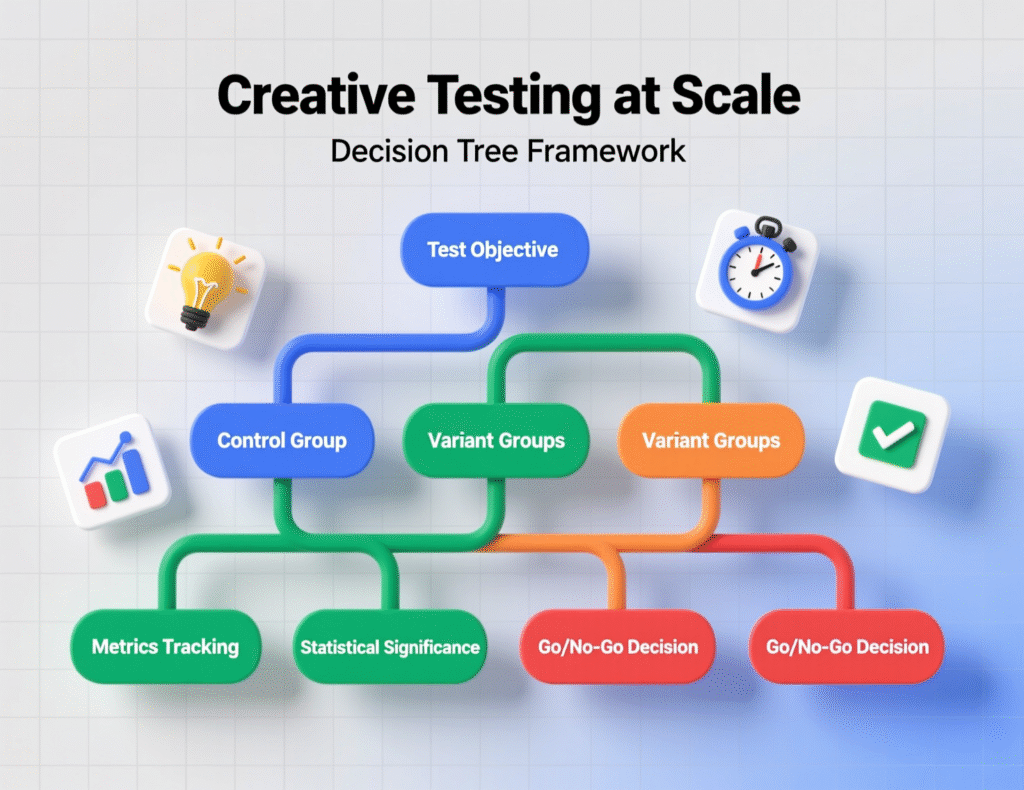
A simple decision tree (UGC vs Studio)
Goal = conversions in feed / lower CAC quickly? → Start UGC.
Goal = brand lift / new market launch / TV or YouTube? → Start Studio.
Goal = evergreen landing page video or retail buyer decks? → Studio first, then UGC variants to localize and refresh.
Unsure? → Split test UGC vs studio variations of the same concept; scale the winner channel-by-channel.
How to build creative testing at scale (a 7-step “How-To”)
Define the question
Example: “Does a testimonial (UGC) beat a product demo (studio) for first-purchase CVR?”
Set KPIs & MDE
Pick 1–2 north stars (e.g., CPA, CVR). Decide your minimum detectable effect (e.g., +12% CVR).
Isolate variables
When testing creatives, keep audience, placement, and budget constant. Change one variable at a time.
Generate volume
Aim for 8–12 ads per concept: 5–8 UGC (different hooks/creators) + 3–4 studio (cuts/CTAs).
Launch with structure.
Group like-for-like formats so spend doesn’t skew (e.g., Reels vs statics).
Measure contribution
Use platform asset reports (Ad Strength, asset-level breakdown) to see which components are pulling weight.
Iterate fast
Kill losers in 48–96 hours (spend dependent). Scale winners vertically (budget) and horizontally (new audiences/markets).
Channels & placements: where tests behave differently
Meta
Hook + first 3 seconds matter. Many practitioners report better control with manual creative rotation after initial discovery use DCO to learn, then fix winners.Google
Responsive formats + asset ratings guide iteration; pair copy testing with visual variants in Performance Max/YT action.TikTok
Native UGC style works; trend-aware hooks and community cues drive completion rates. The 2024 TikTok UGC brand study provides directional evidence.CTV/YouTube long-form
Favor studio for premium recall; re-cut UGC as bumpers or companion short-form.
Real-world examples (brief)
DTC accessories brand (pattern)
Swapped studio demo for 3 UGC testimonials focusing on social proof and unboxing. Result: faster thumb-stop and higher CTR; aligns with broader industry observations around UGC authenticity.Brand lift campaign (CTV)
30-sec studio spot in premium inventory outperformed social cutdowns on unaided recall (+58% advantage seen in external research), then fed remarketing with UGC.
Naming conventions & asset hygiene for creative testing at scale
Ad names should encode Concept_Type_Hook_Creator/Format_Date (e.g., ValueProp-UGC-“NoMoreSpills”-CreatorA-Reel-2025-10-03). Keep a central sheet: concept, hypothesis, KPI, launch date, spend to significance, winner/loser call, reasons.
Measurement stack & governance
Dashboards
Channel dashboards (Meta, Google) + a master testing tracker.Decision cadence
2x weekly test review; monthly creative council to turn learnings into briefs.Guardrails
Min spend per ad to reach a decision; clear stop/go criteria; asset rights (usage duration, whitelisting).
30–60–90 day creative testing at scale plan
Days 1–30
Audit creative library; identify 3–5 concepts; produce 12–18 UGC variations + 6–8 studio re-cuts; implement naming and tracker; launch.Days 31–60
Kill bottom 50%; scale top quartile; introduce 1 new concept/week; expand creators; port winners cross-channel.Days 61–90
Formalize playbook; build evergreen studio set (brand pillars); install quarterly testing roadmap by funnel stage.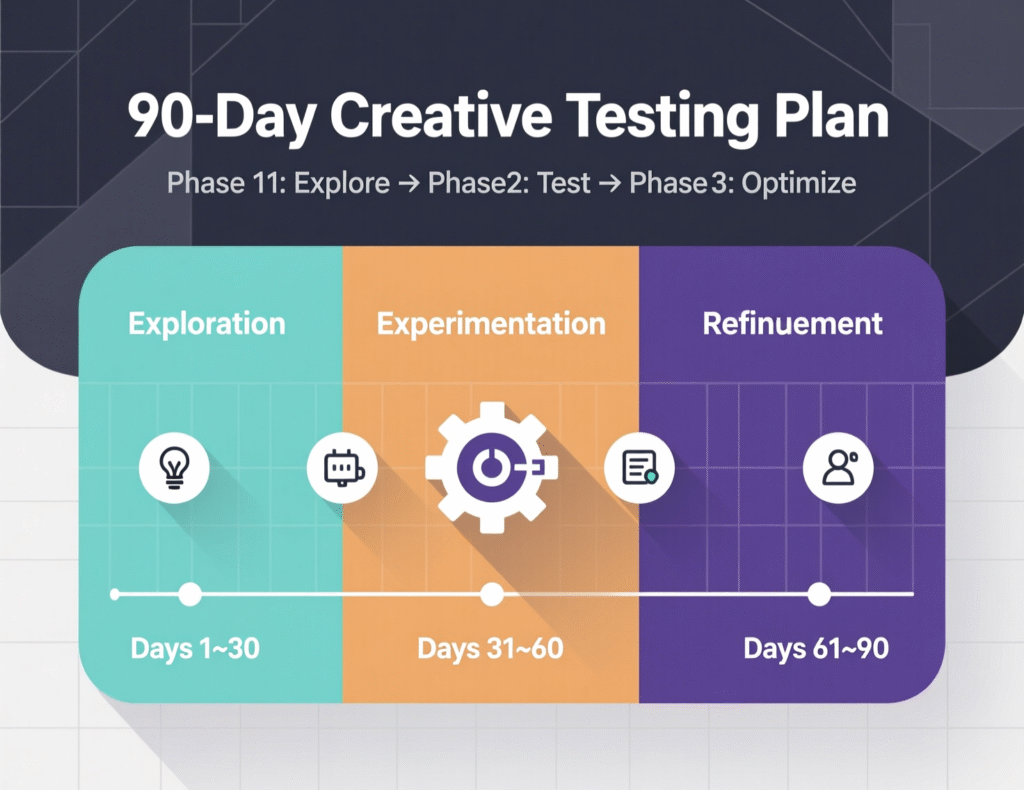
Last Words
Creative testing at scale isn’t a UGC-vs-studio culture war it’s portfolio management. Use UGC to explore ideas quickly and lower CAC in feeds; use studio to cement brand memory and premium placements. The winners are brands that systematize ideation, testing, and iteration, then allocate spend by proof. Want a ready-to-ship testing roadmap (brief templates, naming conventions, and 90-day plan) tailored to your stack? Book a working session and we’ll set up your creative testing at scale program in one sprint.
FAQs
Q : How do I decide between UGC and studio for a new campaign?
A : Start from the goal. If you need quick conversions in feed, UGC usually tests faster and cheaper. If you need brand lift or premium placements (CTV/YouTube long-form), studio often wins. Split-test both with one variable at a time.
Q : How many variations do I need for creative testing at scale?
A : Per concept, aim for 8–12 ads (5–8 UGC + 3–4 studio cuts). This provides enough diversity to discover winning hooks without overwhelming spend.
Q : How long should I run a test before calling a winner?
A : 48–96 hours for social, depending on budget and volume. Use stable KPIs (CPA/CVR) and set a minimum detectable effect (e.g., +10–15%) before launch.
Q : How can I avoid algorithm bias when testing?
A : Group similar formats together (e.g., Reels vs statics) and avoid mixing catalogs with single videos in the same ad set so spend isn’t skewed.
Q : How do I keep UGC quality consistent?
A : Provide tight briefs, shot lists, example hooks, usage rights, and editing guidelines. Maintain a vetted creator bench and standardize reviews.
Q : How does studio content fit into performance marketing?
A : Use studio for evergreen narratives and premium distribution (CTV, YouTube). Re-cut into shorter assets for retargeting, then test UGC variants to refresh.
Q : How can I measure asset-level impact?
A : Use platform asset reporting (Google Ad Strength/asset contribution; Meta breakdowns). Track concepts, not just ads, and codify learnings into new briefs.
Q : How can AI help with creative testing at scale?
A : AI tools can generate variations (hooks, visuals), speed editing, and summarize asset performance shrinking cycle times from weeks to days per Google’s marketing insights.
Q : How do I handle rights/usage for UGC?
A : Always secure written permission and specify usage windows, whitelisting, and paid usage. Keep a rights log per asset.