
Green Technology in the Middle East: Saudi & UAE Now
Green Technology in the Middle East: Saudi & UAE Now
Green Technology in the Middle East: Saudi & UAE Now
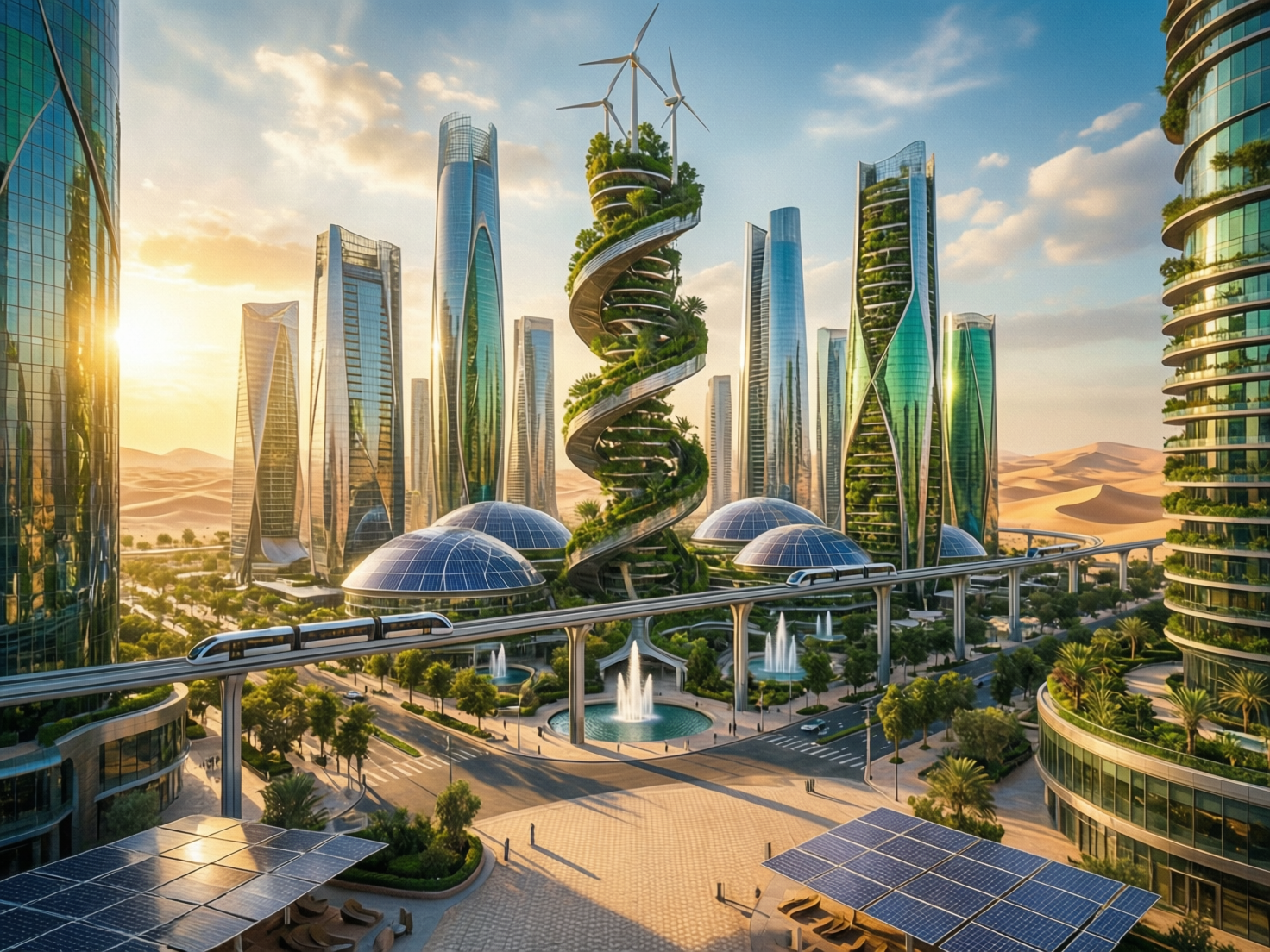
Green technology in the Middle East means using renewables, efficient data centers, smart cities and climate tech solutions in the Gulf to cut emissions while growing the digital economy. In Saudi Arabia, the UAE and Qatar, tech companies are aligning with national net zero strategies, shifting workloads to greener cloud regions and using AI to reduce energy use across apps, offices and smart infrastructure.
Introduction
For decades, the region was defined by oil, not “green”. Today, Riyadh, Dubai and Doha are racing to turn that same capital into world-scale green technology in the Middle East from giga-projects like NEOM to smart districts in Lusail.
GCC tech firms feel the pressure: rising cooling costs, extreme heat, stricter ESG rules, data residency laws, plus investor questions in every funding round. Boards in fintech, SaaS, telecom and logistics now ask not only “Are we compliant?” but “Are we sustainable and still fast?”
In practical terms, green technology in the Middle East means renewable energy, water and agri-tech, sustainable buildings, green mobility and low-carbon digital infrastructure. The main investment is flowing into solar and wind, smart cities and greener cloud/data centers. For a GCC tech company, a realistic roadmap starts with measuring energy use, optimizing infrastructure (especially data centers and cloud), then partnering with regional startups, funds and regulators to scale climate tech projects.
What Is Green Technology in the Middle East?
From Fossil-Fuel Economies to Climate Tech Solutions in the Gulf
Saudi Arabia, the UAE and Qatar are reframing hydrocarbon wealth into large-scale climate tech. Saudi’s Green Initiative commits the Kingdom to net zero by 2060 and billions in green projects under Vision 2030. The UAE’s Net Zero 2050 strategy uses decarbonisation as an innovation driver, not just a compliance box. Qatar National Vision 2030 balances growth with environmental protection, turning Doha into a climate-smart testbed.
Core Pillars of Green Technology for GCC Markets
In the Gulf, climate tech solutions cluster around renewable energy innovation for desert climates (utility-scale solar, wind and storage), advanced water and agri-tech, green buildings and smart cooling, low-carbon transport, and sustainable digital infrastructure data centers, cloud regions and software designed to cut energy per transaction. For many tech firms, this starts where Mak It Solutions already works every day: web platforms, mobile apps and analytics that can be architected for lower energy use, not just speed.
How Green Technology Is Changing Business in the Middle East
So, what is green technology and how is it changing business in the Middle East? It’s the shift from “growth at any energy cost” to net zero strategies for Middle East businesses, where profitability, compliance and climate impact move together. For a SaaS platform in Riyadh, it might mean hosting in a greener regional cloud, streamlining code, and publishing ESG and sustainability reporting for tech firms; for a Dubai e-commerce brand, it might mean solar-powered warehouses, optimized delivery routes and smart-city integrations.
National Visions Driving Green Technology in Saudi Arabia, UAE and Qatar
Saudi Green Initiative and Vision 2030 Climate Tech Agenda
Saudi’s Vision 2030 and the Saudi Green Initiative are now explicit drivers of climate tech: mega-projects like NEOM and the Red Sea are built as “living labs” for renewable energy, water reuse and smart mobility, supported by R&D hubs like KAUST. (Saudi Vision 2030) How are Saudi tech companies using green tech to deliver Vision 2030 goals? By piloting energy-efficient fintech, smart-city IoT, and AI-driven platforms that help SAMA-regulated institutions cut both risk and emissions while meeting digital-first financial inclusion targets.
UAE Net Zero 2050, Masdar City and Abu Dhabi Sustainability Week
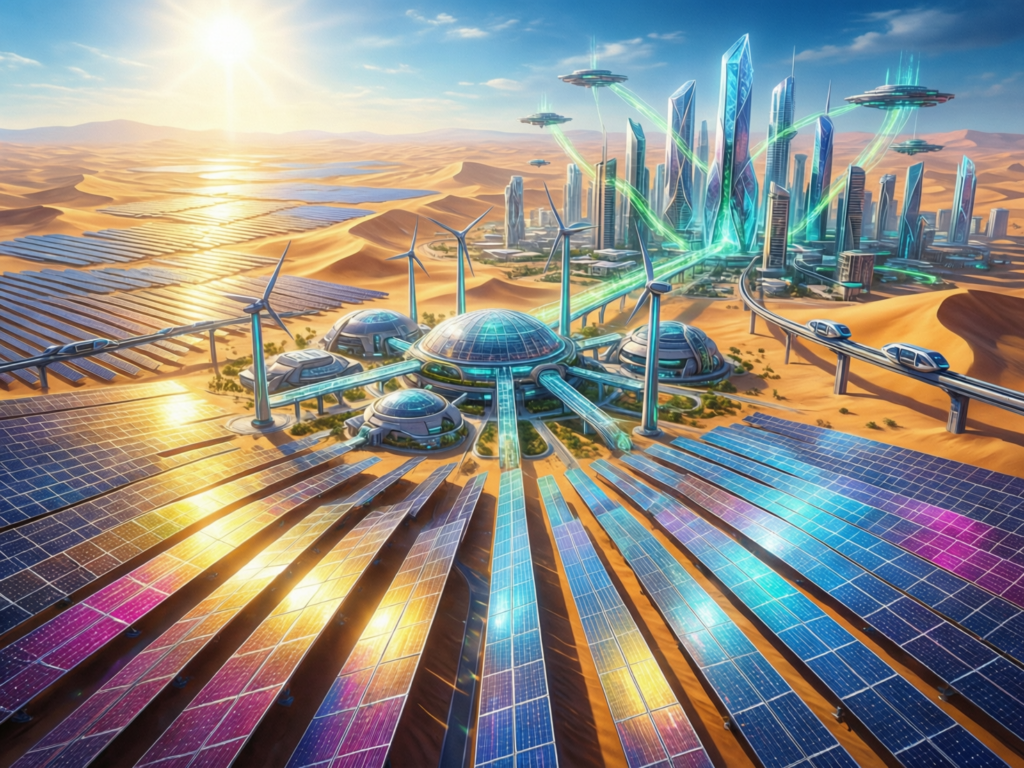
The UAE Net Zero 2050 initiative ties climate action directly to economic competitiveness, using AI and data centers as core enablers. Masdar City in Abu Dhabi acts as a sustainable smart city and free zone for climate tech startups, with events like Abu Dhabi Sustainability Week and clusters for smart mobility and green R&D. Dubai adds policy and capital through free zones such as DIFC and a strong startup and digital marketing ecosystem.
Qatar National Vision 2030, Doha and Lusail as Smart Sustainable Cities
Qatar National Vision 2030’s environmental pillar pushes sustainable smart city projects in GCC hubs like Doha and Lusail, with energy-efficient stadiums, cooled outdoor spaces and low-carbon transport as World Cup legacy infrastructure. Qatar Foundation brings research and innovation in environmental sustainability, AI and smart-city tech, creating fertile ground for climate tech scale-ups.
Green Tech Startups and Investment Hubs in the GCC
Green Tech Startups in UAE.
Across Dubai and Abu Dhabi, green tech startups plug into Masdar City’s innovation ecosystem and Abu Dhabi’s Hub71, building solar, energy-efficiency and sustainable mobility solutions. New funds like ALTERRA, anchored in ADGM, channel billions into global climate tech, giving founders in the Emirates a direct line to climate-focused capital.
Saudi Climate Tech Ventures.
In KSA, NEOM and the Red Sea projects are attracting agri-tech, water tech and circular economy startups. Vision-aligned funding flows from PIF, local VCs and programs showcased at events like LEAP and the Future Investment Initiative. For a Riyadh founder, this means green technology in the Middle East is no longer abstract it’s embedded into regulatory sandboxes, corporate pilots and government tenders.
Qatar Foundation, Bahrain and Oman as Emerging Green Tech Players
Beyond the “big two”, Qatar Foundation, Bahrain and Oman are nurturing climate-tech pilots in energy, logistics and tourism. Research programs in Doha explore cooling, renewables and environmental sustainability, while Bahrain and Oman leverage cloud infrastructure, AWS local zones and free zones to test low-carbon digital services.
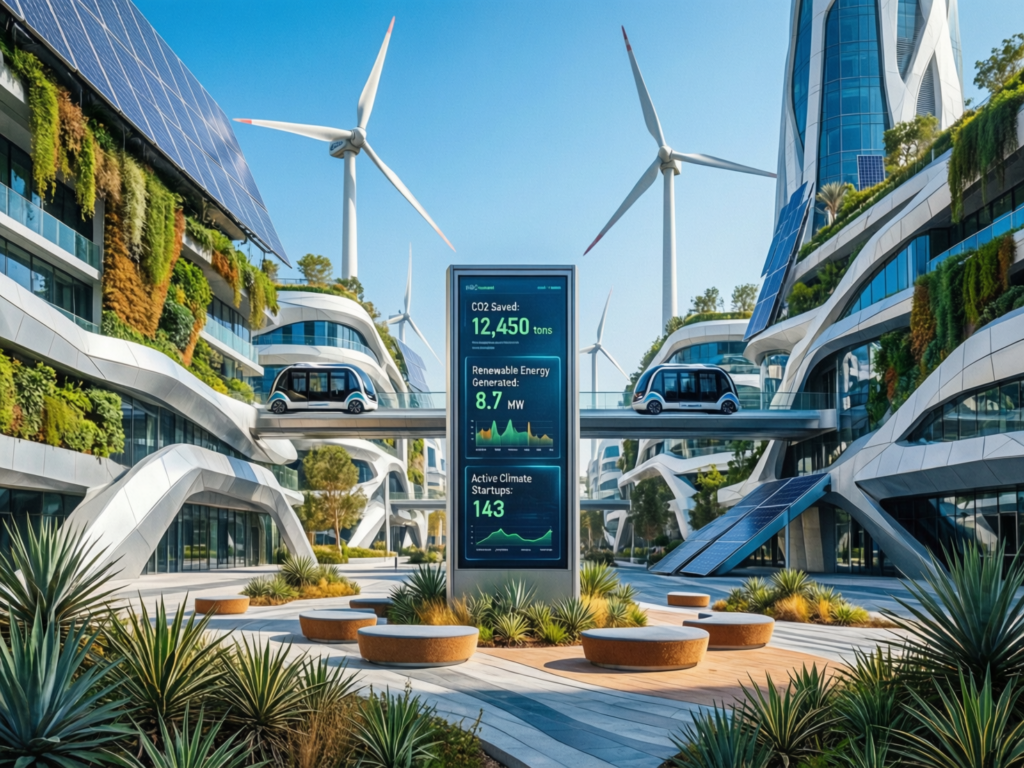
How Middle East Tech Companies Are Going Green in Daily Operations
Greener Data Centers and Cloud Platforms in KSA, UAE and Qatar
Why are data centers and cloud platforms so important for sustainability in GCC tech firms? Because every API call and database query consumes energy especially expensive cooling energy in 45°C summers. By shifting workloads to efficient regional cloud regions (AWS in Bahrain and the UAE, Azure UAE regions, Google Cloud in Doha), businesses can cut carbon per transaction while still meeting strict data-residency rules.
AI and Software for Energy Efficiency in Telecom, SaaS and Fintech
Telcos in Riyadh, SaaS platforms in Dubai and fintechs in Doha are using AI to optimize network traffic, autoscale microservices and predict energy peaks in offices and branches. These Middle East tech companies going green with solar and AI often rely on robust web and mobile stacks exactly the kind of architectures Mak It Solutions designs through web development services and mobile app development services.
Circular Hardware, E-Waste and ESG Reporting for GCC Tech Firms
Day-to-day impact also comes from circular hardware policies: longer device lifecycles, certified e-waste partners and transparent ESG reporting. Banks, government entities and logistics firms increasingly expect suppliers to publish ESG and sustainability reporting for tech firms, often aligned with central-bank guidance from SAMA and QCB. (Saudi Central Bank)
GCC Compliance, Data Residency and Green Regulations
Role of SAMA, TDRA, QCB and NDMO in Sustainable Digital Transformation
Regulators such as SAMA, TDRA, QCB and KSA’s NDMO shape both digital and green transformation. SAMA supports fintech innovation while managing climate and ESG risks in the financial system; QCB has issued an ESG and sustainability strategy plus supervisory principles for banks. TDRA, meanwhile, positions the UAE as a model of sustainable digital services and smart cities by pushing efficient, citizen-centric platforms.
Data Residency and Green Cloud Rules in Riyadh, Dubai and Doha
Data-residency rules in Saudi, UAE and Qatar push critical workloads into approved local or regional clouds. The good news: modern regional data centers from UAE Azure regions to GCP Doha—are built around energy-efficient hardware, advanced cooling and high-renewable energy mixes, so compliance and greener operations align instead of conflicting.
ESG, Green Finance and Free-Zone Frameworks.
Free zones like ADGM and DIFC add a financing layer: sustainable finance frameworks and ESG disclosure rules for funds and listed firms. For GCC tech founders, this means climate-aligned products, data platforms and reporting tools can tap specialized green capital especially when supported by strong analytics and dashboards, like those Mak It Solutions builds via business intelligence services.

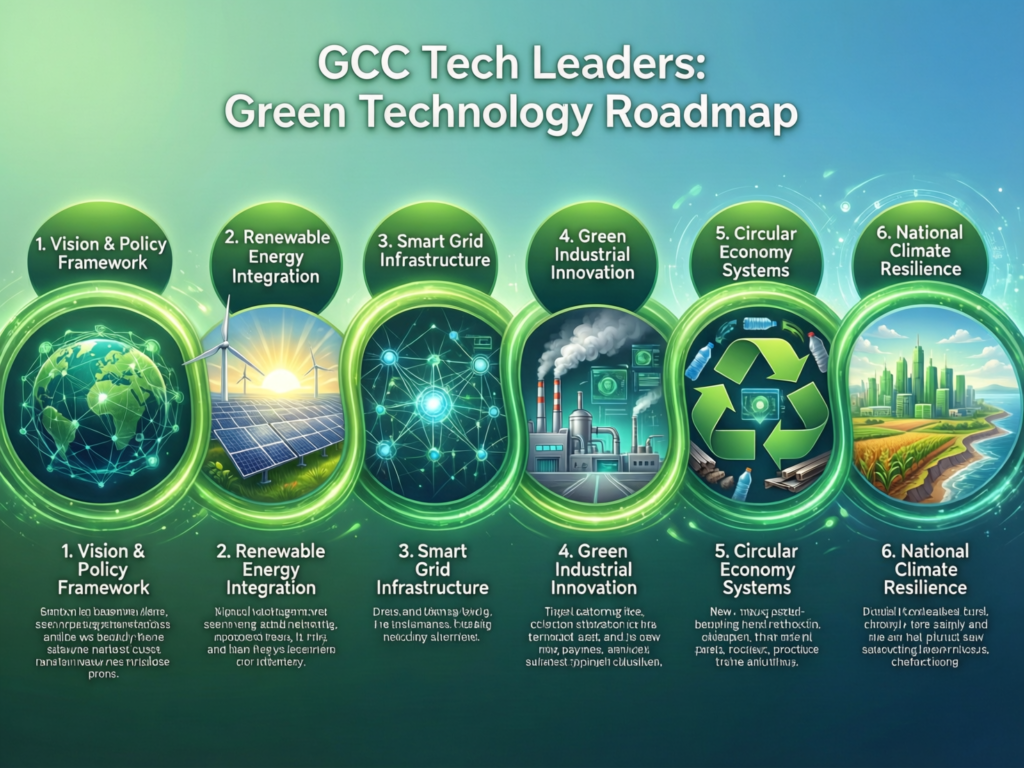
Step-by-Step Roadmap for GCC Tech Leaders to Start with Green Technology
Measure Your Footprint and Align with National Visions
Start with a baseline: data center energy consumption, office electricity and cooling, business travel, and cloud usage. Map this against Saudi Vision 2030, UAE Net Zero 2050 and Qatar Vision 2030 so your roadmap supports national goals as well as investor expectations Mak It’s digital marketing and analytics work often begins from the same data-driven mindset.
Prioritise Quick-Win Green Tech Projects
Focus first on quick wins: consolidating servers into greener cloud regions, tuning Core Web Vitals and performance (the guide on server-side rendering vs static generation is a great starting point), upgrading office HVAC and lighting, and piloting solar on rooftops or car parks. These “GCC green technology for hot weather countries” moves often pay back within 1–3 years.
Partner with Startups, Funds and Regulators Across GCC
Then look outward: join accelerators (Hub71, KAUST, Qatar Foundation labs), explore ADGM or DIFC-based climate funds, and engage early with SAMA, TDRA or QCB sandboxes. At the same time, make sure your stack—web, mobile and data pipelines is ready to plug into these ecosystems, using robust webflow development and UX-first web designing services.
Looking Ahead Why Green Technology in the Middle East Is a Competitive Advantage
Investor, Customer and Talent Expectations in Riyadh, Dubai and Doha
Investors now benchmark GCC tech deals against global peers on both growth and climate impact. Enterprise buyers in Riyadh, Dubai and Doha look for vendors that help them hit net-zero and compliance targets, while top regional talent wants to work where climate tech is real, not just a slide in a pitch deck.
Avoiding Greenwashing and Showing Real Climate Tech Impact
To avoid greenwashing, tech leaders must tie initiatives to measurable metrics: energy use per transaction, percentage of workloads on green cloud regions, emissions per delivery, verified renewable energy purchases. Certifications and transparent reporting often supported by BI dashboards are how sustainable smart city projects in GCC and fintech platforms build long-term trust.
From Early Pilots to Regional Leadership in GCC Climate Tech
The next wave of green technology in the Middle East will be led by companies that move beyond pilots to integrated strategy: climate-aware product design, low-carbon infra, honest reporting and cross-border collaboration. With the right development, analytics and cloud partners, a Riyadh fintech, a Dubai e-commerce brand or a Doha SME can become regional climate-tech references, not just consumers of green tools.
If you’re a GCC tech leader, you don’t need a 200-page strategy to start you need a clear roadmap, clean data and the right technical partner. At Mak It Solutions, we design and build web, mobile and cloud systems that are fast, compliant and ready for greener, net-zero futures.
Whether you’re re-platforming to energy-efficient cloud, redesigning your customer apps or building ESG reporting dashboards, our team can help you align with national visions and investor expectations. Reach out today via our services overview or explore how our web development and mobile app teams can support your green technology journey.
FAQs
Q : Is green technology adoption mandatory for regulated sectors like Saudi banks under SAMA rules?
A : Green technology itself is not a single “mandatory product”, but SAMA expects Saudi banks and fintechs to manage climate and environmental risks as part of overall financial stability and ESG supervision. That means more pressure on energy-efficient data centers, digital channels and internal operations, especially as Vision 2030 and the Saudi Green Initiative expand. For most SAMA-regulated entities, the question is no longer “Should we go green?” but “How fast can we embed climate considerations into IT, risk and product design?”
Q : What incentives or green licenses exist for cleantech startups in Dubai and Abu Dhabi?
A : Dubai and Abu Dhabi support cleantech and climate tech via free zones, grants, accelerators and easier licensing. Masdar City Free Zone in Abu Dhabi offers dedicated space, infrastructure and support for sustainability-focused companies, while Hub71 and ADGM host climate-aligned funds and programs linked to the UAE Net Zero 2050 agenda. Many founders combine these local benefits with global funding, using the UAE as a base to test and export climate solutions.
Q : How can Doha and Lusail smart city projects partner with regional green tech startups?
A : Doha and Lusail are natural laboratories for climate-smart mobility, efficient cooling and green building technologies under Qatar National Vision 2030. City authorities, real-estate developers and infrastructure operators increasingly collaborate with startups through pilots in transport, energy management and fan/visitor experience building on World Cup stadium technologies and Qatar Foundation’s research hubs. For founders, engaging with these projects early, via QF programs or local innovation hubs, is the best way to align solutions with real urban challenges.
Q : Are GCC data residency requirements a barrier to using international green cloud platforms?
A : Historically, strict data residency rules were seen as a barrier, but today they are more of a design constraint than a hard stop. Major clouds now operate regional data centers in the Middle East Azure in the UAE, AWS in Bahrain (with a Saudi region announced), and Google Cloud in Doha and Dammam allowing compliant, low-latency hosting that also benefits from global efficiency and renewable-energy programs. GCC tech firms can architect hybrid models where sensitive data stays in-region while analytics or non-critical workloads leverage broader green cloud capacity.
Q : What are realistic budget ranges for mid-sized GCC tech companies starting their first green tech projects?
A : For a mid-sized GCC tech company, a first phase often focuses on audits, low-code optimizations and cloud/data-center changes typically in the low six-figure USD range spread over 12–18 months, depending on footprint. Quick wins like performance optimization, cloud region shifts and office retrofits usually deliver measurable savings that help fund deeper climate tech work, such as IoT sensors or AI-driven energy forecasting. When aligned with programs under Saudi Vision 2030, UAE Net Zero 2050 or Qatar Vision 2030, these projects can also unlock concessional finance or green-loan terms through local regulators and banks