
Middle East gaming and esports industry: Riyadh to Dubai
Middle East gaming and esports industry: Riyadh to Dubai
Middle East gaming and esports industry: Riyadh to Dubai
The Middle East gaming and esports industry is already a multi-billion-dollar opportunity, with the broader MEA gaming market generating over USD 10.5 billion in 2024 and growing at around 8–11% CAGR toward 2030, led by GCC players and smartphone-heavy youth demographics Saudi Arabia is emerging as the main growth engine under Vision 2.030, while UAE and Qatar provide business-friendly hubs, cloud regions and regulatory frameworks that make it easier for foreign studios, publishers and investors to base regional operations there.
Introduction
For years, many global teams dismissed “gaming in the Gulf” as kids on mobile phones. Today, the Middle East gaming and esports industry sits inside national strategies, multi-billion-dollar sovereign investment plans and mega-events from Riyadh to Dubai and Doha. Esports arenas are selling out, sovereign funds are buying global IP, and regulators are quietly rewriting rules on data, payments and content.
The pain point for many founders and investors is simple: they know GCC gamers are valuable, but they don’t know how serious and regulated the market has become, or whether Saudi, UAE or Qatar should be their first base. The opportunity is big but so are the expectations around compliance, Arabic-first UX and local partnerships.
In this playbook, we’ll map what’s driving growth, how big the market really is, why Saudi is the volume and investment engine, how UAE and Qatar position themselves as flexible hubs, and what you must know about regulation, data residency and go-to-market if you want to win here.
What is driving the Middle East gaming and esports industry?
Direct answer (AEO)
The explosive growth of the Middle East gaming and esports industry is driven by a young, digitally native population, very high smartphone and 5G penetration, government-backed strategies in Saudi, UAE and Qatar, and rapid rollout of regional cloud regions in Bahrain, the UAE and Doha. Together, these forces have turned casual play into structured esports ecosystems with serious budgets and regulation.
From casual players to structured esports ecosystems in GCC
Across Riyadh, Dubai, Doha, Kuwait City, Manama and Muscat, gaming started as mobile-first entertainment in cafés and living rooms. As ARPU climbed and communities organised, governments stepped in: Saudi created the Saudi Esports Federation (SEF), Dubai launched its Gaming 2033 program and festivals, and Qatar formed the Qatar Esports Federation (QESF) to govern competitive play.
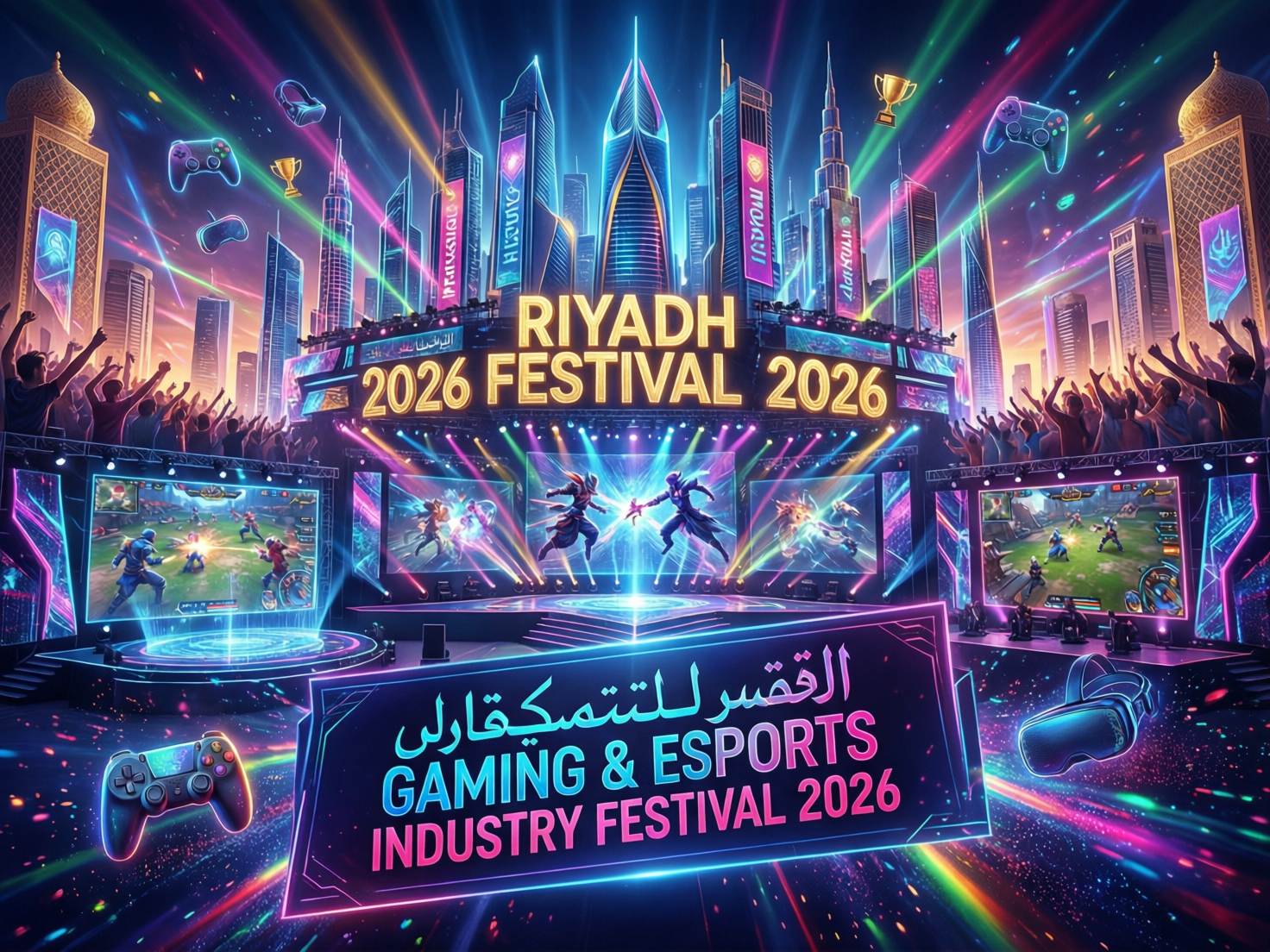
The result is a clear shift from hobbyist LANs to professional leagues, World Cup-scale tournaments in Riyadh, and annual festivals across Dubai and Doha that now sit in national event calendars alongside F1 and football.
Key segments.
Mobile dominates both revenue and engagement in MEA, with research consistently identifying it as the largest device segment by revenue. In Saudi, the market already accounts for over half of total MENA gaming revenue, with per-capita spend roughly three times the regional average.
Console and PC are strong among core gamers in Riyadh, Jeddah, Dubai and Doha, particularly for esports titles. Cloud gaming is becoming more viable thanks to AWS Middle East (Bahrain) and UAE regions, Azure’s UAE Central and North, and the Google Cloud region in Doha, which all help keep latency low while respecting data-residency commitments.
How Riyadh, Dubai and Doha shape the regional gaming narrative
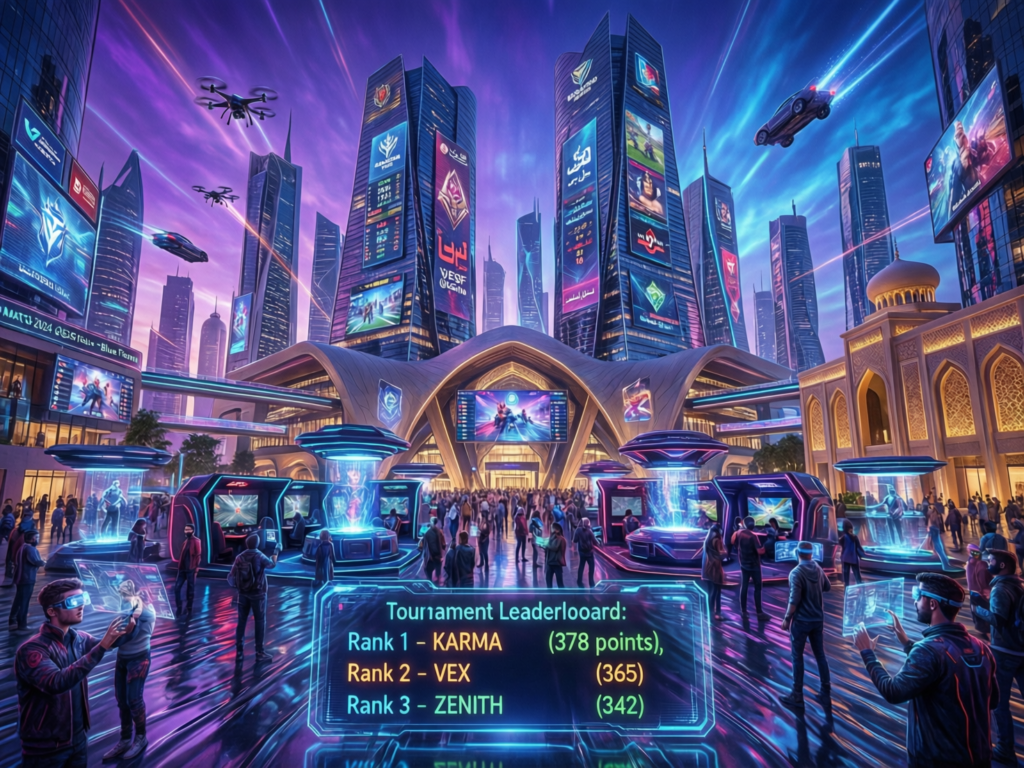
Riyadh has positioned itself as a global esports stage, hosting the Esports World Cup with a record prize pool above USD 70 million and multi-week festival formats that attract global teams and broadcasters. Dubai leans into festivals (Dubai Esports and Games Festival), creative clusters and free-zone setups, while Abu Dhabi’s AD Gaming and Yas Creative Hub host studios and training programs.
Doha, Lusail and Qatar’s Media City are carving a niche as a tournament and media-production hub for MENA, actively promoted at events like Gamescom by Invest Qatar and Media City Qatar.
How big is the Middle East gaming and esports market?
Market size, CAGR and revenue forecasts for the Middle East
Depending on definitions, analysts value the broader Middle East gaming market at roughly USD 17 billion, within a wider MEA market that generated around USD 10.6 billion in gaming revenue in 2024 and is forecast to grow at about 8.5% CAGR to 2030. MENA overall is projected to grow at around 11% CAGR between 2022 and 2029 and already represents about 17% of global players, with some of the highest ARPU worldwide driven heavily by GCC spend.
GCC youth demographics, smartphone penetration and spend
GCC demographics are skewed young, with Saudi alone often cited as having over 70% of its population under 35 prime gaming age. Ericsson-linked research suggests GCC smartphone subscriptions were about 65 million in 2022, heading toward 73 million within five years, supporting always-on gaming and esports consumption.
Players in Saudi, UAE and Qatar over-index on both time spent and ARPU compared to many Western markets, especially in mobile and F2P ecosystems. For founders, that means fewer users than Europe or East Asia, but often higher monetisation per paying user.
How GCC compares to wider MENA and global gaming hubs
Compared with Europe or North America, GCC markets are smaller in population but punch above their weight in spending, sovereign-backed capital and government coordination. Saudi alone accounts for well over half of MENA gaming revenue, while UAE and Qatar stand out for high-income players, tourism-driven events and cloud infrastructure.
For investors used to fragmented regulation in other regions, the Middle East offers fewer countries but deeper policy involvement especially around content, data and payments.
How is Saudi Arabia becoming a global gaming and esports hub?
Direct answer (AEO)
Saudi Arabia is using Vision 2030 and its National Gaming & Esports Strategy to turn Riyadh into a global esports capital, targeting about USD 13.3 billion in GDP contribution and nearly 39,000 jobs by 2030 while deploying PIF-backed capital through Savvy Games Group and mega-events like the Esports World Cup. None of this is legal, tax or investment advice; always consult professional advisors before making funding or market-entry decisions.
Inside Saudi’s National Gaming and Esports Strategy (Vision 2030)
The National Gaming & Esports Strategy, overseen by MCIT and linked directly to Vision 2030, aims to position Saudi as a global hub for game production and competitive play creating tens of thousands of jobs and diversifying GDP away from oil.
It connects entertainment, tourism and digital sectors: from NEOM and Qiddiya as future “play cities” to education, training and IP creation. For founders, this means regulators and policy makers are unusually available to serious operators, but also expect serious localisation and compliance.
Savvy Games Group, Esports World Cup and Gamers8 in Riyadh
Savvy Games Group, backed by the Public Investment Fund, has committed tens of billions of dollars to stakes and acquisitions across global gaming, including moves into mobile powerhouses and major publishers. Riyadh’s Esports World Cup now offers a prize pool north of USD 70 million by far the largest in the industry and runs for weeks each summer, building on the earlier Gamers8 festival format.
This makes Riyadh one of the most televised and streamed esports cities globally, eclipsing many legacy hubs in visibility.
What this means for studios, publishers and esports orgs entering Saudi Arabia
Practically, Saudi is the volume and capital engine of the Middle East gaming and esports industry. Typical entry paths include:
Publishing deals that localise global IP for Saudi and wider Arabic audiences.
Joint ventures with Saudi partners leveraging SEF, MCIT and tourism-focused programs.
Establishing a GCC HQ in Riyadh, NEOM or, later, Qiddiya, while using cloud in Bahrain or UAE for latency and compliance.
Studios should expect to invest in Arabic-first UX, hire Saudi talent and work with local advisors whether product, legal or tech partners such as web development services and mobile app development services that already operate with GCC regulatory expectations in mind.
Why are UAE and Qatar attractive hubs for gaming and esports?
UAE gaming ecosystem.
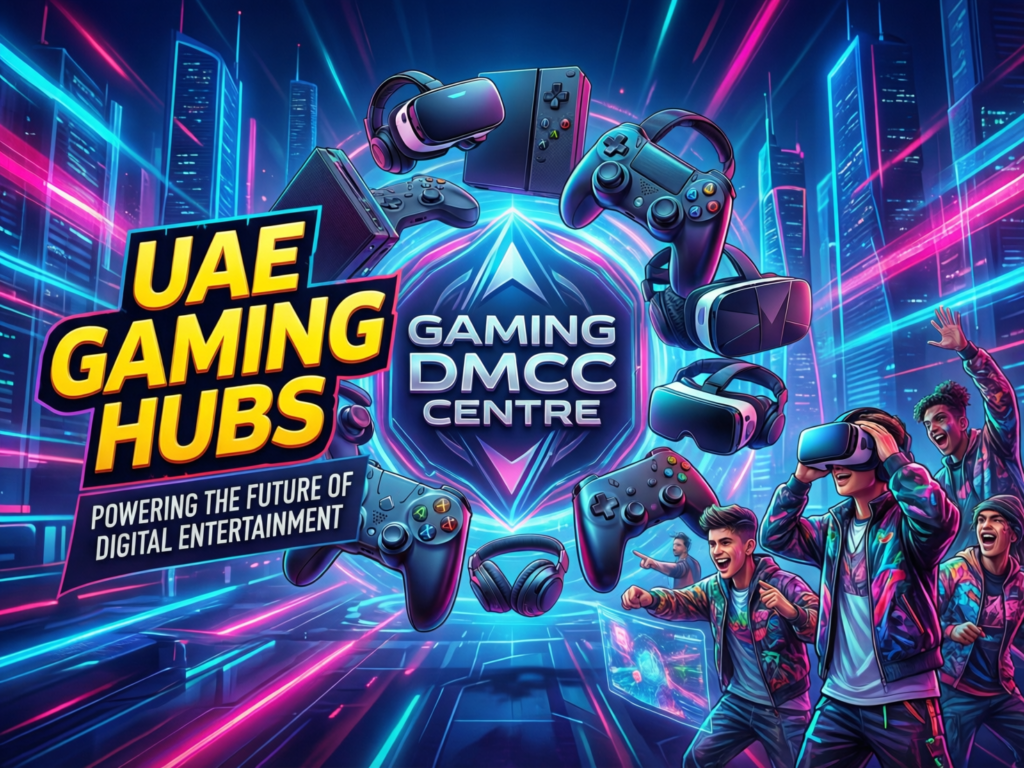
The UAE’s pitch is simple: set up fast, own your company, and plug into global infrastructure. Abu Dhabi’s AD Gaming, Yas Creative Hub and twofour54 free zone offer office space, rebates, training and a growing cluster of studios and esports companies. In Dubai, DMCC Gaming Centre has attracted over 100 gaming businesses from dev shops to esports orgs and Web3 teams into a single ecosystem.
For foreign-owned studios, UAE free zones give 100% foreign ownership, flexible visas and straightforward banking, plus deep connectivity through Emirates and Etihad.
Qatar’s esports push.
Qatar is positioning Doha and Lusail as a tournament and broadcast hub, leveraging its sports-nation credentials. QESF oversees national esports programs and leagues, while Qatar eLeague and Media City Qatar provide tournament IP and production facilities.
Invest Qatar actively courts foreign studios with incentives and an emerging cluster of local developers, especially around Media City’s content-production infrastructure.
Choosing between Dubai, Abu Dhabi and Doha for your Middle East base
Dubai.
Best for fast setup, networking, publisher relations and regional travel; ideal for business-development-heavy teams.
Abu Dhabi.
Strong for production studios that want incentives, AD Gaming support and a media campus vibe.
Doha.
Compelling if your strategy revolves around tournaments, broadcasting or working closely with national sports/economy programs.
Many teams still keep engineering elsewhere (Europe, Pakistan, Turkey) while partnering with GCC-savvy vendors for digital marketing or SEO such as Search Engine Optimization services and digital marketing support.
What should investors know about GCC gaming regulation and data?
Direct answer (AEO)
Investors need to understand that Saudi, UAE and Qatar regulate the Middle East gaming and esports industry across three main axes: culturally sensitive content and age ratings; data residency and cloud controls; and payments, prize pools and fintech licensing overseen by central banks and financial free zones. NDMO, TDRA, SAMA, QCB, ADGM and DIFC all touch online games and tournaments through data, telecoms or payment rules.

Content rules, online play and tournament licensing in KSA, UAE and Qatar
Saudi’s SEF works alongside other authorities to ensure esports content respects age ratings and cultural norms, with power to license events like Gamers8 and the Esports World Cup. In the UAE, TDRA and the national Internet Access Management policy define prohibited content and enable blocking of sites or games that violate public morality or security.
Qatar’s QESF, plus broader sports and media regulators, play a similar role for tournaments and broadcasting, especially when events plug into Lusail or Education City venues
Data residency and cloud hosting.
In Saudi, the National Data Management Office (NDMO) under SDAIA sets principles for data management and open data, while sectoral regulators (and the cloud computing framework) push for localisation of certain categories of personal and government data. UAE data-protection laws, TDRA’s regulation of telecoms and cloud, and the emerging UAE Data Office framework all shape how game companies host player data and telemetry.
In Qatar, QCB’s fintech supervision department and payment-services regulation touch digital wallets and in-game payments, while broader information-security requirements apply to cloud deployments. Using GCC regions of AWS, Azure and Google Cloud (Bahrain, UAE, Doha) is often the easiest way to align with residency expectations while keeping latency low.(AWS Documentation)
Payments, prize pools and fintech partners under SAMA, ADGM and DIFC
Prize pools, sponsorship flows and in-game payments sit under financial-sector rules. In Saudi, SAMA regulates payment services and has issued implementing regulations for the Law of Payments and Payment Services, shaping how PSPs, wallets and acquirers operate.(sama.gov.sa) UAE-based operators often rely on ADGM or DIFC-regulated fintech partners for cross-border flows and e-money, plus local banks for settlement. Qatar’s QCB similarly licenses digital-payment providers and supervises fintech firms serving tournaments and platforms.
If you’re building payment systems into your games or esports platforms, design them hand-in-hand with compliance teams and expect regulators to look favourably on transparent, well-documented flows.
How can GCC startups and studios win in the Middle East gaming and esports industry?
Building Arabic-first, culturally aware games for GCC players
Winning in KSA, UAE and Qatar starts with respect. That means supporting Modern Standard Arabic with options for Saudi and Gulf dialect flavour, using “halal-friendly” content guidelines, and avoiding insensitive themes around religion, culture or politics. Live-ops, events and esports storylines should align with Ramadan, school holidays and major local events not just Western seasonal calendars.
Here, working with UX teams that already build for Arab users like those behind regional mobile app trends in MENA can dramatically reduce missteps.
Publishing deals, local JV or GCC-based studio setup
Most foreign teams pick one of three models.
Publishing deal with a GCC partner handling localisation, live-ops, telco bundles and esports.
Joint venture with a Saudi, Emirati or Qatari partner sharing IP, funding and compliance.
Full GCC studio/HQ, typically in Dubai, Abu Dhabi or Riyadh, with engineering distributed internationally.
Each model trades control vs. speed and regulatory comfort. For example, an investor-backed Riyadh fintech gaming startup might run its compliance stack from a UAE or Pakistan dev team using business intelligence services and back-end development services from partners who already understand KYC/AML and central-bank expectations.
From market test to scaling in Saudi, UAE and Qatar
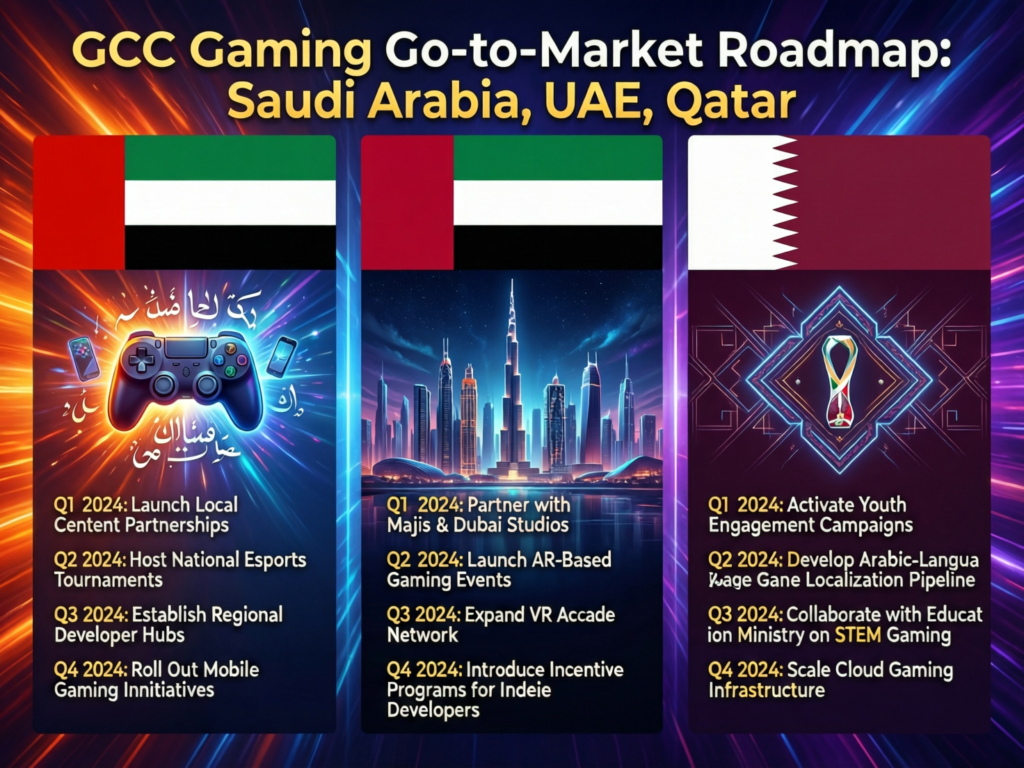
Use this simple roadmap as your GCC “how-to”.
Test the waters (3–6 months)
Soft-launch in Saudi and UAE app stores with Arabic UI, local pricing and basic payment options; monitor retention and monetisation.
Secure local partners
Identify Saudi esports orgs, UAE distributors or Qatar media players that can help with marketing, tournaments and sponsorships.
Lock in compliance
Map content ratings, tournament permits, data-hosting locations and payment-licensing touchpoints under SEF, TDRA, SAMA, QCB, ADGM and DIFC.
Scale operations
Build live-ops and community teams in Riyadh, Dubai or Doha, backed by robust infrastructure and analytics from a GCC-savvy partner (for example, React Native development plus SEO services).
Expand across GCC
Once KSA, UAE and Qatar are healthy, extend into Kuwait, Bahrain and Oman with translated content and tailored esports activations.
Real-world scenarios include: a Riyadh fintech game tying rewards into SAMA-compliant wallets; a Dubai e-commerce brand launching a casual game to drive loyalty; or a Doha SME leveraging the Google Cloud Doha region to keep player data within Qatar while hosting tournaments streamed across MENA.
The Middle East gaming and esports industry is no longer a side bet; it’s becoming a core pillar of GCC digital economies. Saudi Arabia is the scale and capital engine, anchored by Vision 2030, national strategy and mega-events, while the UAE and Qatar offer plug-and-play hubs with strong incentives, cloud infrastructure and international connectivity.
If you’re a founder, investor or ecosystem builder, the next step is clear: audit your current Middle East narrative, pick a primary GCC base, and then layer in regulatory, data-residency and Arabic-UX expertise before deploying significant budgets.
If you’re exploring your first move into GCC gaming or need to upgrade an existing strategy don’t do it blind. Mak It Solutions can help you turn ideas into regulator-ready products and platforms, from web development and mobile apps to SEO and digital marketing campaigns tuned for Saudi, UAE and Qatar.
Book a consultation, share your roadmap and compliance concerns, and we’ll help you design a GCC-specific architecture, content and go-to-market plan that speaks fluently to both gamers and regulators. (Click Here’s )
FAQs
Q : Is gaming and esports content regulated differently in Saudi Arabia, the UAE and Qatar?
A : Yes. In Saudi Arabia, the Saudi Esports Federation and other authorities oversee esports events and content to ensure age ratings and cultural norms are respected, especially for large festivals in Riyadh and Jeddah. In the UAE, TDRA and the Internet Access Management policy define prohibited content and enable blocking of sites or games that breach public morality or security. Qatar relies on QESF and broader media and sports regulators to review tournaments and broadcasts, particularly when events are tied to national sports strategies and Qatar National Vision 2030 goals.
Q : Can a foreign-owned game studio operate fully from UAE free zones like DMCC or twofour54?
A : In most cases, yes. Dubai’s DMCC Gaming Centre and Abu Dhabi’s twofour54/Yas Creative Hub allow 100% foreign ownership, flexible visas and straightforward banking, making them popular bases for regional HQs and content studios. You still need to comply with TDRA rules on content and telecoms, and you may work with ADGM or DIFC-regulated fintech partners if you run payment flows. Many teams keep engineering or art elsewhere while running business development, publishing and esports operations from these UAE hubs.
Q : Are prize pools from GCC esports tournaments taxable for local and international players?
A : Prize-pool taxation depends on both the host country and the player’s home jurisdiction. In Saudi Arabia, large tournaments in Riyadh often run through entities that must comply with local tax law, SAMA rules on payment services and any withholding requirements for foreign winners. In the UAE and Qatar, treatment varies by corporate structure (onshore vs. free zone) and by how payments are processed through banks or licensed fintech firms under QCB, ADGM or DIFC frameworks. Players should seek local tax advice, especially as GCC tax systems evolve under Vision 2030-style reforms.
Q : What support do GCC governments offer for Arabic-language game development and esports careers?
A : Saudi Arabia’s National Gaming & Esports Strategy explicitly targets job creation and skills development, with SEF and MCIT backing programs for Saudi talent in game design, production and shoutcasting. Abu Dhabi’s AD Gaming and twofour54 offer training, mentorship and internship pipelines, while Dubai’s Gaming 2033 program focuses on attracting studios and developing local creators. Qatar, through QESF and Invest Qatar, promotes Arabic-language content and esports careers as part of wider creative-economy goals. These initiatives align with broader national visions (Saudi Vision 2030, UAE Digital Government, Qatar National Vision 2030).
Q : Which GCC city is best for hosting large regional esports tournaments and why?
A : Riyadh is currently the frontrunner for mega-events thanks to the Esports World Cup and Gamers8 legacy, SEF Arena-scale venues and a national strategy centred on becoming a global esports hub. Dubai is extremely competitive for festivals that mix B2B and B2C strong on tourism, logistics and exhibition space while Doha offers world-class stadiums and broadcast infrastructure carried over from the FIFA World Cup and supported by Media City Qatar. In practice, many brands use a hybrid approach: flagship tournaments in Riyadh, publisher conferences in Dubai or Abu Dhabi, and regional finals or specialty events in Doha or Lusail.