
Open Source in the Arab World: How GCC Builders Lead
Open Source in the Arab World: How GCC Builders Lead
Open Source in the Arab World: How GCC Builders Lead
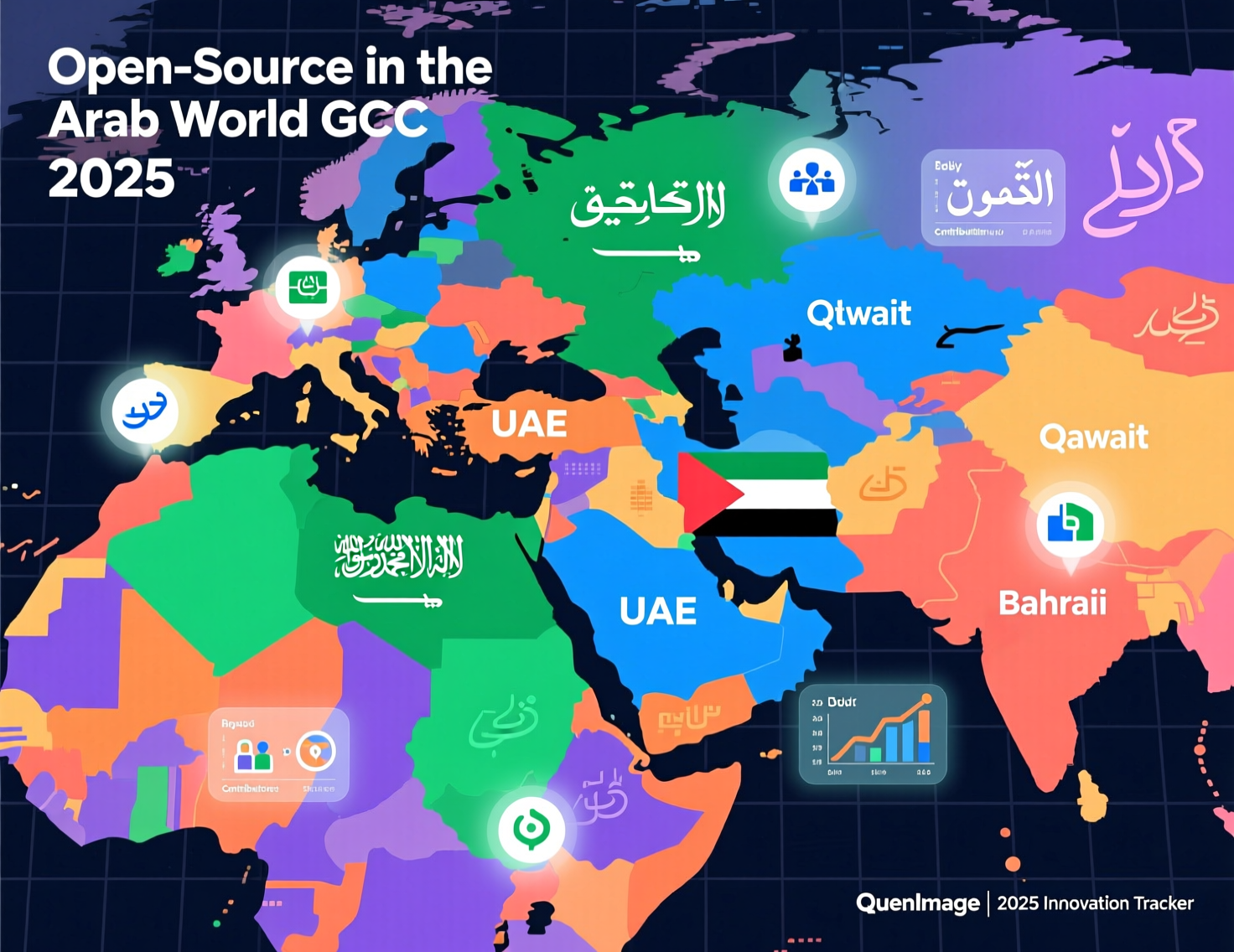
Open source in the Arab world today means Arabic-first AI models, government-backed open data, and GCC startups building serious products on open stacks while respecting local rules on data, security and sovereignty. From Riyadh and Jeddah to Dubai, Abu Dhabi and Doha, developers are using global FOSS tools, hosting in local cloud regions, and contributing code, docs and Arabic NLP back to the world.
Introduction
Walk into a tech meetup in Riyadh, Dubai or Doha and you’ll see the same picture: GitHub stars on the projector, Arabic prompts in VS Code, and discussions about hosting in AWS Bahrain or Azure UAE Central to stay compliant.
For many GCC builders, the question is no longer “Should we use open source?” but “What does open source in the Arab world look like under Vision 2030, TDRA rules, and Qatar’s AI ambitions?” At Mak It Solutions, we hear this from CTOs and developer leads almost weekly.
This guide maps the real landscape of open source in the Arab world: how it differs from Silicon Valley, which Arab-built projects matter, what KSA, UAE and Qatar governments are doing, where communities meet, and how to start contributing safely as a GCC individual or organization.
What Open Source Looks Like in the Arab World Today
From Global FOSS to GCC Reality
Most GCC teams rely on the same global FOSS stack Linux, Kubernetes, PostgreSQL, React—but operate under different constraints: Arabic user journeys, right-to-left UX, and strict policies for data residency, finance and health. Local hosting in AWS Middle East (Bahrain), Azure UAE Central and the Google Cloud Doha region lets teams stay closer to users and regulators while still using mainstream open source components.
How Vision 2030 and GCC Digital Strategies Shape Open Source
Saudi Vision 2030’s digital transformation agenda, together with national programs led by the Digital Government Authority (DGA), explicitly uses open source to grow local talent and digital sovereignty.Similar digital government strategies in the UAE and Qatar bake in open data, APIs and AI as foundations for smart services and private-sector innovation.
Why “Open Source in the Arab World” Is Different From Silicon Valley
Unlike a Bay Area startup, a Riyadh fintech or Doha govtech team has to think about SAMA, NCA cybersecurity controls, SDAIA data rules, TDRA and Qatar MCIT guidance, often before writing a single line of code. This creates a uniquely GCC flavour of open source: Arabic-first, regulation-aware, and tightly linked to national visions and sovereign cloud strategies.
Arab-Built Open Source Projects and AI Models Gaining Traction
Saudi and GCC-Built Frameworks, Design Systems and Tools
Across KSA and the wider Gulf, ministries and authorities are publishing design systems, component libraries and SDKs as open source to standardize citizen services. REGA’s work under the National Committee for Free and Open-Source Government Software is one example of government-grade OSS components and policies emerging from Riyadh. GCC startups are also shipping open dashboards, workflow engines and dev tools that others can fork and self-host.
Arab Open Source AI Models, NLP and Arabic-First Libraries
Arabic NLP libraries, speech models and fintech/govtech accelerators are increasingly published under permissive licences so teams can fine-tune for Gulf dialects and sector vocabularies. These models often sit on top of local open data portals and tailored tokenisers, helping banks, regulators and logistics players embed AI while keeping sensitive data in-region.
How GCC Projects Reach Global Developers on GitHub
Well-documented READMEs in English and Arabic, clear contribution guides, and examples hosted on GitHub Actions or Docker Hub are helping GCC repos attract contributors from Europe, South Asia and North America. For ambitious teams, partnering with a GCC-focused engineering firm like Mak It Solutions’ web development services can help harden CI/CD, security and documentation so their project feels “production ready” to a global audience.
Government Strategies.
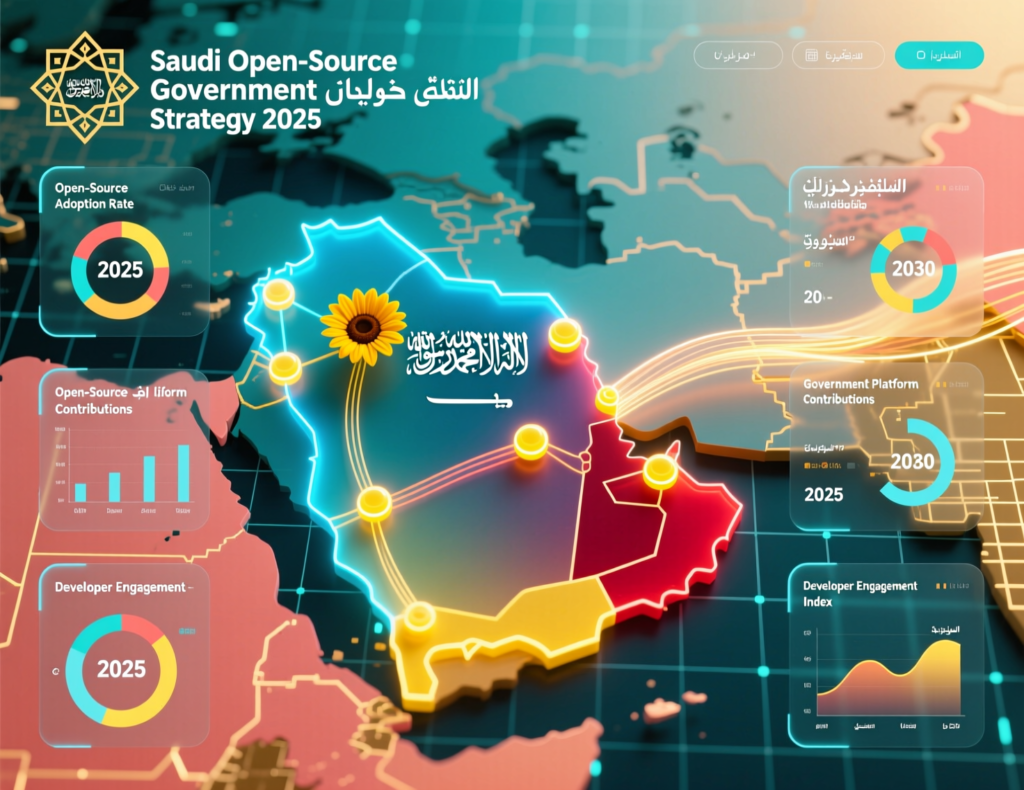
Saudi Arabia’s Free and Open-Source Government Software Strategy
Saudi’s DGA, together with REGA and the National Committee for Free and Open-Source Government Software, runs a formal strategy to reuse code across ministries, reduce dependency on proprietary vendors and strengthen digital sovereignty. Guidelines such as Go-OSS help agencies decide when to release code, which licences to adopt, and how to handle security and governance.
Why are Saudi digital government programs investing in open source platforms and tools?
Because shared platforms reduce cost, speed up rollout of new e-services, and build a domestic ecosystem of vendors and maintainers aligned with Vision 2030.
UAE’s TDRA-Led Open Data Policies and Open APIs for Developers
In the UAE, TDRA sets federal open data and API policy, with detailed specifications for how entities should publish machine-readable datasets and stable APIs. Ministries like MoIAT and the Ministry of Finance then mirror these policies with their own open data portals, giving startups and researchers clean inputs for analytics, AI and civic tech.
How are UAE regulators and TDRA using open data to support open source innovation?
By standardising formats and licences so developers in Dubai, Abu Dhabi and Sharjah can safely build OSS tools, dashboards and AI models on top of government datasets.
Qatar’s Digital Government and AI Initiatives Built on Open Data
Qatar’s MCIT drives the Digital Agenda 2030 and National AI Strategy, with GovAI and data/AI insight programs making curated datasets and AI infrastructure available to the ecosystemRecent AI infrastructure investments and partnerships are positioning Doha as a competitive regional AI hub, with open data and open tooling at the base.
Local Communities.
Riyadh, Jeddah and Eastern Province Open Source & Tech Meetups
In Riyadh, Jeddah and Dammam/Khobar, open source conversations happen at GDG chapters, university clubs, community-run Python, JS and DevOps meetups, and large ecosystem events tied to Vision 2030. Many sessions are in Arabic, with live demos on how to contribute to real repos.
Dubai and Abu Dhabi Developer Hubs, Hackathons and OSS Meetups
Dubai Internet City, Abu Dhabi’s Hub71, and co-working spaces across the UAE host regular hackathons, capture-the-flag challenges, AI bootcamps and startup weekends. These events often encourage teams to publish their prototypes on GitHub and adopt OSI-approved licences from day one, something a partner like Mak It Solutions can help formalise for production.
Doha’s Open Source Networking Groups and GDG Communities
In Doha, open source networking groups, GDG Doha and AI meetups create a friendly landing pad for new developers and expats. They’re also a good place to find collaborators for Arabic-first LLM fine-tuning or to validate that your OSS stack aligns with local expectations on data and security.
How GCC Developers Contribute to Global Open Source from Riyadh, Dubai and Doha
Typical Contribution Paths for Arab Developers (Docs, Issues, Code)
Most GCC developers start small: fixing typos in docs, translating strings to Arabic, or reproducing and documenting bugs. As confidence grows, they submit PRs, maintain plugins for popular frameworks, or spin out Arabic-first forks that the upstream eventually adopts.
Balancing Company Policies, NDAs and GCC Regulations When Contributing
If you work in fintech, health or government projects, you must respect NDAs, data classification policies and sectoral regulations when contributing. Many companies now define an internal open source policy, with simple approval workflows, to make sure contributions are encouraged but controlled—something Mak It Solutions’ GCC services often help design.
Remote-First GCC Teams Building on and Upstreaming to OSS
Remote teams in Riyadh, Dubai and Doha routinely build products on top of open source stacks, then upstream performance improvements or security patches. This builds credibility with global maintainers and makes it easier to recruit senior engineers who care about working in public.

Why GCC Startups and Enterprises Choose Open Source Stacks
Cost, Flexibility and Vendor Independence for GCC Startups
For early-stage startups in Dubai, Riyadh or Sharjah, open source means lower TCO, more cloud options, and the ability to move from AWS Bahrain to Azure UAE Central or the Doha GCP region without being locked into proprietary services.
Data Residency, Sovereignty and Self-Hosted Options in Saudi and Qatar
Banks, regulators and gov agencies in KSA and Qatar often prefer self-hosted OSS databases, identity servers, analytics deployed inside sovereign or local cloud regions to keep sensitive data in-country and aligned with frameworks from SAMA, NCA and sector regulators.
Security, Compliance and Cyber Resilience with Community-Hardened Stacks
Mature open source components benefit from years of scrutiny by global security communities, which can complement local standards in KSA and the UAE. When combined with formal controls mapped to NCA, TDRA and internal audits, open source stacks can be at least as resilient as proprietary alternatives sometimes more, because you can inspect and patch the code yourself with partners like Mak It Solutions.
Practical Playbook: Getting Started with Open Source in the Arab World
From First Contribution to Maintaining a GCC-Relevant Project
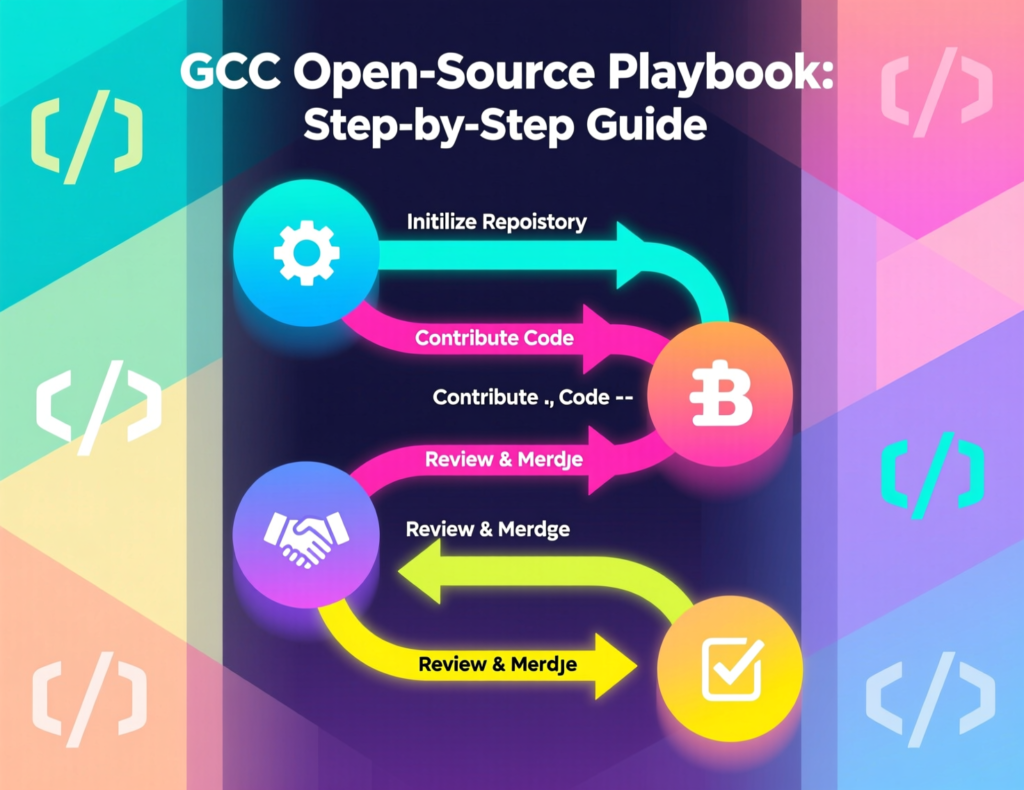
Pick a GCC-relevant project
Choose a repo that touches Arabic UX, GCC fintech, govtech, logistics or e-commerce, ideally one you already use at work.
Make a zero-risk contribution
Start with docs, tests, or Arabic translations so there’s no IP or NDA risk.
Align with your employer
Share the project with your manager; if needed, get written approval as part of an internal open source policy.
Join the community
Attend local meetups in Riyadh, Dubai or Doha, join the project’s Slack/Discord, and ask maintainers where help is most needed.
Take ownership
Over time, volunteer to maintain a module, plugin or Arabic language pack and treat it like production software.
Choosing GCC-Friendly Licenses for Startups and Public Sector Pilots
For many GCC startups, permissive licences like MIT or Apache-2.0 are easier to commercialise than strong copyleft licences like GPL, which can create obligations when combining code. Public sector pilots may follow national guidelines (such as Saudi’s Go-OSS framework) and TDRA/MoIAT advice on open data licences.Always get legal counsel for edge cases; this article is informational only and not legal advice.
Building an Internal Open Source Policy for Your GCC Organization
A simple internal policy should define: which licences are allowed, how contributions are approved, how to handle security and dependency updates, and how to use government open data safely. Firms often work with GCC-focused partners like Mak It Solutions’ web development services to map OSS usage to sector frameworks and automate checks in CI/CD.
Bottom Lines
Open source in the Arab world is no longer a side hobby; it’s part of how Saudi, Emirati and Qatari ecosystems are building fintech, govtech, logistics and retail platforms for the next decade. For GCC developers, this is the moment to contribute, maintain and lead; for CIOs and digital chiefs, it’s the time to sponsor internal policies and back Arabic-first open tooling.
Start small: pick one GCC-relevant repo, attend a local meetup, and align your stack with your regulator. When you’re ready to architect a compliant, future-proof open source stack in the Arab world, Mak It Solutions can help you design, build and scale it across KSA, UAE and Qatar.
If you’re a GCC developer, founder or digital leader wondering how to use open source safely under local rules, you don’t have to figure it out alone. Our team at Mak It Solutions works with organizations across Saudi Arabia, the UAE and Qatar to design GCC-ready architectures, policies and contribution workflows.
Book a consultation, share your current stack and regulatory constraints, and we’ll help you build a practical roadmap. Whether you’re piloting an Arabic AI model or refactoring a national platform, we can co-create an open source strategy tailored to your market.
FAQs
Q : Is open source software officially supported by the Saudi government for public sector projects?
A : Yes. Saudi Arabia has a formal Free and Open-Source Government Software Strategy led by the Digital Government Authority and the National Committee for Free and Open-Source Government Software. It encourages ministries and authorities to reuse source code, publish shared components and reduce dependence on proprietary vendors, all in line with Vision 2030. Many entities, such as REGA, already apply this strategy in real platforms and services. Public bodies still need to respect cybersecurity requirements from the National Cybersecurity Authority and sector regulators.
Q : Can UAE startups use GPL or MIT-licensed open source in commercial SaaS products?
A : In principle, yes UAE startups routinely use MIT, Apache-2.0 and even GPL components in commercial SaaS products, as long as they respect each licence’s obligations. Permissive licences like MIT or Apache-2.0 are often easier for venture-backed SaaS products because they don’t usually require releasing proprietary code. GPL can be trickier, especially when combining or distributing binaries, so founders should get legal advice. At the same time, UAE companies must comply with data protection, TDRA guidance and sectoral rules, which is where a clear internal open source policy helps.
Q : Are there any open source communities or meetups for developers new to Doha or Qatar?
A : Yes. Doha has active tech communities including GDG Doha, open source networking groups and AI-focused meetups. These often meet at universities, innovation hubs or coworking spaces, and many sessions are friendly to early-career developers and newcomers to Qatar.They are also a great way to understand how local teams interpret Qatar’s National AI Strategy and data policies in practice. New arrivals can use platforms like Meetup or local event directories to find monthly gatherings.
Q : How do GCC companies handle data residency when deploying open source tools in the cloud?
A : Many GCC organizations deploy open source databases, message queues, identity providers and analytics tools into regional cloud regions such as AWS Bahrain, AWS UAE, Azure UAE Central and the Google Cloud Doha region. Sensitive data stays in these regions, while global teams manage code and infrastructure remotely. In sectors like banking or government, teams map deployments to frameworks from SAMA, NCA, TDRA or MCIT, sometimes using private or sovereign cloud offerings. Careful architecture and documentation help auditors see how open source and local regulations fit together.
Q : What are common mistakes Arab startups make when choosing open source licences?
A : A frequent mistake is copying a licence from a random GitHub project without understanding what it means for commercial rights or contributions from others. Some founders choose strong copyleft licences like GPL for libraries where permissive licences such as MIT or Apache-2.0 would attract more adoption and partners. Others forget to align their choice with government open data policies or sector regulations in Saudi, the UAE or Qatar. A safer approach is to define a simple licensing strategy early and revisit it with legal counsel as the product matures; again, this is not legal advice.