

Smart Home Middle East: GCC Adoption, Costs & Security
Smart Home Middle East: GCC Adoption, Costs & Security
Smart Home Middle East: GCC Adoption, Costs & Security
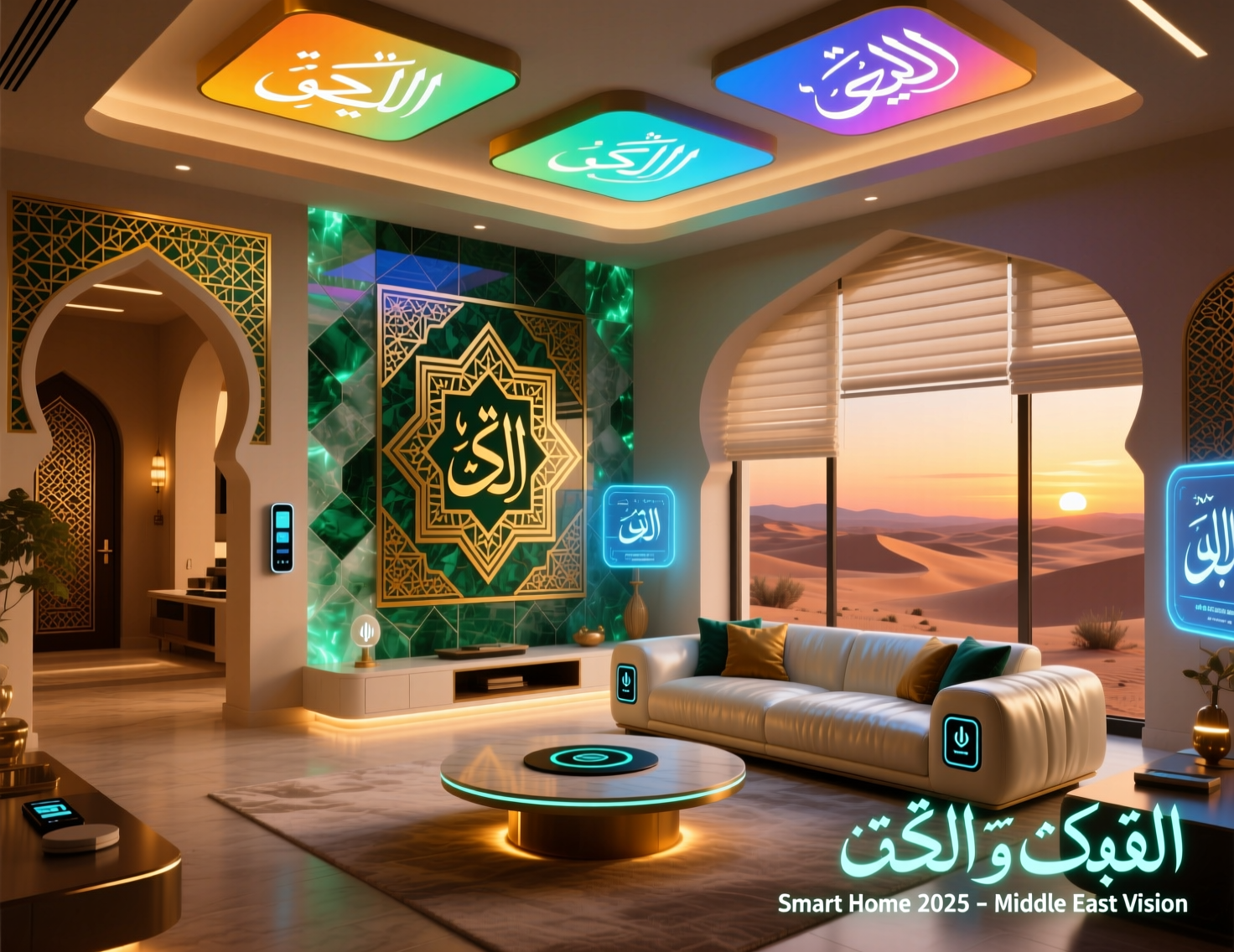
In the smart home Middle East market, adoption is still under 10% of households, but Saudi Arabia, the UAE and Qatar are investing heavily in smart cities, data localization and IoT to make connected homes safer and more efficient. For GCC homeowners and tenants, the safest approach is to start with basic security and energy devices that comply with CST, TDRA and QCB rules, then scale gradually with trusted providers and regional cloud hosting.
Introduction
Smart homes are growing fast but still niche in the GCC
When you hear “smart home Middle East”, it’s easy to imagine every villa in Riyadh or Dubai fully automated. The reality is quieter: GCC smart home adoption is still under 10% of households, even though the market value is growing at double-digit rates toward 2033. High-income segments, new compounds and premium apartments move first, while many families are still testing one or two connected devices before committing to full home automation.
Why Saudi, UAE and Qatar lead the Middle East smart home wave
Saudi Arabia, the UAE and Qatar are pushing smart cities, digital government and large-scale housing projects, which naturally pull smart home solutions with them. Vision 2030 projects around Riyadh and NEOM, Dubai and Abu Dhabi smart communities, and Doha’s post-World-Cup smart districts all rely on fast fibre, strong 5G and cloud. Once that backbone exists, home automation systems become a logical next step for residents, facility managers and landlords.
What this guide covers for GCC homeowners and expats
This guide walks GCC homeowners, landlords and expats through how the smart home Middle East market looks today, the most useful use cases, realistic costs and ROI, and the regulations that actually matter. You’ll see real-world examples from Riyadh, Dubai and Doha, plus a step-by-step action plan so you can move from one smart bulb to a full residential IoT ecosystem without putting your family’s privacy at risk.
Smart Home Market in the Middle East Today
What “smart home” really means for GCC villas and apartments
In GCC cities, a smart home usually means a bundle of connected devices: Wi-Fi cameras, smart locks, AC controls, lighting, voice assistants and sometimes IoT-enabled appliances like fridges or washing machines. These sit on top of your Wi-Fi or fibre connection and talk to cloud platforms hosted in regions like AWS Bahrain, Azure UAE Central or Google Cloud Doha, with apps your family uses in Arabic or English.
Adoption vs global markets.
Globally, the smart home market is already over USD 120B and growing above 20% yearly, led by North America. ([Fortune Business Insights][3]) In the GCC, spending is increasing fast but household penetration lags because many residents live in rentals, multi-generation households decide tech changes slowly, and people worry about privacy and hacking. As a result, adoption in Saudi, UAE, Qatar, Kuwait, Bahrain and Oman remains below 10% even as revenue climbs.
Why is smart home adoption still below 10%?
Because many GCC families see smart home tech as expensive, complex and risky for privacy. High upfront costs, unclear ROI on energy savings and concerns about cameras and microphones inside the home slow adoption, especially in rentals and traditional households.
Smart cities, Vision 2030 and post-World-Cup infrastructure
Despite that gap, the growth story is strong. Mega-projects like Saudi’s Vision 2030 smart cities, UAE’s digital strategy and Qatar’s smart districts are building the backbone 5G, fibre, cloud and e-government that makes smart villa automation appealing. As government services go digital and utilities roll out smart meters, homeowners from Jeddah to Sharjah see more value in integrating home automation systems with city services, from billing to security.
Top Smart Home Use Cases in Saudi, UAE & Qatar
Cameras, smart locks and alarms for GCC homes
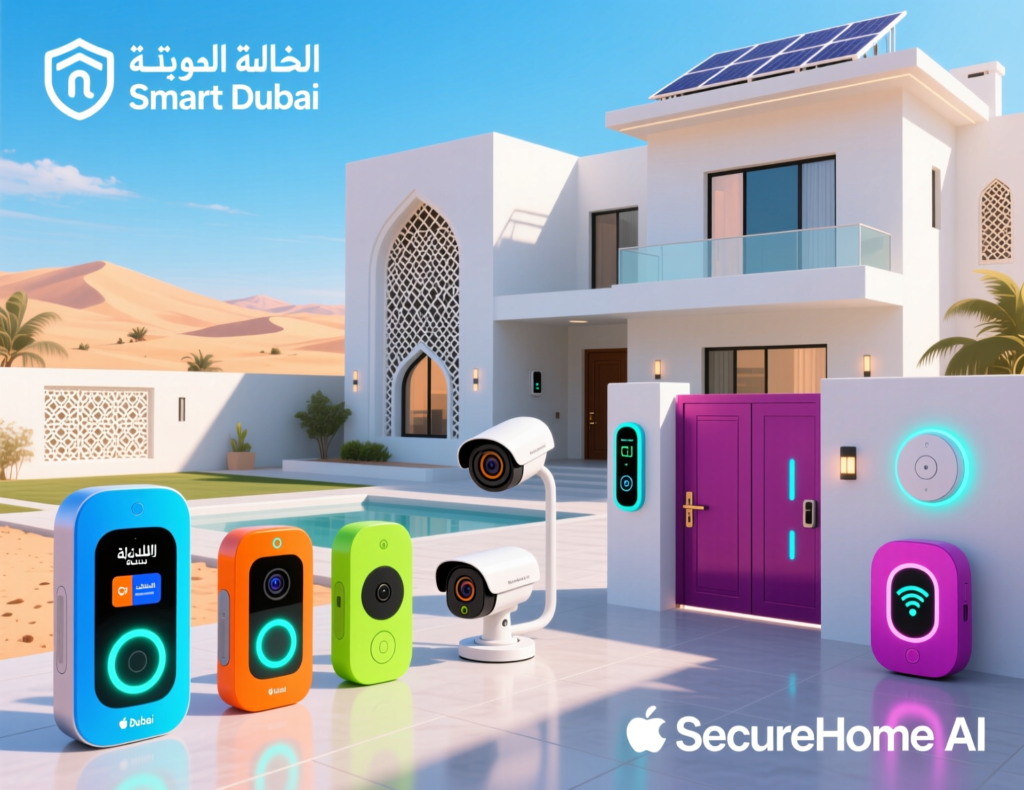
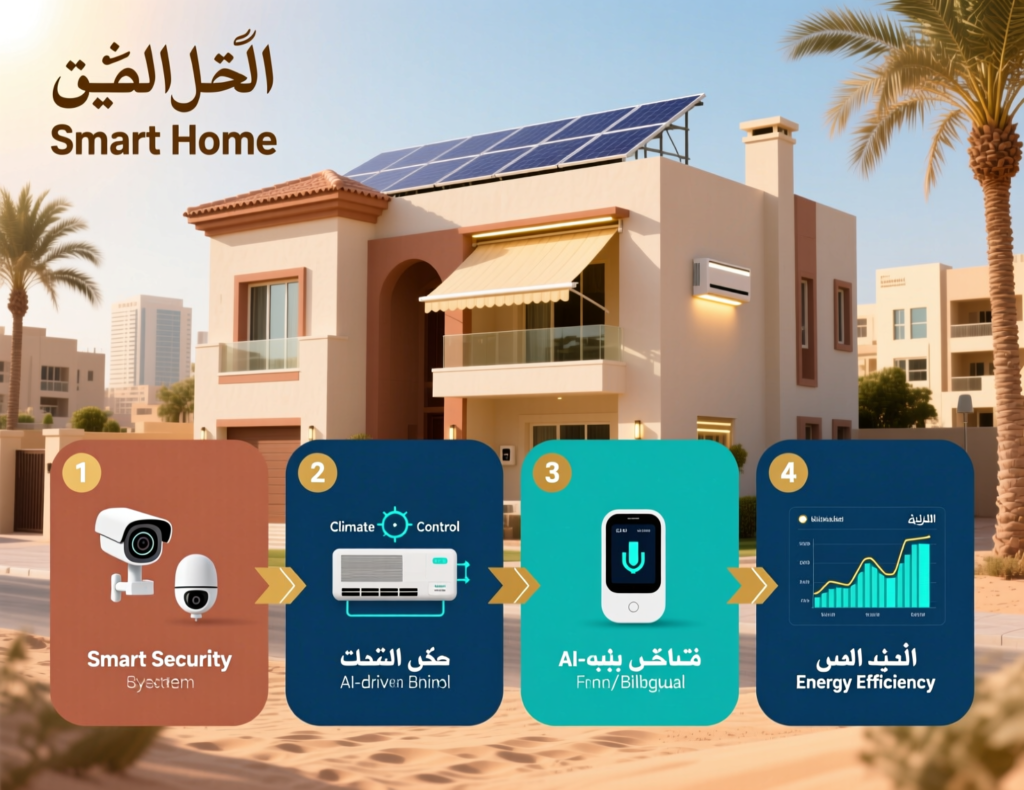
The most popular smart home devices in Saudi and UAE households today are security-related: Wi-Fi cameras, smart doorbells, smart locks and alarm systems for compounds and villas. Families in Riyadh, Jeddah, Dubai and Abu Dhabi like being able to see gates, parking and entrances from their phones and to grant temporary access codes for cleaners or drivers instead of sharing keys. In compounds, shared camera and access control setups also help security teams monitor perimeters more efficiently.
AC control, smart thermostats and lighting for hot climates
Air conditioning is usually the biggest line on the electricity bill in Gulf homes. Smart thermostats, AC controllers and presence-based lighting help cut costs and support sustainability targets across the region. By scheduling cooling around prayer, work and school times and integrating with utility peak alerts households in Doha, Dammam or Sharjah can see meaningful savings over a few summers, especially in older buildings with less efficient insulation.
Arabic voice control, majlis automation and remote access
Lifestyle use cases are growing fast. Common examples include:
Arabic voice control for lights, scenes and media
Automated curtains and lighting for majlis areas
Remote access for guests, house help or family members
One-tap “Ramadan”, “study” or “travel” modes that adjust lights, AC and locks together
For a Dubai apartment, the best smart home system often means strong Arabic support so parents and grandparents can use it easily. In villas in Riyadh or Doha compounds, residents build scenes that match daily routines and religious practices rather than generic “movie night” templates.
What are the most popular smart home devices in Saudi and UAE?
Security cameras, smart doorbells, motion sensors, smart locks, AC controllers and smart lighting are the top choices for Saudi and UAE families. They address immediate pain points security and electricity bills and are easy to install without major construction.
Regulation, Data Privacy and Cybersecurity in GCC Smart Homes
Saudi CST, NCA and SALEEM rules that affect smart home devices
In Saudi Arabia, the Communications, Space & Technology Commission (CST) regulates IoT services and devices, with updated IoT Regulations published in 2024 that apply to IoT technology, connectivity and devices used by consumers.Devices imported into KSA must meet SALEEM/SIRC product safety standards, and the National Cybersecurity Authority (NCA) promotes cybersecurity controls for connected systems, including home networks and routers.
How do Saudi IoT and cybersecurity regulations affect buying devices?
They push consumers and retailers toward certified, registered devices rather than grey imports. In practice, you should look for CST-compliant, SALEEM-approved products and avoid unbranded Wi-Fi cameras or hubs that don’t clearly state regulatory approvals, update policies or data handling practices.
TDRA IoT policies and cybersecurity expectations in the UAE
In the UAE, TDRA oversees telecom and IoT policies, including registration procedures for IoT services and M2M solutions. The UAE Cybersecurity Council sets national guidance on secure configurations, encryption and incident handling. For UAE homeowners, picking TDRA-approved devices and vendors that follow these cybersecurity expectations reduces risk when connecting locks, cameras and IoT enabled appliances to home networks.
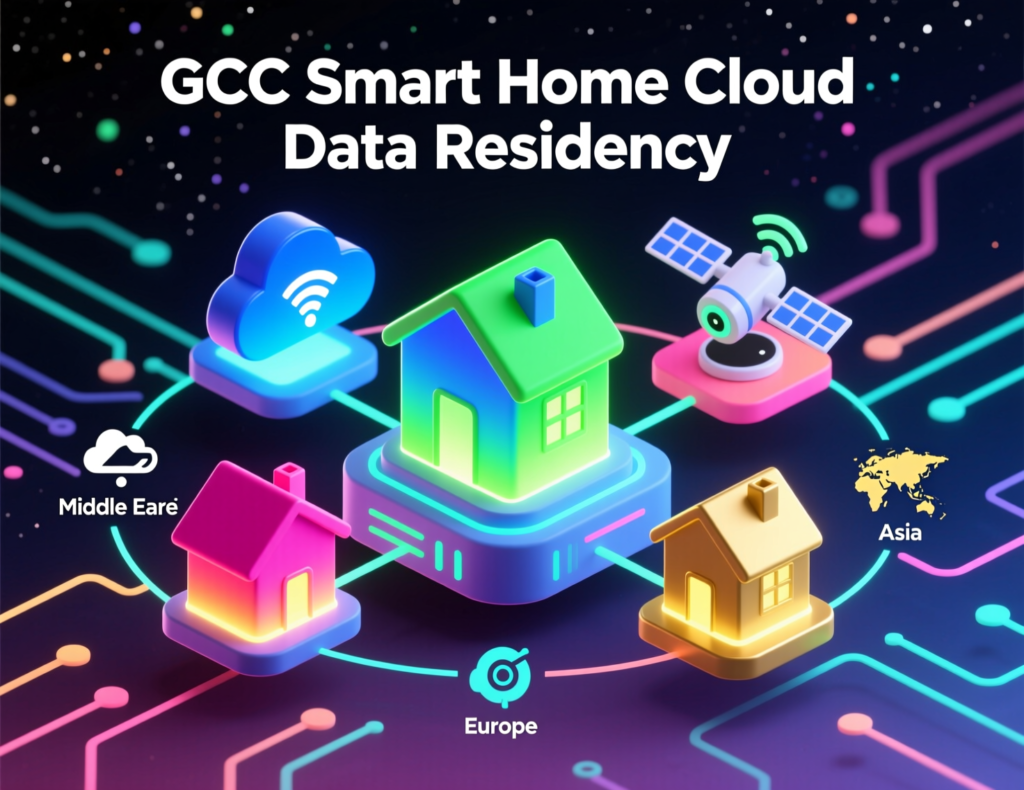
Data residency, cloud storage and privacy expectations in Qatar and wider GCC
Qatar Central Bank’s Cloud Computing and Data Handling Regulations require licensed financial institutions to manage data location, security and privacy carefully and the same mindset is influencing broader cloud use in Qatar, including smart home apps that process payments or link to bank cards.With cloud regions like GCP Doha and nearby AWS Bahrain, many vendors now offer regional data hosting to meet rising expectations on data residency across the GCC, even outside strictly regulated sectors.
How to Choose the Right Smart Home System in the Middle East
DIY vs professional installation in Riyadh, Dubai and Doha
In GCC cities, you’ll find two main paths.
DIY Wi-Fi devices from retailers
Cheaper, flexible and ideal for tenants in Dubai Marina, Doha apartments or smaller Riyadh flats. These setups focus on plug-and-play devices you can take with you when you move.
Professional integrators for whole-home systems
Better suited to larger villas in Riyadh, Makkah or Abu Dhabi where you want integrated lighting, HVAC and access control with structured cabling, panels and long-term support.
If you’re planning major renovation work or building new, bringing a smart home integrator in early saves rework on electrical and low-current layouts.
Must-check certifications and approvals for devices and integrators
Before you buy, check for.
Saudi Arabia
CST and SALEEM approvals, clear labelling for KSA imports
UAE
TDRA compliance and vendor familiarity with national cybersecurity guidance
Qatar & wider GCC
Evidence of secure cloud hosting, encryption and clear data residency statements
Serious integrators should be comfortable discussing data localization (for example using AWS Bahrain or Azure UAE Central) and referencing frameworks similar to QCB’s cloud regulations, even if they work outside the financial sector.
Questions to ask a smart home company in Saudi, UAE or Qatar
When you meet vendors in Riyadh, Dubai or Doha, go beyond the demo and ask.
Do you offer Arabic apps, manuals and support?
How long are firmware and security updates guaranteed?
Where is my data stored and which cloud regions do you use?
Can the system integrate with my existing router, ISP box and OTT services?
How do you handle warranty, break-fix and upgrades if I add more rooms later?
What happens if I change ISP, move home or sell the property?
Good answers to these questions matter as much as the brand names on the devices.
Costs, ROI and Adoption Barriers in GCC Smart Homes
Typical price ranges for GCC smart home packages and upgrades
In practice, many GCC households start with SAR 1,500–3,000 / AED 1,500–3,000 / QAR 1,500–3,000 for entry bundles: a few cameras, a smart lock and basic lighting or AC control. Mid-range packages for larger apartments or smaller villas can reach around SAR 10,000–25,000, with premium smart villa automation for high-end properties going far beyond that when integrated with bespoke interiors and AV.
These figures are ballpark only; actual quotes depend on brands, wiring, existing infrastructure and labour costs in each city.
Energy savings, maintenance and property value uplift
ROI in the GCC usually comes from three areas:
Energy savings
Smart AC control that cuts 10–20% of annual cooling costs over time
Fewer maintenance visits
Remote diagnostics and better device monitoring reduce unnecessary call-outs
Property value and rental appeal
Well-designed smart homes can justify higher rents or faster resale in competitive markets like Dubai and Riyadh
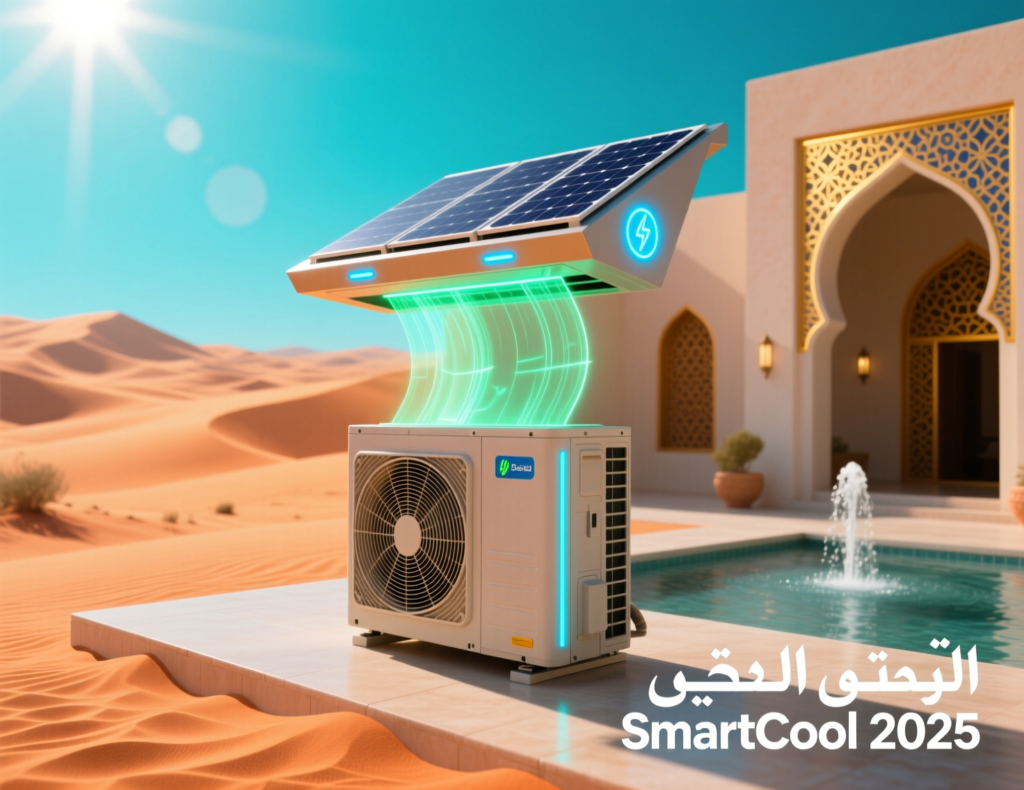
If smart AC control alone cuts a noticeable portion of your summer electricity bills, many owners see payback over a few years, especially when combined with better cloud and hosting choices similar to enterprise cloud cost optimization.
Trust, complexity and cultural considerations
Even with clear potential ROI, many families hesitate. Common concerns include:
Cameras in bedrooms or majlis areas
Language barriers for older relatives who prefer Arabic interfaces
The hassle of managing multiple apps and accounts for different brands
Landlord worries about damage to walls, ceilings or doors
Uncertainty about who can see live video or access stored recordings
These cultural and practical realities across Saudi, UAE, Qatar, Kuwait, Bahrain and Oman matter as much as price when you design a smart home Middle East roadmap.
Smart Home Ecosystem in Riyadh, Dubai and Doha
Smarta, Smart Homes, Butler and Vision 2030 housing projects
In Riyadh, local players like Smarta, Smart Homes and Butler (plus big retailers) offer Saudi smart home solutions for villas in new Vision 2030 housing projects and existing neighbourhoods. They often integrate with local ISPs, support Arabic interfaces, and are familiar with CST and NCA guidelines, giving families more confidence to deploy connected systems in Dammam, Jeddah and beyond.
MySmartHome, Smart Citizens and Dubai/Abu Dhabi smart communities
In the UAE, MySmartHome and similar firms focus on Dubai and Abu Dhabi smart communities, where new builds come pre-wired and retrofits are common in apartments. Showrooms in malls let customers test connected devices before ordering, and some bundle solutions with telecom operators a natural fit with Mak It Solutions’ broader web development services for digital customer journeys.
AutoHome and smart home installations for compounds and villas
In Doha, companies like AutoHome set up smart home packages for family compounds and expat villas, often emphasizing data security and local support. With GCP Doha and regional cloud options, many deployments can keep data close while integrating mobile apps, payment gateways and even fintech-style subscription models for ongoing service.
Action Plan for GCC Homeowners and Tenants
From first smart device to full home automation
Start small
Choose one priority (security camera, smart lock or AC control) and deploy it in a high-impact area like the main entrance or living room.
Stabilize Wi-Fi and cloud
Ensure good coverage and secure cloud accounts change default router passwords, use strong authentication and confirm where data is stored, similar to how CIOs design multi-cloud strategies in the Middle East.
Expand room by room
Add lighting, sensors and IoT-enabled appliances gradually, checking compatibility and Arabic support before every purchase. Document what you’ve installed so future upgrades stay manageable.
Security checklist before you connect anything to Wi-Fi
Before onboarding any device.
Change default passwords and admin usernames
Enable two-factor authentication wherever supported
Keep firmware and mobile apps updated
Segment guest devices and IoT devices where your router allows it
Turn off unused remote-access features
This mirrors best practices that regulators like NCA, TDRA and QCB promote in their cybersecurity and cloud guidance, even if they talk more often to banks than to homeowners.
When to bring in a certified integrator in Saudi, UAE or Qatar
If you’re wiring a whole villa, combining many brands or linking systems with custom apps or dashboards, it’s time to bring in a certified integrator. Teams like Mak It Solutions, with experience in cloud hosting, data localization and business intelligence services, can coordinate IoT platforms, apps and dashboards so your home doesn’t turn into a permanent troubleshooting project.
Conclusion Is Now the Right Time to Go Smart in the Middle East?
Key takeaways on adoption, safety and value for GCC households
Now is a good time to start or extend smart home projects in the Middle East especially in Saudi, UAE and Qatar as prices become more accessible and regulations mature. Starting with security and energy use cases gives the clearest value while keeping risk manageable for both owners and tenants.
How to future-proof your smart home for upcoming GCC regulations
To stay ahead of evolving CST, TDRA, QCB and broader GCC data rules, choose vendors who can explain where your data lives, how they encrypt it and how they update devices. Aligning your smart home Middle East setup with emerging cloud and localization patterns used by enterprises today will keep your home better aligned with tomorrow’s compliance expectations.
Shortlist vendors and design a pilot setup for your home
From Riyadh villas to Dubai apartments and Doha compounds, the smart home journey works best when you treat it like any digital project:
Define your goals and budget
Shortlist certified partners and platforms
Run a pilot in one zone or floor
Scale gradually once you’re confident in performance and support
As you do that, you can also explore Mak It Solutions’ multi-cloud content and web development with AI copilots to see how your home ecosystem could eventually tie into smarter services and dashboards.
If you’re planning a smart home in Saudi Arabia, the UAE or Qatar and want to get the tech, cost and compliance balance right, you don’t have to figure it out alone. Mak It Solutions can help you design cloud-ready, data-aware smart home platforms from mobile apps to dashboards and secure integrations.
Reach out to our team to discuss your villa, apartment or compound project and we’ll help you build a roadmap that fits your family, your budget and GCC regulations. (Click Here’s )
FAQs
Q : Is smart home technology allowed under Saudi CST and SALEEM rules for imported devices?
A : Yes, smart home technology is allowed in Saudi Arabia, but devices must comply with CST’s IoT Regulations and product safety schemes like SALEEM/SIRC. That means Wi-Fi cameras, smart locks and hubs should come from approved manufacturers and importers, not grey-market channels. When buying in Riyadh, Jeddah or Dammam, look for clear documentation of Saudi approvals and avoid unbranded devices with no update policy. This aligns with the wider Vision 2030 focus on secure digital infrastructure and consumer protection.
Q : How much does a basic smart home package cost in Dubai or Abu Dhabi for a two-bedroom apartment?
A : For a typical two-bedroom apartment in Dubai or Abu Dhabi, expect entry-level smart home packages to start around AED 1,500–3,000. That usually covers a couple of cameras, a smart lock or video doorbell, and some lighting or AC automation. Costs rise if you want premium brands, built-in touch panels or integration with building systems. Tenants often focus on devices they can easily remove when they move. This sits comfortably within the UAE’s broader smart city and TDRA-regulated connectivity landscape, where residents increasingly expect digital convenience without sacrificing security.
Q : Can tenants in Doha or Riyadh install smart home devices in rental apartments or compounds?
A : Most tenants in Doha or Riyadh can install simple, reversible smart devices like plug-in cameras, wireless sensors and Wi-Fi bulbs as long as they don’t damage walls or wiring. However, drilling for built-in panels, rewiring switches or changing door hardware may require landlord or compound approval. It’s wise to share your plans, highlight safety certifications and clarify what will be removed or left behind at the end of the lease. This cooperative approach fits with Qatar’s cloud and data protection mindset and Saudi Vision 2030 housing goals, both of which emphasize secure, modern living without creating conflicts between landlords and tenants. ([Qatar Central Bank][7])
Q : Which smart home systems offer the best Arabic language support for families in the Middle East?
A : Arabic support depends on both the platform and the vendor. Major ecosystems (like popular voice assistants and some global brands) now offer Arabic UI or voice in the region, but not always across every feature. For Middle Eastern families, the most comfortable setups combine Arabic mobile apps, local documentation and Arabic-speaking support teams. When evaluating systems in Riyadh, Dubai or Doha, ask to see the app in Arabic and test key flows with older family members before committing.
Q : Are Wi-Fi smart cameras safe to use in GCC homes, or should I avoid putting them inside bedrooms and majlis?
A : Technically, Wi-Fi smart cameras can be used safely if they come from reputable brands, are kept updated and follow cybersecurity practices (strong passwords, encryption, two-factor authentication). However, many GCC families choose not to place cameras inside bedrooms, private majlis areas or women-only spaces for cultural and privacy reasons. Instead, they focus on entrances, parking and perimeter zones. This approach is consistent with guidance from regional regulators and initiatives like Saudi NCA and TDRA, which stress data minimization and responsible monitoring even in private settings.