


Technical SEO Audit Template for 2025
If organic growth matters to your business, a technical SEO audit template you can run consistently matters even more. In 2025, Google’s Core Web Vitals now include Interaction to Next Paint (INP), replacing FID, so your audit must check responsiveness alongside crawlability, indexation, architecture, and structured data. This guide delivers a practical technical SEO audit template you can paste into your SOPs, assign to your team, and repeat quarterly.
We’ll keep every step actionable with tool tips (Search Console, PageSpeed Insights, Screaming Frog/Sitebulb), thresholds, and quick pass/fail checks plus two short case studies to show what “good” looks like. INP’s 2024 launch and Google’s clarifications on page experience make performance and UX signals hard to ignore, but they’re only one slice of a comprehensive audit.
How to Use This Technical SEO Audit Template (10-minute orientation)
Scope & cadence: Run this technical SEO audit template after major releases/migrations and at least once per quarter.
Evidence first: Log findings in a sheet (issue, evidence URL/screenshot, severity, fix owner, ETA).
Prioritize by impact:
Crawlability/indexation → critical errors (5xx/4xx/robots) → CWV/INP → duplication/canonicals → IA/internal links → schema.Tooling:
Google Search Console (Indexing, CWV), PageSpeed Insights (field & lab data), a crawler (Screaming Frog/Sitebulb), server logs (or log analyzer), and schema validators.
Deliverable:
a one-page summary of blockers & quick wins + a backlog with estimates.
Technical SEO Audit Template: Crawl & Indexation Foundation
Robots controls (robots.txt, meta robots, x-robots-tag)
Check:
robots.txtis reachable atdomain.com/robots.txt, UTF-8 text, no accidental disallow of key paths; don’t use robots to hide sensitive pages—usenoindex/auth.Why:
Robots is for crawl control, not de-indexing.Fix fast:
Remove stray disallows, ensure user-agents are explicit, and keep staging/preprod blocked.
XML sitemaps
Check:
Valid XML, under limits (≤50,000 URLs or ≤50MB uncompressed per sitemap), updated, only canonical 200/Indexable URLs, submitted in Search Console.Why:
Sitemaps aid discovery and refresh for large/dynamic sites.Fix fast:
Split by type (content hub, products, blog) and use a sitemap index.
Indexing status & reasons
Check:
Search Console → Indexing report for spikes in “Not indexed” and reason codes (Duplicate, Alternate page with canonical, Blocked by robots, Crawled – currently not indexed).Fix fast:
For each reason, add evidence and resolution (canonicals, internal links, renderability).
Canonicals & duplication
Check:
One canonical per cluster; avoid conflicting signals (canonical to A, internal links to B).Fix fast:
Self-ref canonicals on canonical pages; parameter variants canonicalize to clean URL.
Redirects & status codes
Check:
No 3xx chains/hops >1; eliminate 4xx/5xx except intended 410/451; homepage returns 200.Fix fast:
Replace chains with one 301; map legacy URLs after migrations.
Site Performance & Core Web Vitals (2025-ready)
Targets:
LCP ≤ 2.5 s, CLS ≤ 0.1, INP ≤ 200 ms (good thresholds).Measure:
PageSpeed Insights (field/lab), CrUX data, and your RUM if available.Quick wins:
Prioritize LCP resource (HTML discoverable,<link rel=preload>), reduce TTFB via CDN/edge, size images properly, stabilize layout with width/height, minimize long tasks, and reduce script cost.
Context:
INP officially replaced FID on March 12, 2024. If you still report FID, update dashboards and OKRs.
Mobile-First & Accessibility
Mobile parity:
Content/links structured the same across mobile/desktop.Hreflang on separate m/d URLs:
Mobile URLs reference mobile counterparts (and likewise desktop↔desktop) when usinghreflang.A11y checks:
Descriptive alt text, focus order, contrast; while not direct ranking factors, they support UX and conversions.
Information Architecture & Internal Linking
Check:
Depth: key pages within ≤3 clicks; hubs link to spokes; no orphan pages.Fix fast:
Add contextual internal links from high-authority pages to revenue pages; use breadcrumbs and clean pagination.
International & Multilingual SEO
Hreflang:
Implement correct language (en,es-MX) and optional region; include x-default for global selector pages; ensure reciprocal pairs and canonical alignment. Google for Developers+2Google for Developers+2When to use:
Separate URLs for each locale; avoid cookie/JS-only swaps.
Structured Data & Rich Results
Check:
Use JSON-LD; validate with Rich Results Test. Map content types (Article, FAQPage, HowTo, Product, LocalBusiness).Why:
Eligible for enriched appearances; not guaranteed.Fix fast:
Add required + recommended properties; don’t mark up hidden or misleading content.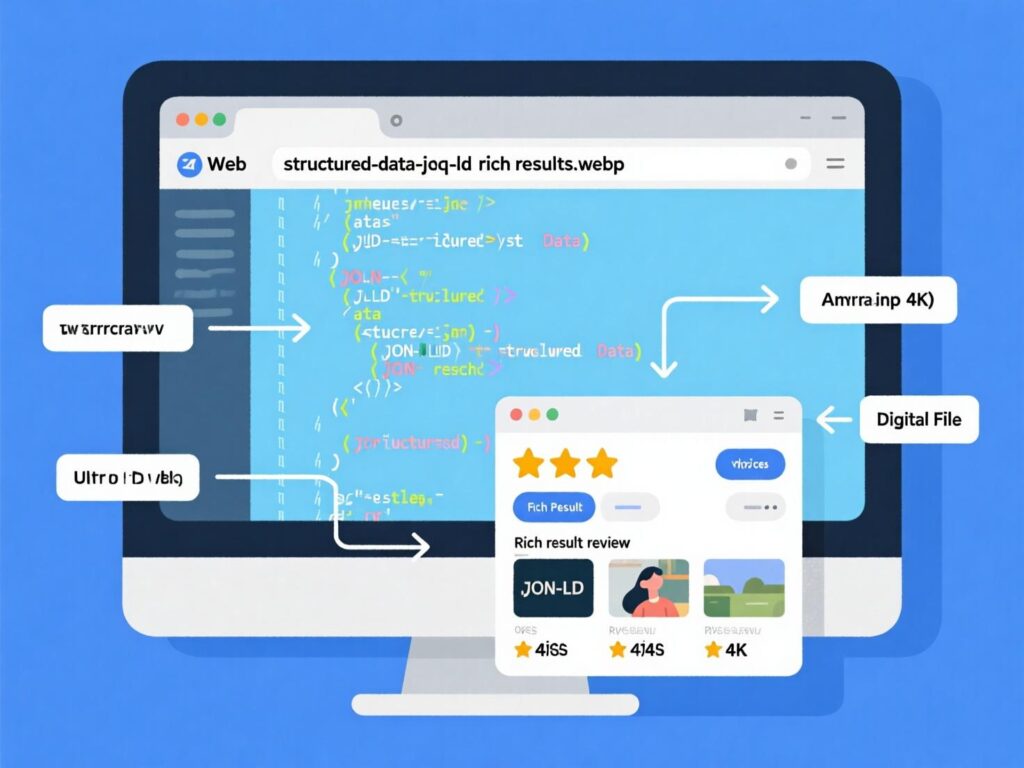
Security, UX & Analytics Plumbing
HTTPS:
Force HTTPS; fix mixed content.Errors:
Monitor 5xx spikes; fix 404s for live internal links; apply custom 404.Analytics:
Verify GA4 tag fires once; confirm Search Console ownership and sitemaps submitted; set up PSI API or Lighthouse CI for regression tracking.
Automation & Reporting
Dashboards: Export Search Console Indexing/CWV data; combine with crawler issues for a weekly health board.
APIs & jobs: PSI API for lab + field pulls; schedule crawls; log-file ingestion to monitor crawl budget.
What Changed Lately (and Why It’s in This Template)
INP is now a Core Web Vital (FID deprecated).
Update alerting and thresholds.Page Experience clarifications:
Google treats page experience elements as signals, not a standalone “ranking system,” but Core Web Vitals are used by ranking systems, so they still matter.
Two brief examples
Case study (Google/web.dev):
QuintoAndar reduced INP by ~80% and saw a 36% YoY conversion lift after a company-wide performance push—evidence that CWV optimization can drive business outcomes.Case set (web.dev compilation):
Various brands reported uplifts—e.g., Nykaa: 40% LCP improvement → +28% organic traffic in specific markets; Cdiscount: CWV improvements → +6% revenue during Black Friday.
Copy-Paste Checklist (short form)
Crawl/Indexation
Robots: safe rules; no accidental blocks.
Sitemaps: valid, canonical URLs only; submitted.
Indexing: resolve “Not indexed” reasons by class.
Canonicals: consistent; self-ref; params handled.
Redirects: 301 single hop; fix 4xx/5xx.
Performance (CWV)
LCP ≤2.5 s, CLS ≤0.1, INP ≤200 ms; prioritize LCP resource; reduce long tasks.
Mobile/IA
Mobile parity; depth ≤3 clicks; fix orphans; add breadcrumbs.
International
Hreflang pairs + x-default; canonical alignment.
Structured Data
JSON-LD valid; Article/FAQ/HowTo/Product as applicable; test with Rich Results Test.
HTTPS only; no mixed content; GA4/Search Console verified; PSI API optional.
To Sum Up
The technical SEO audit template above helps you isolate what truly blocks discovery, indexation, and rankings, then prioritize fixes that move the needle—faster pages, stable layouts, responsive interactions, clean canonicals, and machine-readable markup. Make it routine: run the crawl, review index reports, validate schema, and track CWV (including INP). Document, assign, and close the loop with regression tests. Use this technical SEO audit template as your team’s standard, and you’ll ship improvements predictably without bloated reports or unclear owners. Copy it, adapt it, and run it next sprint.
CTA: Want a filled-in version for your site? Paste your domain and I’ll return a prioritized audit outline you can action this week.
FAQs
Q : How do I run a technical SEO audit template on a large site (1M+ URLs)?
A : Sample by directory, analyze server logs to spot crawl waste, split sitemaps, and prioritize templates by traffic + revenue. Use crawl budget insights to fix infinite spaces and parameter traps.
Q : How does INP affect my 2025 audits?
A : INP replaced FID in March 2024; target ≤200 ms. Audit long tasks, event handlers, and main-thread blocking JS. Update dashboards and SLAs to INP.
Q : How can I improve Core Web Vitals quickly?
A : Inline/preload the LCP image, optimize TTFB (CDN, caching), set dimensions to prevent shifts, and break up long tasks. Test with PSI and field data.
Q : How do I fix “Crawled currently not indexed”?
A : Improve quality signals: unique content, better internal links from authoritative pages, ensure renderability, and avoid thin/duplicate pages. Use the Indexing report to confirm.
Q : How should I structure hreflang?
A : Provide correct language/region codes, reciprocal linking, canonical alignment, and x-default for selectors; test links and avoid mixed desktop/mobile references.
Q : How can I validate structured data?
A : Use the Rich Results Test; implement JSON-LD for Article/FAQ/HowTo/Product and follow general guidelines.
Q : How often should I run a technical SEO audit?
A : Quarterly for most sites; monthly for large/fast-changing catalogs. After migrations/releases, run immediately.
Q : How do I report audit progress to stakeholders?
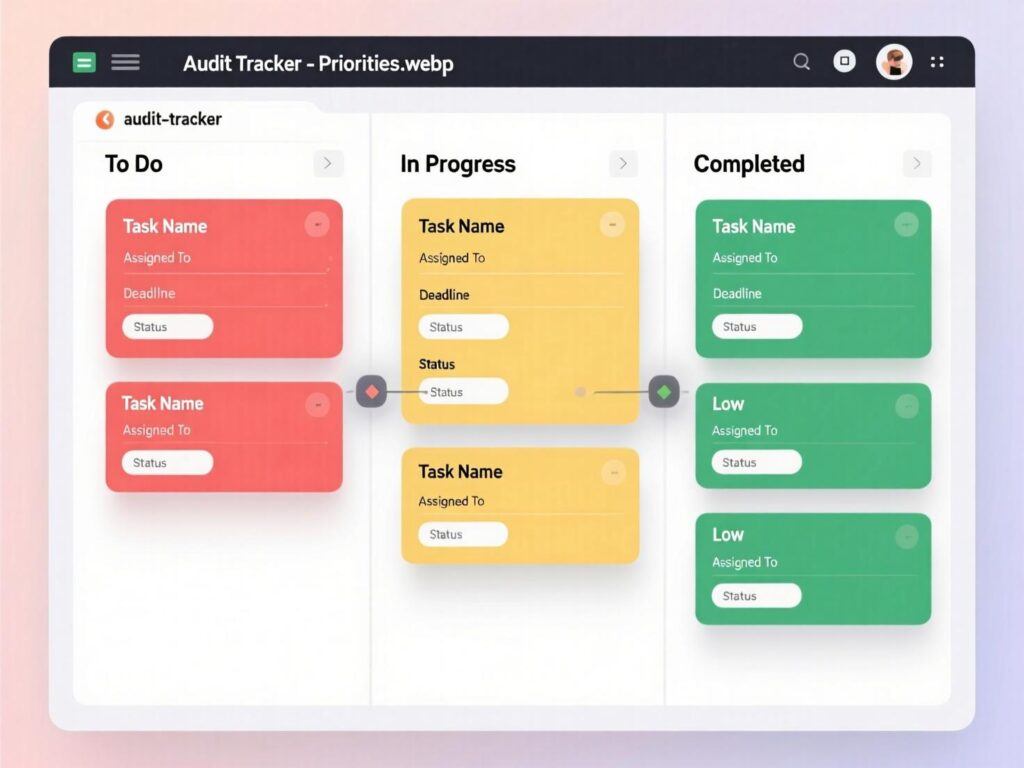
A : One-page summary (top 5 blockers, owner, ETA) + a Kanban board for fixes. Track CWV pass rate and % of indexable URLs with 200+canonical.