


Women in Tech Middle East: Leaders Breaking Barriers
Women in Tech Middle East: Leaders Breaking Barriers
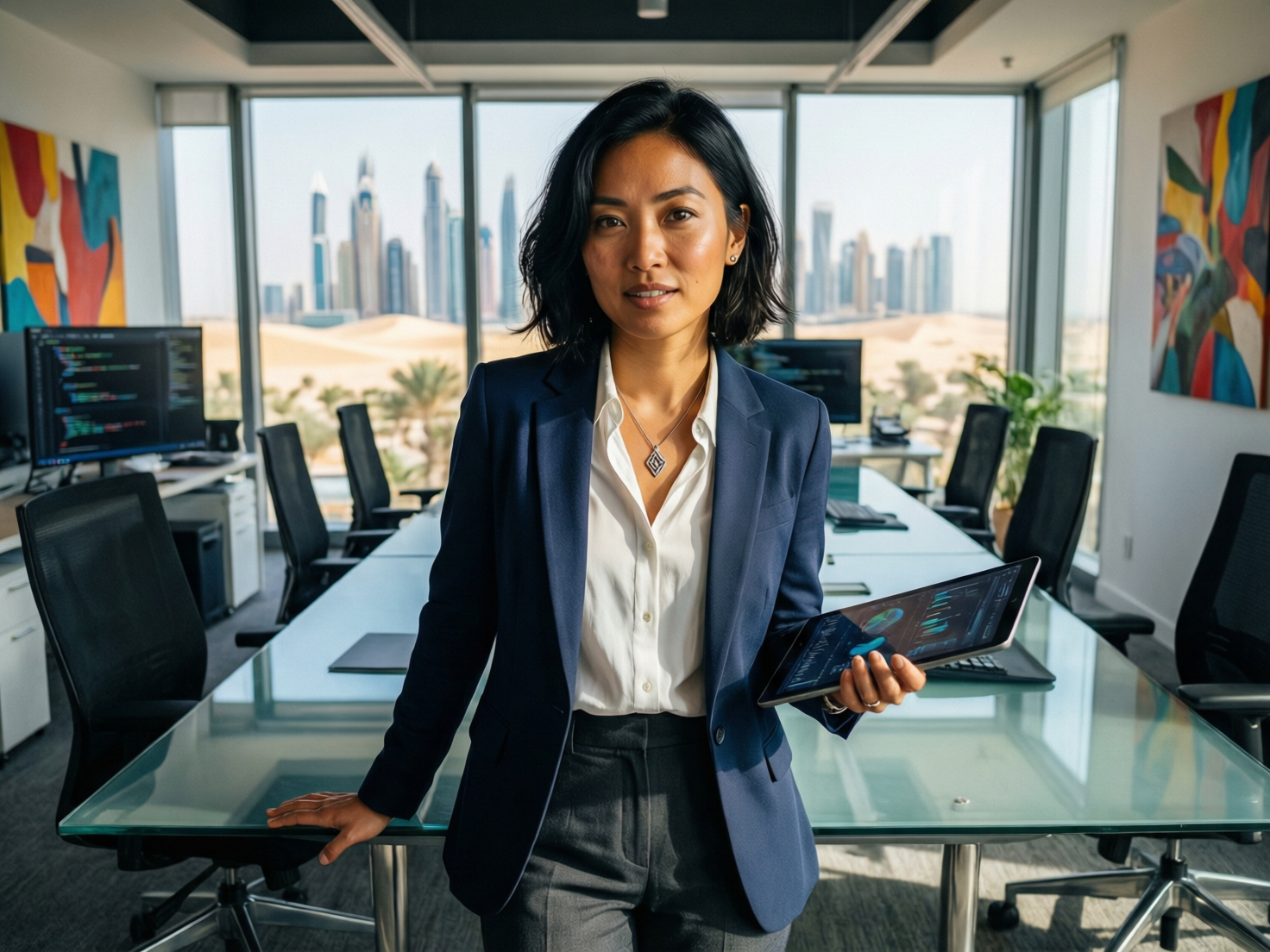
Women in Tech Middle East: Leaders Breaking Barriers
Women in Tech Middle East are now leading digital change across Saudi Arabia, the UAE and Qatar, backed by national visions, accelerators and more inclusive employers. For GCC women, one of the fastest routes into tech is combining strong STEM education with mentorship, women-focused programs and workplaces built around flexible, family-aware policies that support long-term careers.
Introduction
Women in Tech Middle East are no longer “emerging” they are already leading fintech, AI, cloud and e-commerce teams across Riyadh, Dubai, Abu Dhabi and Doha. At the same time, many still navigate bias, limited networks and cultural expectations while building ambitious tech careers.
This guide zooms in on Saudi, UAE and Qatar, with GCC-wide signals from Bahrain, Kuwait and Oman. You’ll see what’s really changing, where the gaps remain, which programs support women founders, and how employers can design inclusive pipelines plus practical next steps for women, allies and organisations.
Women in Tech Middle East.
Key stats on women in STEM and ICT across GCC
Across the Gulf, women are already strong in STEM education. In the UAE, over half of government university STEM graduates are women, and in some studies Emirati women make up around 60% of STEM grads. In Qatar, women now account for more than half of STEM graduates and over half of engineering students.
Saudi Arabia has moved quickly as well. Women’s participation in the ICT workforce has jumped from single digits to roughly a third of roles within a decade, outpacing many European markets and creating a deeper bench for Women in Tech Middle East careers.
How Saudi, UAE and Qatar are shifting the narrative
Saudi Vision 2030, the UAE’s gender-balance agenda and Qatar’s digital strategy all treat women as core tech talent, not a side initiative. Reforms around workforce participation, entrepreneurship, startup visas and digital infrastructure have opened doors in fintech, cloud and AI, especially in Riyadh, Dubai and Doha.
For women in tech in the Middle East, these policies mean more scholarship programs, digital academies, sandbox licences and public-sector roles that explicitly welcome women applicants not just generic “diversity statements”.
Why visibility of women tech leaders matters for GCC youth
When a girl in Jeddah or Sharjah sees a hijabi CTO presenting at LEAP or Web Summit Qatar, “women in tech” stops being a slogan and becomes a career map. Arab women in innovation and AI show that it’s possible to found a startup, lead a product team or sit on a fintech board while staying rooted in GCC culture and values.
Role models also shape family and community perceptions. When parents can point to successful Women in Tech Middle East leaders from Saudi, UAE or Qatar, they are more likely to support daughters choosing engineering, computer science or product careers.
What’s Really Changing for GCC Women in Tech
Women in the Middle East tech sector still face three big barriers to senior roles: limited access to informal networks, persistent bias in promotion decisions and assumptions about mobility or family responsibilities. At the same time, Saudi Arabia’s Vision 2030 is expanding opportunities by raising female workforce participation, funding digital skills and actively backing women founders through national programs and events like LEAP in Riyadh.
Structural and cultural barriers to senior tech roles in the Middle East
Promotion to CIO, CPO or VP Engineering still often happens in closed rooms or via “wasta-heavy” networks. Women report being filtered out for travel-heavy roles, asked more about family plans than technical strategy, and excluded from late-night dealmaking or mixed-gender networking.
In some GCC cities, women are still under-represented in investor circles, making fundraising harder for women founders in fintech and healthtech. Even when women have strong technical credentials, a lack of sponsorship and visibility can slow their path to senior P&L roles.
How Saudi Vision 2030 is opening doors in digital and entrepreneurship
Vision 2030 has pushed ministries, banks and telcos to hire and promote Saudi women in ICT, cybersecurity and digital government, and to back female tech entrepreneurs through funds and sandboxes. Women now lead teams in open banking, digital payments and government tech, supported by SMEA, Monsha’at and SAMA’s fintech sandbox.
For Women in Tech Middle East, Saudi Arabia’s approach shows how national visions can translate into real jobs and founder support: subsidised training, co-working spaces, easier licensing and investor exposure at events like LEAP.

Why progress is uneven across Saudi, UAE, Qatar and wider GCC
Dubai and Abu Dhabi are ahead in venture capital and global tech HQs, while Riyadh is scaling national platforms in payments, logistics and cloud. Doha is rapidly building a digital cluster around Web Summit Qatar and Qatar Foundation. Smaller markets like Bahrain, Kuwait and Oman are creating incentives, but sector depth varies — so a woman AI engineer may find far more roles in Riyadh or Dubai than in Muscat today.
This uneven landscape means Women in Tech Middle East often build cross-border careers: studying in one GCC country, interning in another and later joining a regional or global team that spans Saudi, UAE and Qatar.
Celebrating GCC Women Tech Leaders.
Saudi women tech CEOs, CIOs and founders leading Vision 2030 industries
In Riyadh, Saudi women now helm fintech products built on Open Banking KSA, lead AI teams inside major banks, and run SMEs building logistics platforms and e-commerce tools. In Jeddah, women product leaders are improving Arabic-first UX for retail, healthtech and travel apps, ensuring inclusive design for women users.
These leaders are reshaping what Women in Tech Middle East careers look like: not just coding roles, but also C-suite positions, board seats and policy advisory roles inside Vision 2030 flagship projects.
Emirati women powering Dubai and Abu Dhabi’s innovation economy
In Dubai and Abu Dhabi, Emirati women are visible in AI ethics, smart city platforms and the national digital identity stack (such as UAE Pass). Many act as female tech entrepreneurs in the Middle East, building SaaS, martech and e-commerce brands that export across MENA while sitting on advisory councils and innovation funds.
They also play a growing role as angel investors and limited partners, backing the next generation of women-led startups from Sharjah to Ras Al Khaimah.
Qatari women driving digital innovation and AI from Doha
In Doha, Qatari women lead AI labs, digital government programs and sports-tech startups, often showcased at Web Summit Qatar women-in-tech tracks and female founders panels.Their work on Qatar Digital ID, cloud security and Arabic NLP models makes them powerful role models for Gulf girls considering engineering.
As Web Summit Qatar grows, more Women in Tech Middle East will see Doha as a place to launch or scale AI, cybersecurity and sports-tech ventures.
Ecosystem Support: Programs, Accelerators and Events for Women in Tech Middle East
Accelerators like Futuremakers Women in Tech and Women in Tech Saudi Arabia give women-led startups mentorship, investor access and tailored training so they can navigate bias, refine their business models and actually secure capital in Saudi Arabia and the wider region.
Women in Tech Saudi Arabia, Futuremakers and LEAP in Riyadh
Futuremakers Women in Tech, run with Falak Investment Hub, offers an eight-week journey of mentorship, investor readiness and ecosystem exposure for women founders across KSA. LEAP in Riyadh amplifies this with stages, side-events and deal rooms specifically spotlighting women founders in fintech, healthtech and climate tech.
For founders, the combination of a structured program and a high-visibility conference can compress years of networking and learning into a few focused months.
UAE accelerators, SRTIP forums and startup hubs backing women founders
In Dubai and Abu Dhabi, women founders plug into DIFC and ADGM fintech sandboxes, SRTIP forums in Sharjah, and corporate accelerators run by banks, telcos and global tech firms. These hubs often co-host women-in-tech awards, pitch days and training ideal for Emirati ladies exploring jobs in the technology sector in Dubai or testing a new payments or edtech idea.
Co-working spaces across Dubai Internet City, Abu Dhabi Global Market and Sharjah Research Technology and Innovation Park (SRTIP) also host regular Women in Tech Middle East meetups, making it easier to tap into mentors and peers.
Web Summit Qatar and GCC-wide women-in-tech networks
Web Summit Qatar brings women technologists from across GCC, Africa and Europe to Doha, with women-in-tech tickets, lounges and panels. (Web Summit Qatar) Regional Slack groups, WhatsApp communities and LinkedIn circles then keep Saudi, Emirati, Qatari, Bahraini and Kuwaiti founders connected long after the event.
For many Women in Tech Middle East leaders, these digital communities become “always-on accelerators” where they share investor intel, trusted vendors and relocation tips across Riyadh, Dubai and Doha.
Careers, Skills and Community.
In-demand roles for GCC women.
For women in ICT and digital transformation leadership, the hottest roles in Riyadh, Dubai and Doha include product management, data science, AI/ML engineering, cloud architecture, cybersecurity and fintech operations. Government, logistics, e-commerce and health providers all need bilingual (Arabic + English) talent who understand local regulations and user expectations.
From university to bootcamps.
Women coming from STEM degrees can layer bootcamps in full-stack development, AI or UX design, while mid-career professionals in HR, finance or education can reskill into product, data or no-code roles. Many national scholarship schemes, CSR-funded academies and private coding bootcamps now offer women-only cohorts or hybrid options that respect family commitments.
In Saudi Arabia, the UAE and Qatar, it’s increasingly common to see Women in Tech Middle East combining evening classes, weekend hackathons and remote freelance projects to build portfolios that impress GCC employers.
Finding your tribe.
Across Riyadh, Dubai and Doha, women-only meetups, cloud community groups and cybersecurity circles make it easier to network safely and authentically. Online, GCC women lean on Telegram, Slack and Discord spaces to swap job leads, discuss salaries and navigate relocation to hubs like AWS Bahrain, Azure UAE Central or GCP Doha regions.
Having a supportive peer group matters as much as technical skills. Many Women in Tech Middle East credit their first promotion or funding round to a warm introduction from these communities.
Building Inclusive GCC Tech Companies and Leadership Pipelines
Six practical steps GCC tech companies can take to support women in tech
Set clear goals and metrics
Define targets for gender diversity in hiring, promotion and leadership, then publish regular dashboards so progress is visible and accountable.
Offer flexible, family-aware work models
Normalize hybrid work, core-hours scheduling and returnship programs so women (and men) can re-enter after caregiving breaks without stigma.

Design fair hiring and promotion processes
Use structured interviews, diverse panels and transparent promotion criteria to reduce bias in senior tech roles.
Invest in skills and sponsorship, not just mentoring
Pair women with senior sponsors who can actively recommend them for stretch roles, board seats and cross-border projects.
Build compliant, trusted products for women users
In fintech, healthtech or edtech, align with SAMA, TDRA, NDMO, QCB, ADGM and DIFC rules on data privacy, KYC and data residency; hosting in GCC cloud regions (such as AWS Bahrain or GCP Doha) can support compliance. (SAMA)
Celebrate women leaders visibly
Feature women developers, PMs and founders in marketing, at conferences and on your careers pages so girls across the Gulf can recognise themselves in tech.
Real GCC examples include a Riyadh fintech startup, regulated by SAMA, with a Saudi woman CPO; a Dubai e-commerce brand co-founded by an Emirati engineer and supported by Mak It Solutions mobile app development services for inclusive UX; and a Doha SME using regional cloud and strong data governance to build a women-focused health platform.
Governance, boards and gender diversity metrics across GCC corporates
Large listed companies in Saudi and the UAE are slowly adding women to their boards and publishing gender metrics, but tech startups often lag. Investors and regulators can accelerate change by linking access to sandboxes, grants and scale-up programs to diversity and inclusion reporting.
For ecosystem builders focused on Women in Tech Middle East, nudging portfolio companies to track and publish simple gender metrics can be a powerful first step.
Compliance, data ethics and trusted products for women users in fintech and digital
Women-focused fintech or health apps must handle particularly sensitive data. Aligning with SAMA’s rulebook, the UAE’s TDRA guidance and QCB’s fintech frameworks helps founders design secure onboarding, consent and data-sharing flows from day one, rather than patching compliance later.
This overview is not legal, regulatory or financial advice. Women in Tech Middle East founders should always validate requirements with local counsel, regulators or trusted ecosystem partners before launching regulated products.
The Future of Women in Tech in the Middle East: 2030 and Beyond
What 2030 could look like for women in Gulf tech and AI
By 2030, Saudi, Emirati and Qatari women could be over-represented in AI research, product and STEM leadership compared to global averages, given today’s STEM graduation rates and national AI investments. If current trends hold, Women in Tech Middle East may be leading not only GCC initiatives, but also global teams headquartered in Riyadh, Dubai or Doha.

Why cross-border collaboration across Saudi, UAE, Qatar and wider GCC is key
Joint sandboxes, cross-listed funding schemes and shared women-in-tech councils could let a founder move from Riyadh to Dubai to Doha without starting over. Bahrain, Kuwait and Oman can plug into this by specialising in niches like Islamic fintech, logistics or green tech and integrating their hubs into GCC-wide talent and funding flows.
How readers women, allies and organisations can support the next generation
Women can share their stories, mentor juniors and say yes to visible roles; allies can recommend women for key projects, not just “culture” committees. Organisations can partner with inclusive agencies like Mak It Solutions to design digital products and platforms that reflect women’s needs and languages across the Gulf.
If you work in HR, product, policy or VC, you are already part of the Women in Tech Middle East story the question is whether your decisions open doors or keep them closed.

Women in Tech Middle East are not a future promise they are already coding, architecting, founding and investing across Saudi, UAE, Qatar and the wider Gulf. The next leap is building systems, companies and regulations that match their ambition.
Whether you’re a founder, CHRO or ecosystem builder, you can choose to design tech that includes women at every level: from user research and product design to boards and policy tables.
If you’re planning a women-friendly app, platform or data product for GCC markets, you don’t have to figure it all out alone. The team at Mak It Solutions can help you design, build and scale compliant digital products that work for real women users in Riyadh, Dubai, Abu Dhabi and Doha. Explore our services overview, or reach out to co-create a GCC-ready strategy for your next fintech, AI or e-commerce project.
FAQs
Q : Are women allowed to found and own tech startups in Saudi Arabia, the UAE and Qatar?
A : Yes. In Saudi Arabia, the UAE and Qatar, women can legally found, own and manage tech startups; thousands already run software, e-commerce and fintech companies registered in free zones or onshore. In practice, you still need to follow normal company law, licensing and sector rules (for example, fintechs working under SAMA in KSA or QCB in Qatar). Most incubators, ADGM and DIFC hubs, and national SME programs explicitly welcome women founders. If you’re unsure about your sector, it’s wise to speak with a local lawyer or startup hub for up-to-date regulatory guidance.
Q : Can hijabi women developers and engineers work in mixed-gender tech teams in Riyadh or Dubai?
A : In both Riyadh and Dubai, hijabi women already work in mixed-gender teams across government, banks, unicorns and global tech companies. Workplace policies now typically include anti-harassment rules and codes of conduct aligned with Saudi Vision 2030 and the UAE’s labour reforms, giving women more protection and recourse than in the past. Many offices offer women-only prayer rooms, flexible dress codes and hybrid work options. As always, culture varies by employer, so women should look for clear HR policies, visible women leaders and inclusive interview processes before accepting an offer.
Q : What support exists for mid-career GCC women who want to switch into software, AI or product roles?
A : Mid-career women in accounting, HR, operations or education increasingly use bootcamps, part-time diplomas and online nano-degrees to move into software engineering, data or product management. In Saudi Arabia, Vision 2030 has inspired a wave of government-linked academies and scholarships focused on coding, cloud and cybersecurity; similar initiatives exist under TDRA-linked programs in the UAE and digital skills funds in Qatar. Many accelerators and NGOs run women-only reskilling cohorts or “returnships” aimed at mothers returning to the workforce. The most effective path combines structured learning with real projects, mentors and a portfolio that speaks to GCC employers.
Q : Do regulators like SAMA, TDRA and QCB have specific guidelines that impact women-led fintech startups?
A : Regulators such as SAMA (Saudi), TDRA (UAE, for digital and telecom) and QCB (Qatar) don’t usually create separate fintech rules “for women founders,” but their frameworks strongly affect women-led startups working in payments, lending or digital ID. For example, SAMA’s rulebook covers licensing, KYC, open banking and sandbox participation, which determine how inclusive your financial app can be for women with different ID or income profiles. TDRA and QCB regulate data protection, digital services and cross-border data flows that matter for women-focused apps. Understanding these rules early helps founders design compliant, trusted products from day one.
Q : Are there remote or hybrid tech jobs in GCC that suit women balancing work, family and further study?
A : Yes. Since COVID-19, remote and hybrid roles have become far more common across GCC tech, especially in software development, product, UX, data and digital marketing. Many Saudi and Emirati employers now advertise hybrid policies that support Vision 2030 workforce goals and national gender-balance strategies. Some multinationals allow fully remote roles from cities like Jeddah, Sharjah or Al-Khor, paired with occasional travel to Riyadh or Dubai. Women balancing family and study should look for companies with clear flexibility policies, output-based performance reviews and supportive managers not just a “remote friendly” label in the job ad.