


Headless vs Traditional CMS for GCC Websites
Headless vs Traditional CMS for GCC Websites

Headless vs Traditional CMS for GCC Websites
Choosing between headless vs traditional CMS is no longer a purely technical decision for GCC businesses. In Saudi Arabia, the UAE, and Qatar, your CMS affects Arabic UX, bilingual publishing, SEO, compliance, and how easily your team can scale across web, apps, and campaigns.
For most GCC teams, headless CMS is the stronger option when you need custom Arabic experiences, structured multilingual content, app integration, and tighter governance. A traditional CMS is still the better fit when your priority is speed, editor simplicity, and lower implementation cost.
Why the Headless vs Traditional CMS Decision Matters in the GCC
In 2026, GCC websites are expected to do more than present company information. They need to support Arabic-first journeys, English content, mobile performance, campaign agility, and in some sectors, stricter governance requirements.
That is why the headless vs traditional CMS question matters so much for businesses in Riyadh, Jeddah, Dubai, Abu Dhabi, and Doha. The right choice depends less on hype and more on how your team works day to day.
A good CMS for the GCC should support.
Arabic RTL layouts without friction
Smooth bilingual or multilingual publishing
SEO-friendly page structures
Fast performance on mobile
Clear workflows for editors, marketers, and developers
Compliance and hosting considerations for sensitive sectors
What Is the Difference Between Headless and Traditional CMS?
Traditional CMS: content and frontend in one system
A traditional CMS, such as WordPress, manages content, templates, and frontend presentation inside one platform. Editors can log in, update pages, publish blog posts, and manage media without relying heavily on developers.
That simplicity is exactly why traditional CMS platforms remain popular across the GCC, especially for SMEs and service-based businesses.
Headless CMS: content separated from presentation
A headless CMS stores content in the backend and delivers it through APIs to different frontends. That frontend could be a website, mobile app, portal, kiosk, or campaign microsite.
This setup gives digital teams more control over design, speed, content reuse, and multilingual delivery.
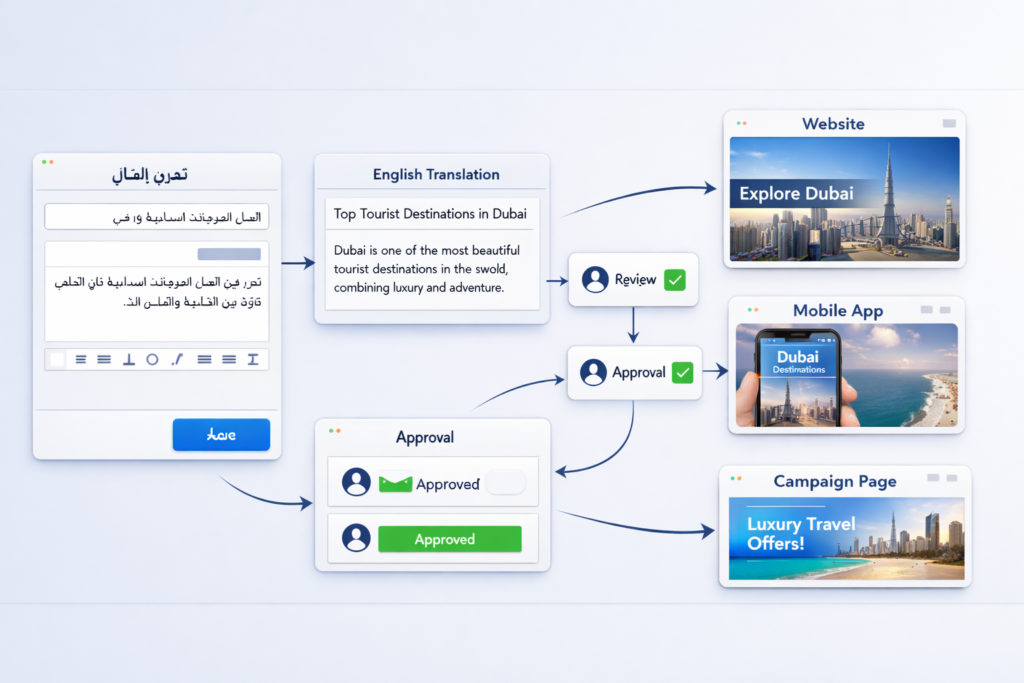
Why this matters for Arabic-first websites
For Arabic-first and bilingual GCC websites, this difference shows up quickly in real projects. RTL flexibility, localization workflows, reusable content blocks, and app integration are usually easier to manage in a headless environment.
A traditional CMS is easier to launch. A headless CMS is often easier to scale.
Why GCC Businesses Compare Headless vs Traditional CMS
Saudi, UAE, and Qatar businesses rarely run a single-language, single-channel website for long. A company may begin with one corporate site, then expand into landing pages, mobile apps, customer dashboards, or region-specific campaigns.
That growth creates pressure in a few areas.
Arabic RTL and bilingual publishing
Arabic and English content are not always direct translations. In practice, GCC teams often adapt CTAs, service descriptions, legal wording, and campaign messages by market.
Your CMS needs to handle that cleanly, without turning every update into a manual workaround.
Multi-market growth
A brand may launch in Saudi Arabia first, then add UAE-focused landing pages and Qatar-specific campaigns. Once that happens, governance and content structure start to matter much more.
Omnichannel content delivery
If one team needs to publish content once and distribute it across web, apps, portals, and campaign pages, headless becomes more attractive. That is especially true in fintech, retail, logistics, and enterprise environments.
When a Traditional CMS Is the Better Fit for GCC Teams
Traditional CMS platforms still make sense for many GCC businesses. In fact, they are often the most practical choice when the website is the main channel and the team needs speed more than architectural flexibility.
Best for SMEs and marketing-led teams
A traditional CMS is usually the better fit when you need.
A business website with service pages and blogs
Easy page editing for non-technical teams
Faster launch timelines
Lower initial development cost
Simpler maintenance
For a Dubai consultancy, a Jeddah clinic, or a Doha SME, this can be the right answer.
Why WordPress still works well
WordPress remains relevant because it is familiar, affordable, and relatively easy to hand over to internal marketing teams. For many Arabic business websites, that matters more than technical elegance.
You can also strengthen performance and content quality with the right setup and support.
Where traditional CMS starts to struggle
Traditional CMS platforms can become harder to manage when you need.
Complex multilingual governance
App and portal integration
Structured content reuse
Highly customized Arabic UX
Cleaner separation between content and frontend teams
That does not mean traditional CMS is weak. It means it has a clearer ceiling.
When Headless CMS Is the Better Choice in Saudi, UAE, and Qatar
Headless CMS is usually the stronger choice when content needs to move across channels and when frontend performance, flexibility, and governance matter more.
Better for custom Arabic UX
Arabic UX often needs more than a translated template. It may require different layouts, better typography handling, RTL-specific interactions, and localized content blocks.
A headless setup gives teams more freedom to build those experiences properly.
Better for apps and omnichannel delivery
If your business serves users through a website, mobile app, customer portal, and campaign pages, a headless CMS helps create one structured source of truth for content.
That is useful for.
Enterprise websites
Fintech platforms
E-commerce ecosystems
Logistics dashboards
Government-connected service delivery
Teams exploring this path often also need stronger frontend execution. Front-end development services mobile app development services React Native development services
Better for structured content and AEO
As search becomes more answer-driven, structured content matters more. A headless CMS makes it easier to organize FAQs, services, locations, metadata, and reusable content entities in a way that supports AEO and scalable publishing.
That does not guarantee rankings on its own, but it creates a cleaner foundation.
SEO, AEO, and Arabic UX Considerations
Your CMS choice affects much more than content editing. It can shape how well your site performs in search, how easily you implement schema, and how strong the Arabic user experience feels.
SEO and metadata control
A weak CMS setup can create.
Duplicate Arabic and English URLs
Slow templates
Inconsistent metadata
Hard-to-manage schema
Indexing problems across language versions
For GCC websites, technical SEO needs to be built into the platform decision early.
Why structured content supports AEO
Search experiences are shifting toward direct answers, entity understanding, and AI-generated summaries. Structured content gives search systems clearer signals about your services, FAQs, locations, and offerings.
That is one reason headless often works well in larger content ecosystems.
Arabic UX still decides the real outcome
Architecture alone is not enough. Many GCC businesses learn this the hard way. A technically advanced stack still fails if the Arabic experience feels awkward.
Your team still needs to get these basics right.
RTL layout behavior
Arabic typography readability
Localization quality
Accessible forms and navigation
Mobile usability in both languages
Strong design support matters here.
GCC Compliance, Data Residency, and Governance
For some organizations, the headless vs traditional CMS choice is not mainly about design or speed. It is about governance.
Saudi Arabia
Saudi teams in fintech and other sensitive sectors often need stronger control over workflows, auditability, and data handling expectations. That makes CMS architecture a strategic decision, not just a publishing one.
UAE
In the UAE, accessibility expectations, digital service standards, and regulated business environments can push teams toward more structured and controlled implementations. This becomes even more important when websites expand into portals or service-led user journeys.
Qatar
In Qatar, the same pattern appears in regulated or framework-driven projects. Teams may need secure, standards-led delivery with room for multilingual publishing and future integrations.
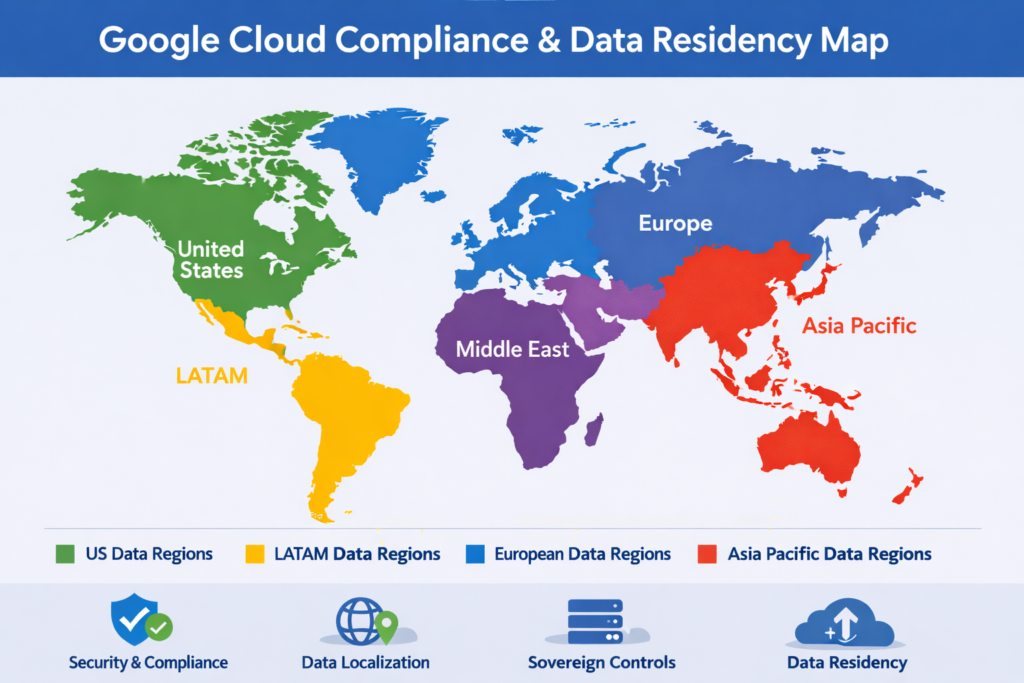
Data residency and cloud planning
Hosting strategy also matters in the GCC. Many businesses now think about architecture alongside cloud-region availability, especially when long-term scale or governance is part of the roadmap.
From a practical point of view, this is where headless can become easier to justify: not because it is trendy, but because it aligns better with structured delivery and long-term control.
Cost, Team Structure, and Implementation Reality
Cost is where many teams hesitate, and fairly so.
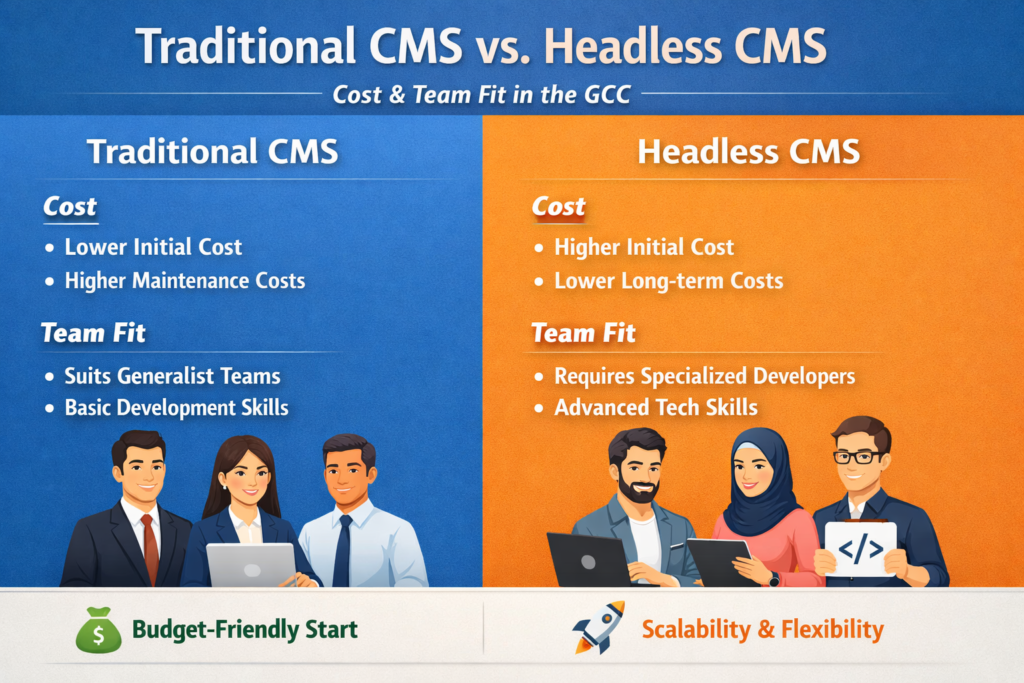
Traditional CMS usually costs less upfront
A traditional CMS is generally faster and cheaper to launch. You are often working within an established theme or templating system, with fewer moving parts and less frontend engineering overhead.
That makes it attractive for startups, SMEs, and businesses that want to move quickly.
Headless usually costs more at the start
Headless costs more upfront because the frontend is built separately and usually needs stronger developer involvement, better content modeling, and closer planning between technical and content teams.
Still, the extra cost can pay off when you need:
Multiple digital touchpoints
Better long-term scalability
Stronger governance
More reusable content
Greater frontend control
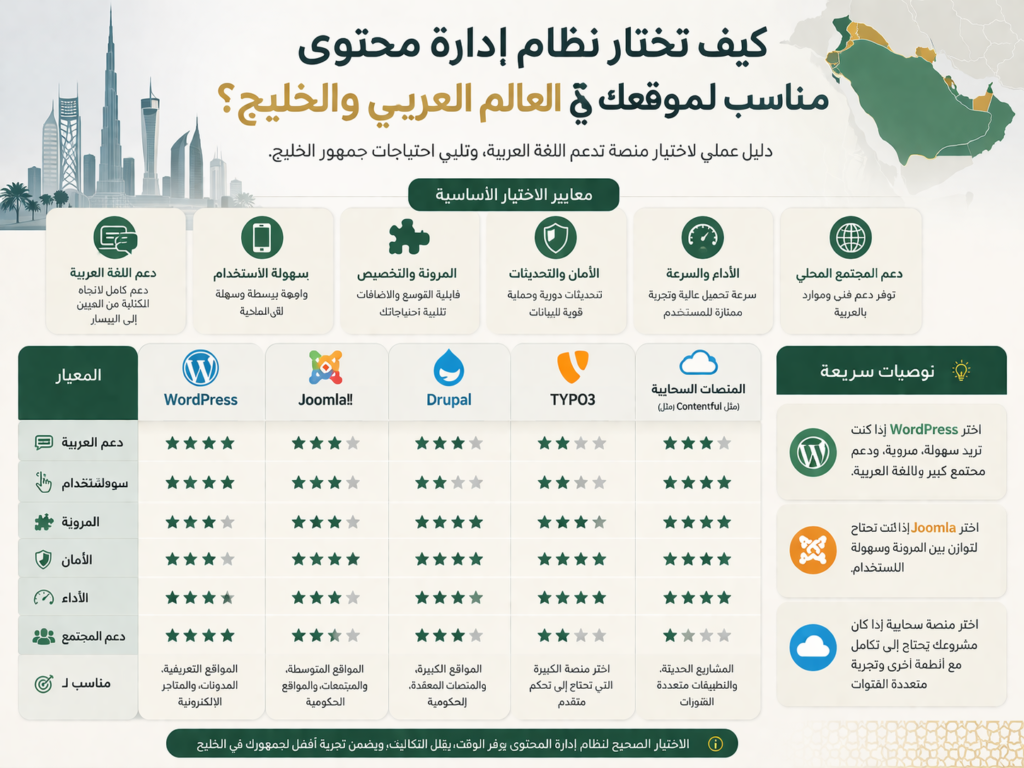
How to Choose the Right CMS for Your GCC Website
The best way to decide is to ignore the buzzwords and look at your operating reality.
Choose a traditional CMS if.
Your main priority is launching a strong bilingual website quickly
Your editors need a simple visual workflow
You do not yet need app or portal integration
Your budget is tighter in the short term
Your technical team is small
Choose a headless CMS if.
You need custom Arabic UX
You plan to publish across multiple channels
You need structured content reuse
Your frontend needs more control and speed
Governance and scalability matter from day one
Use this GCC-focused checklist
Before making the final decision, review these four areas.
Arabic UX quality
Can your chosen setup handle RTL layouts and localization properly?
Compliance needs
Does your sector require stronger workflow control or clearer governance?
Hosting and cloud region
Does your architecture align with your preferred regional setup?
Growth over the next 2 years
Will you remain website-only, or expand into apps, portals, and campaigns?
That checklist usually leads to a better answer than comparing feature lists alone.
Final Take
The best answer to headless vs traditional CMS depends on what your GCC business is actually trying to achieve.
If you need a manageable bilingual website with fast publishing and lower implementation cost, a traditional CMS is often the smarter fit. If you need custom Arabic UX, omnichannel delivery, stronger content governance, and room to scale across Saudi Arabia, the UAE, and Qatar, headless is usually the better long-term choice.
The key is to choose based on operational needs, not market noise.
If your team is evaluating platform direction, start with an architecture audit that looks at Arabic UX, SEO, compliance, hosting, and future channel expansion. That is where the right CMS decision becomes much clearer.( Click Here’s )
FAQs
Q : Is headless CMS better for Arabic websites in Saudi Arabia?
A : Often, yes, especially when the business needs more than standard page publishing. Headless is usually stronger for custom Arabic UX, app integration, multilingual content reuse, and tighter governance. For a simpler Saudi business website, WordPress or another traditional CMS may still be more practical.
Q : Does WordPress still work well for UAE bilingual websites?
A : Yes. For many UAE businesses, especially SMEs and service firms, WordPress remains a sensible option. It is easier for editors, faster to launch, and usually more cost-effective when the site does not require advanced integrations or omnichannel delivery.
Q : What is the best CMS for a Qatar regulated-sector website?
A : There is no single best CMS for every project. In regulated or high-complexity environments, the best option is usually the one that supports governance, structured content, accessibility, and secure long-term delivery. In many cases, that points toward headless.
Q : Which CMS is easier for Arabic content editors in the GCC?
A : Traditional CMS platforms are usually easier for editors because the workflow is more visual and page-based. Headless can still be editor-friendly, but only when the content model is designed with real editorial needs in mind.
Q : Can headless CMS support RTL, Arabic SEO, and multilingual publishing together?
A : Yes. A well-implemented headless CMS can support all three very effectively. The advantage comes from structured content, frontend flexibility, and cleaner localization workflows, not from the word “headless” alone.