
SEO for AI Search: AEO, GEO & AI Overview Strategy
SEO for AI Search: AEO, GEO & AI Overview Strategy
SEO for AI Search: AEO, GEO & AI Overview Strategy
Search behavior is changing fast, and SEO for AI search now means more than winning a blue-link ranking. In 2026, brands need content that can rank in traditional search, appear in AI Overviews, and earn citations from answer engines without losing sight of conversions.
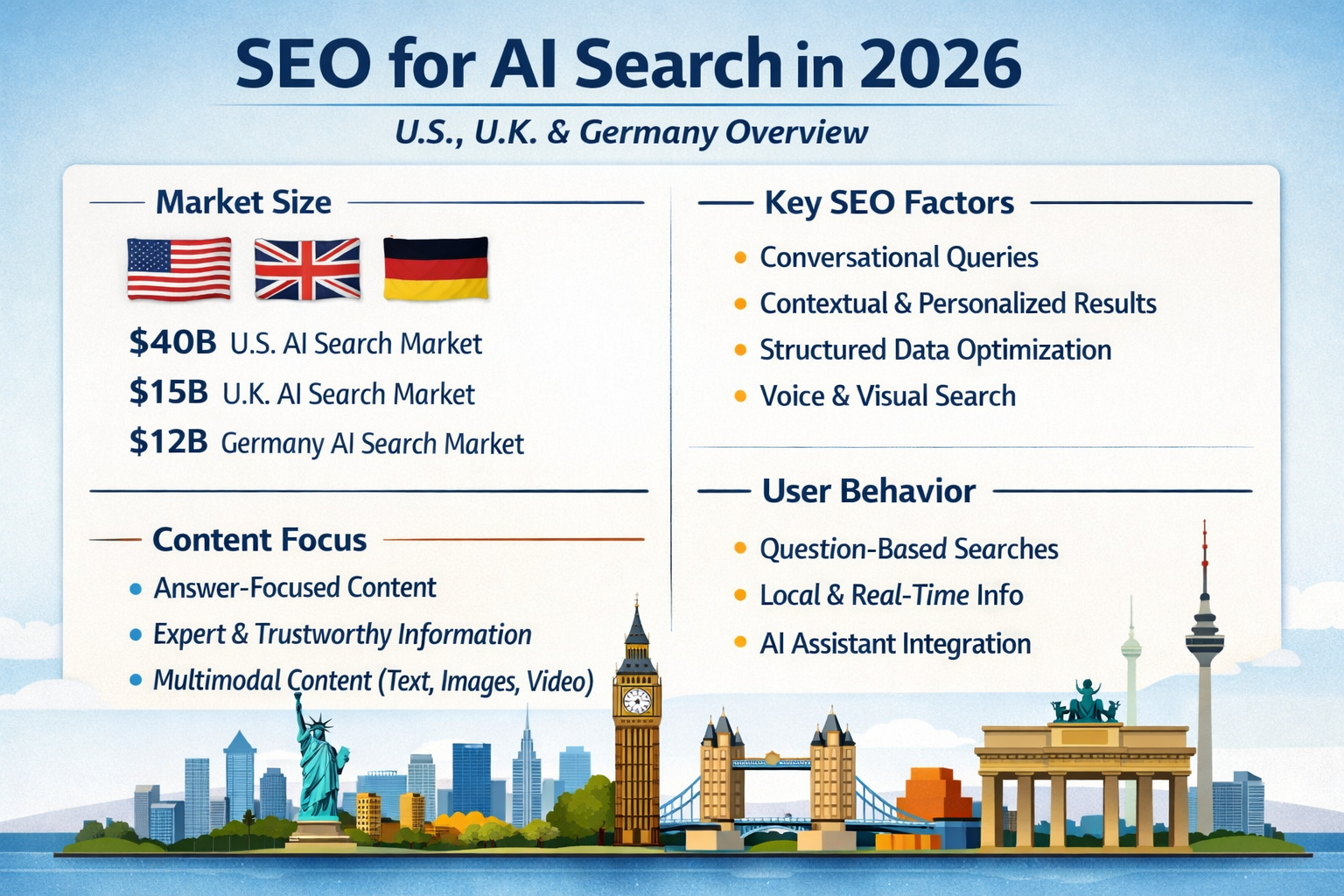
The most effective approach blends SEO, AEO, and GEO into one practical strategy. That means creating helpful, trustworthy, well-structured pages that answer questions clearly, show real expertise, and reflect local expectations in markets like the USA, UK, and Germany.
What Changed for SEO for AI Search in 2026?
The goal is no longer just to rank first. Your content now has to perform across multiple surfaces: classic search results, AI-generated summaries, and conversational answer experiences.
In simple terms, SEO for AI search means making your pages easy to crawl, easy to trust, and easy to quote. Search engines and AI systems still rely on strong fundamentals, but they also reward content that is clear, direct, and structured around real user intent.
Traditional SEO still matters. Crawlability, internal linking, page quality, relevance, and topical authority remain the foundation. The difference is that now your content also needs to be answer-ready.
SEO vs AEO vs GEO: What Is the Difference?
These three terms are often treated like separate disciplines, but in practice they work best together.
| Approach | Main Goal | What It Focuses On |
|---|---|---|
| SEO | Get found | Rankings, traffic, crawlability, relevance |
| AEO | Get answered | Direct responses, snippets, concise explanations |
| GEO | Get cited | Trustworthy, quotable content for generative engines |
A simple way to think about it.
SEO helps you get discovered.
AEO helps you get selected for direct answers.
GEO helps you get cited or summarized by AI systems.
For most brands, the right move is not choosing one. It is building content that can do all three.

How Google AI Overviews and AI Mode Affect SEO
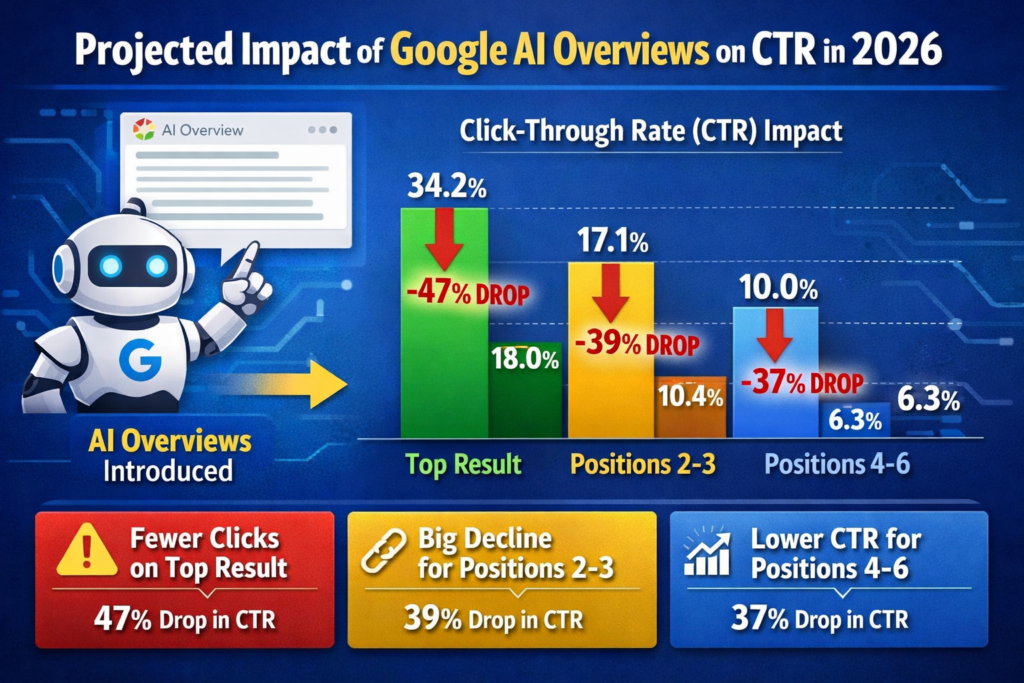
AI Overviews and conversational search experiences are changing how people interact with results pages. Users often get part of the answer before they ever click through.
That shifts the job of content. You are no longer competing only for clicks. You are also competing for visibility, citation, and brand recall.
For businesses targeting the USA, UK, and Germany, this matters even more because search behavior, trust expectations, and compliance signals vary by market. A page that works for a SaaS buyer in New York may not feel convincing to a regulated buyer in London or Berlin.
What this means in practice
Informational queries may bring less predictable CTR.
Commercial pages need stronger trust signals.
Question-based content becomes more valuable.
Localized examples matter more than generic copy.
How to Rank and Get Cited in AI Answers
Some pages rank well but still never appear in AI-generated answers. Usually, the issue is not indexability. It is quotability.
To improve your chances, create pages that are useful for both people and machines:
Start with direct answers
Open important sections with a short, clear response to the core question. Then expand with context, examples, and practical detail.
Use clear entities and real-world references
Mention products, standards, frameworks, and locations where they naturally belong. Terms like GDPR, UK GDPR, HIPAA, AWS, Azure, or PCI DSS can strengthen clarity when they are genuinely relevant to the topic.
Structure content for fast understanding
Use:
Descriptive H2 and H3 headings
Short paragraphs
FAQ blocks
Comparison tables
Ordered steps
Internal links to supporting pages
Add supporting media
Images, diagrams, and videos can improve comprehension and help search systems understand the page more completely.
Build depth around likely follow-up questions
A strong page does not stop at the basic answer. It also addresses objections, comparisons, implementation questions, and next steps.
Content Strategy for AI Search Across the USA, UK, and Germany
A smart AI-search strategy is not one-size-fits-all. The same topic often needs different framing depending on the region.
USA.
In the US market, commercial content often performs better when it combines strong search intent targeting with practical trust signals. Buyers want proof of security, governance, and implementation maturity.
For example, a healthtech or fintech page should not sound like a generic SaaS landing page. In practice, US buyers respond better when content clearly reflects operational realities and industry expectations.
UK.
In the UK, direct language tends to work well. Pages should feel clear, concise, and transparent.
For sectors tied to regulated data, trust language matters. Referencing practical standards, responsible data handling, or familiar frameworks can make content feel more credible to UK buyers.
Germany: localization beyond translation
In Germany, localization usually needs more than translated copy. Stronger performance often comes from.
German-language pages where appropriate
Local terminology
Clear compliance-aware messaging
More precise trust framing for regulated industries
Many B2B buyers in Germany also expect content to feel more exact, structured, and regionally grounded.

How to Measure AI Search Visibility and Traffic Impact
There is still no perfect all-in-one dashboard for AI-search performance, so measurement needs a broader view.
Search Console remains essential, but it should be paired with manual SERP reviews and third-party visibility tools when citation tracking matters.
Focus on these four KPI groups
Traditional rankings
Track where core commercial and informational pages rank.
AI citation visibility
Monitor whether your content appears in AI summaries, answer boxes, or citation panels.
Assisted conversions
Measure whether AI-visible content influences branded search, demo requests, or later-stage conversions.
On-page engagement
Look at engaged sessions, scroll depth, time on page, and conversion actions.
This gives a more honest picture than traffic alone.
SEO for AI Search Best Practices for 2026
To succeed with SEO for AI search, build pages that are useful at three levels: discoverable, answerable, and persuasive.
Here is the practical playbook.
Publish expert-led, people-first content
Front-load key answers near the top
Use strong heading structure and internal linking
Add FAQs for search-style queries
Keep commercial paths visible without making the page feel sales-heavy
Refresh important pages regularly
Localize trust signals for each target market
The most resilient content is the kind that works for skimmers, search engines, AI systems, and buyers in one flow.
Common Mistakes Brands Make
A lot of teams are chasing AI visibility the wrong way. The most common mistakes include.
Publishing generic AI-written content with no clear expertise
Focusing on schema while ignoring content quality
Writing one global page for very different markets
Hiding the real answer too deep in the article
Measuring success only by last-click traffic
From a small business and in-house marketing point of view, the winning edge is not more content. It is sharper content.

Final Take
The future of SEO for AI search is not about abandoning traditional SEO. It is about expanding it.
You need pages that can rank, answer, and convert. That means combining technical SEO, concise answer-first writing, strong entities, localized trust signals, and a clear next step for the reader.
Start with your highest-value pages first. Audit weak intros, vague headings, thin answers, missing localization, and unclear conversion paths. Then strengthen the pages that matter most to revenue.
If your team wants better visibility in both classic search and AI-driven results, now is the time to upgrade your content system, not just publish more of the same.( Click Here’s )
FAQs
Q : Does structured data directly improve visibility in AI answers?
A : Not in a guaranteed way. Structured data helps search engines understand your content better, but it does not automatically earn AI-answer visibility. Clear, useful, trustworthy content still matters more.
Q : Is zero-click search always bad for brand growth?
A : No. It can reduce direct traffic on some queries, but it can still improve awareness, recall, and assisted conversions. A visible brand often wins later, even when the first query does not produce a click.
Q : How often should content be updated for AI search?
A : A quarterly review is a solid baseline for key commercial pages. Fast-moving topics may need more frequent updates, especially when product details, compliance expectations, or SERP behavior change.
Q : Should brands create separate pages for the UK, USA, and Germany?
A : In many cases, yes. Separate or clearly localized pages make it easier to reflect regional language, regulations, buyer expectations, and proof points without forcing one generic page to cover everything.
Q : What content formats are most likely to get cited by AI systems?
A : Pages with concise definitions, comparison sections, FAQs, supporting evidence, strong headings, and clear entity references tend to be easier for answer engines to understand and reuse.
[…] For a broader approach, see Mak It Solutions’ SEO for AI search guide. […]