


Boost GCC Sales With Cash on Delivery Checkout UX
Boost GCC Sales With Cash on Delivery Checkout UX
Boost GCC Sales With Cash on Delivery Checkout UX
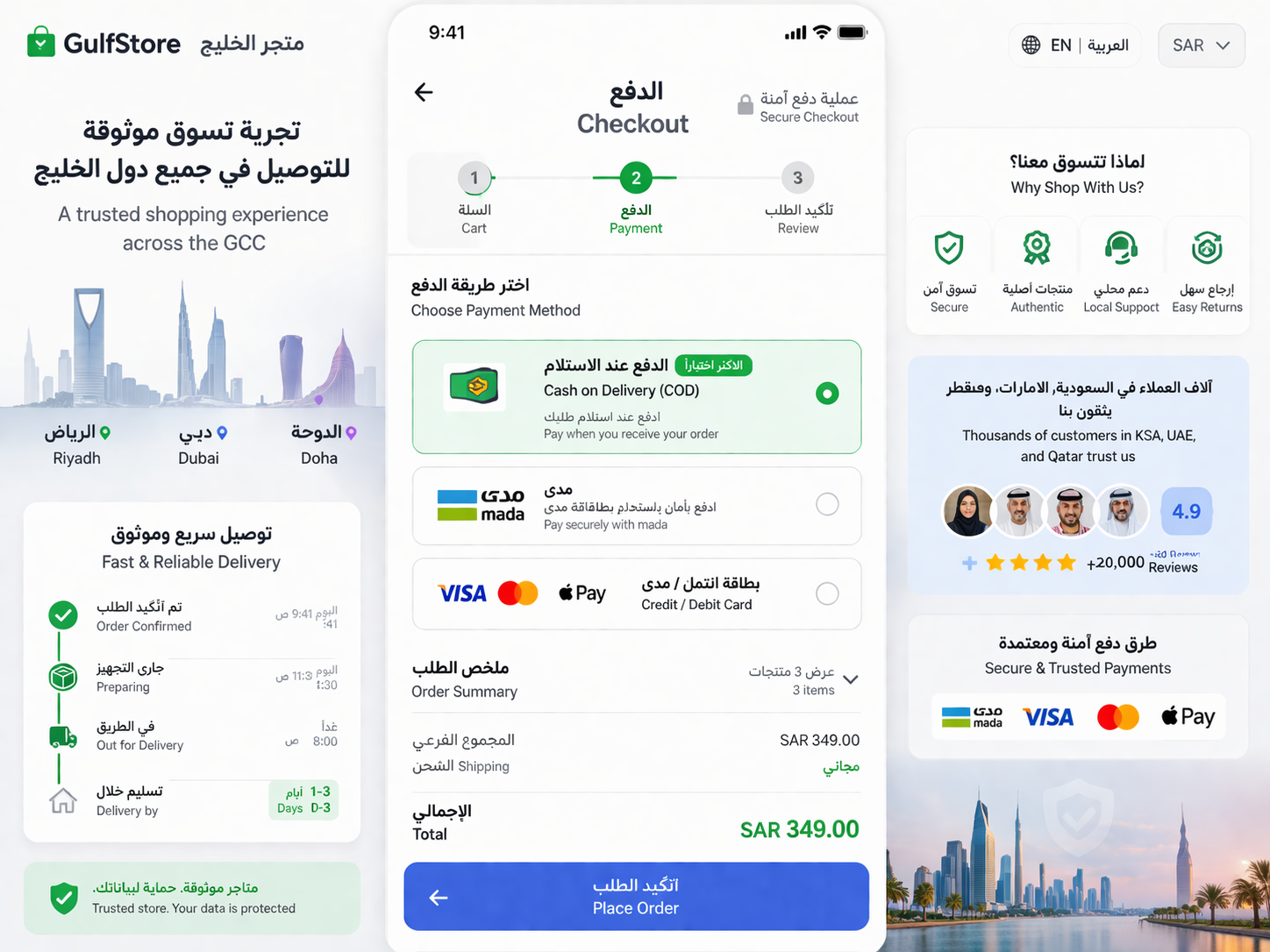
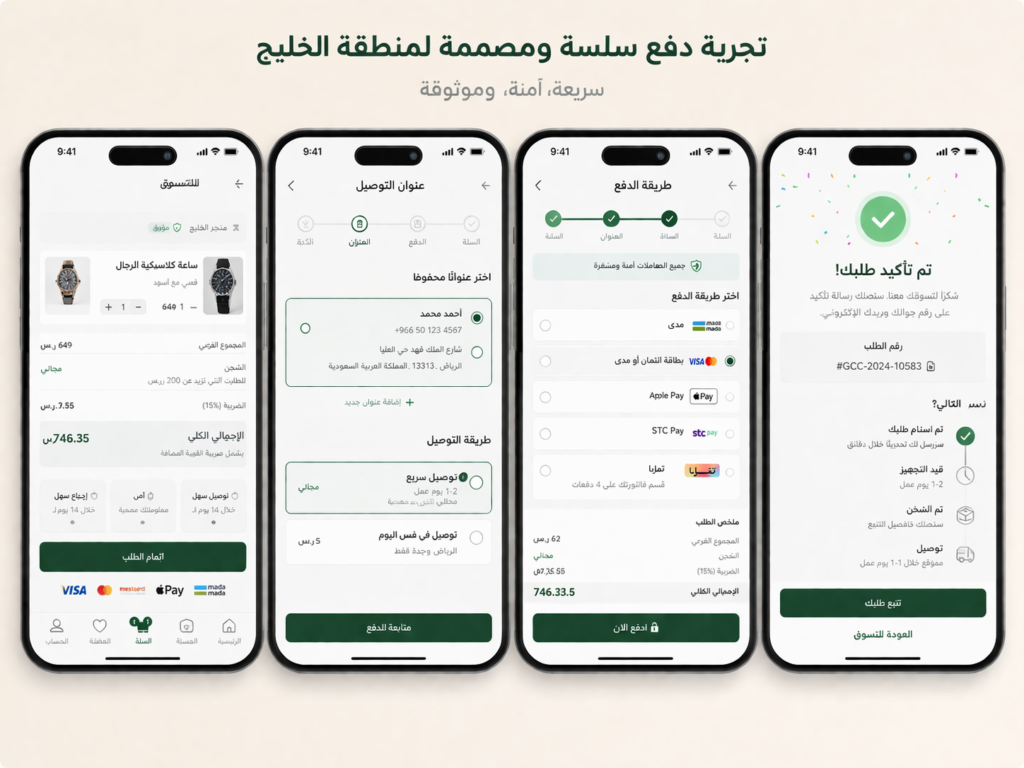
Cash on delivery checkout UX in Saudi Arabia, the UAE, and Qatar is mostly a trust problem, not just a payment problem. Shoppers are more likely to complete an order when checkout feels local, clear, bilingual, and low-risk. That means visible payment options, realistic delivery promises, strong Arabic UX, and policies that are easy to understand before the final click.
For GCC brands, the goal is not always to remove COD overnight. In many cases, the smarter move is to make prepaid checkout feel just as safe, familiar, and convenient.
GCC shoppers often make their final decision at checkout. That is especially true when mobile shopping is common, first-time buyer trust is still fragile, and customers in Riyadh, Jeddah, Dubai, Abu Dhabi, and Doha expect a buying experience that feels made for their market.
What Cash on Delivery Checkout UX Really Means
Cash on delivery checkout UX is the set of design choices that helps a shopper feel comfortable placing an order, especially when they are not fully ready to pay upfront. In Saudi Arabia, the UAE, and Qatar, that comfort often comes from a mix of payment familiarity, clear delivery expectations, Arabic readability, and visible business credibility.
COD still matters because it reduces perceived risk. A shopper may not be questioning the product itself. They may be wondering whether the order will arrive on time, whether returns are easy, or whether the store is legitimate. When checkout does not answer those questions clearly, COD becomes the safer option.
That is one reason GCC checkout behavior can differ from Western e-commerce flows. Many Western checkouts assume card confidence by default. In GCC markets, trust is more layered. Buyers often notice the small details first: Arabic-first wording, local payment icons, WhatsApp support, refund clarity, and delivery language that feels realistic for their city.
Why Shoppers in the GCC Abandon Checkout
Checkout abandonment usually happens when uncertainty builds faster than confidence. In the GCC, three issues show up again and again.
Payment familiarity
A Saudi shopper may feel more at ease when COD appears alongside mada and clear secure-payment messaging. In the UAE, digital payment confidence is often higher, but shoppers still expect a polished bilingual experience. In Qatar, secure gateway presentation and professional checkout language can have a bigger influence than flashy design.
Delivery and return uncertainty
For many buyers, the real concern behind COD is simple: what happens if something goes wrong? If shipping costs, delivery windows, refund timing, or return eligibility are hidden, hesitation rises quickly.
Weak Arabic or bilingual UX
Arabic support is not just a translation layer. It affects trust, speed, and clarity. Poor RTL handling, awkward labels, and inconsistent switching between Arabic and English can make a checkout feel unreliable, even when the backend is fine.
Brands already improving Arabic UX design for GCC RTL websites and Arabic web design trust patterns often find that conversion friction starts falling before they change anything about payment strategy.
How Saudi, UAE, and Qatar Expectations Differ
The GCC is not one single checkout market. The trust trigger is slightly different in each country.
Saudi Arabia.
Saudi shoppers often want reassurance early in the process. Mada visibility, simple fee breakdowns, clear customer data handling, and mobile-friendly flow all matter. For first-time buyers, COD can still feel like a sensible safeguard until the brand proves it is dependable.
UAE.
In the UAE, shoppers are often more comfortable with cards and wallets, but that does not mean they will tolerate friction. A cluttered form, vague policy wording, or poor bilingual flow can still hurt conversion. Fast, clean, multilingual checkout usually wins here.
Qatar
In Qatar, buyers often respond well to checkout that feels regulated, secure, and professionally presented. Clear gateway language, reliable delivery information, and well-structured policies can be more persuasive than aggressive sales copy.
Trust Signals Every GCC Checkout Should Show
A high-converting checkout page should reduce doubt before the shopper has to ask a question.
Familiar payment options
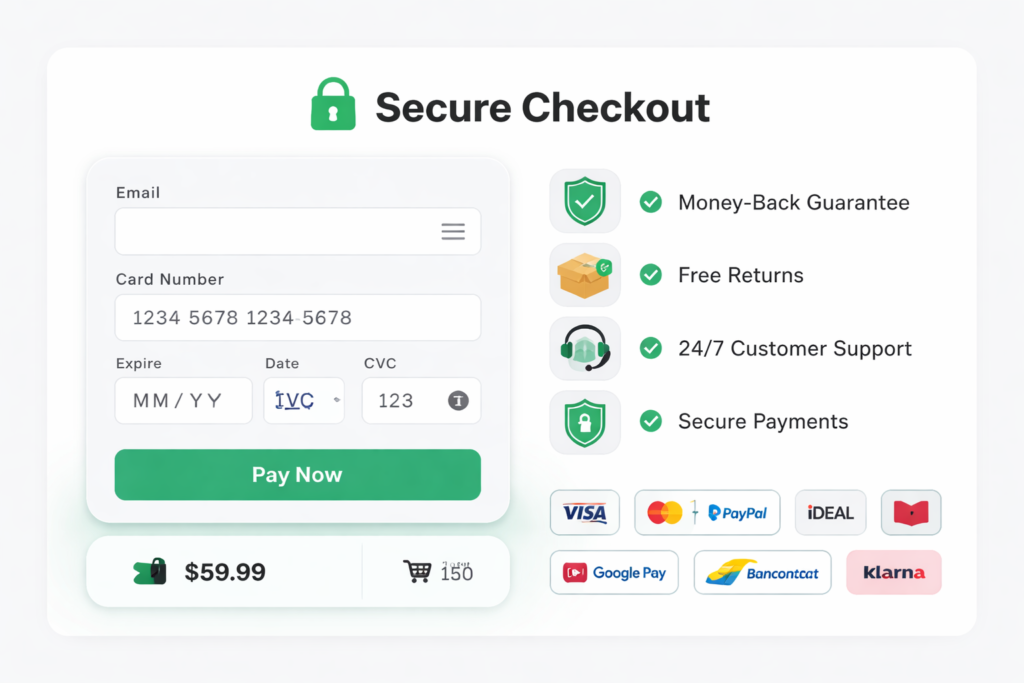
Show the payment methods people expect to see in their market. In Saudi Arabia, that includes mada. In the UAE and Qatar, that may include cards, wallets, and trusted gateway branding. Do not bury these signals at the bottom of the page.
Clear delivery promises
Before the final payment step, the shopper should know.
Expected delivery timing
Shipping fees
Stock status
Whether COD has any extra fee
What happens if the order is delayed
This is especially important for brands scaling through Shopify development services, WooCommerce development services, or broader e-commerce solutions.
Return and refund clarity
A short, visible summary works better than forcing users to leave checkout and hunt through a policy page. Refund timing, return eligibility, and support contact should be obvious.
Real business credibility
Support channels matter in GCC markets. A clear contact page, customer service number, WhatsApp option, business address, and genuine reviews often do more for conversion than a discount banner.
Arabic-first readability
Even on bilingual sites, the checkout should feel natural in Arabic. That includes.
Proper RTL layout
Readable form labels
Familiar terminology
Clean Arabic-English switching
Mobile-friendly spacing and input fields
Compliance and Data Trust Matter More Than Many Brands Think
Checkout is not only where money changes hands. It is also where shoppers hand over personal data. That makes trust around compliance and privacy part of the UX.
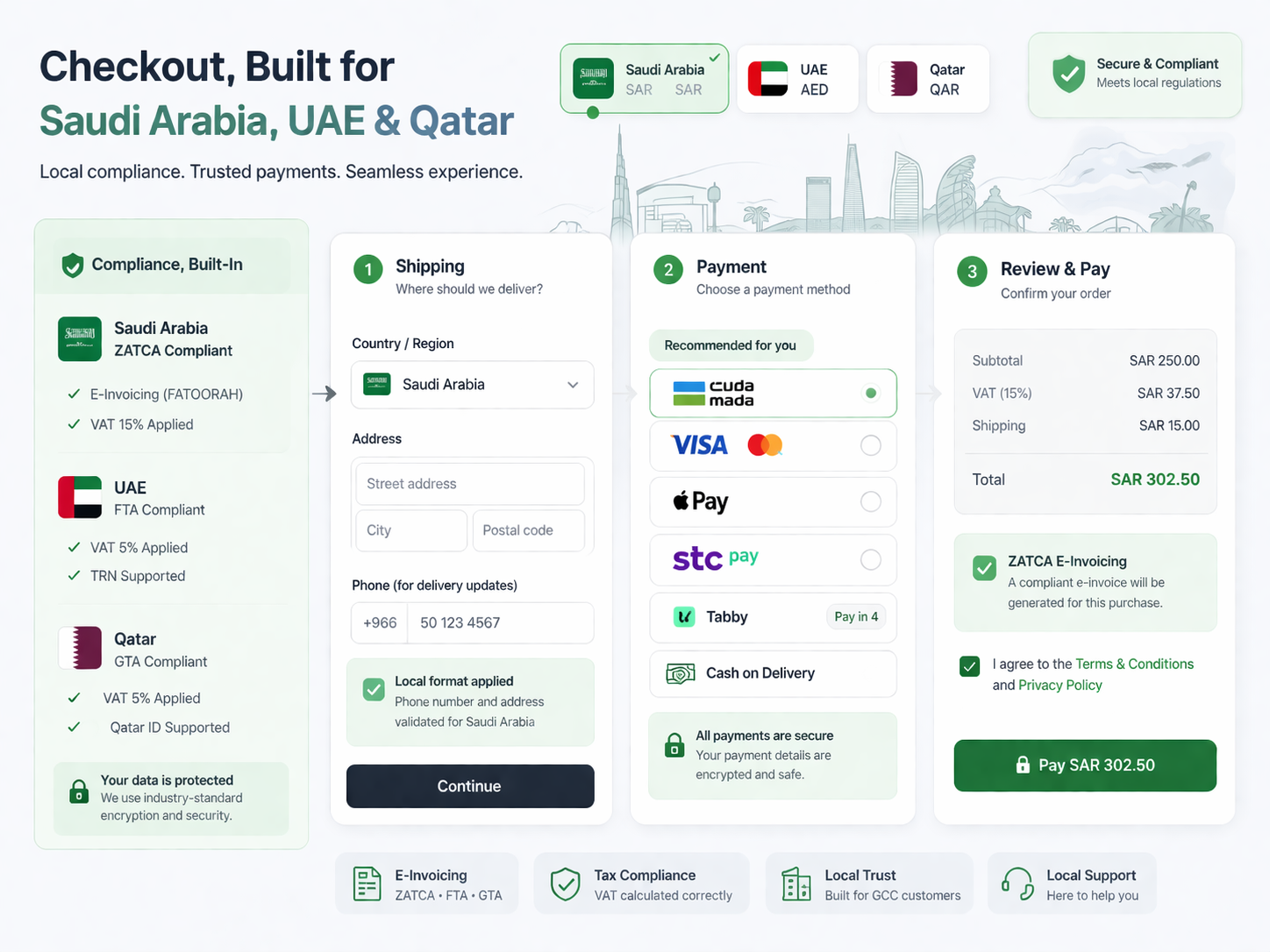
Saudi Arabia
In Saudi Arabia, buyers are increasingly aware of data protection and responsible customer data handling. Checkout should make consent, data usage, and account information feel transparent rather than vague.
UAE
In the UAE, shoppers expect digital experiences to feel secure, modern, and professionally governed. Even when a checkout does not directly use government-linked digital identity systems, the overall experience should still reflect that level of trust and clarity.
Qatar
In Qatar, strong payment presentation and secure data handling can reinforce credibility quickly. Buyers often respond well when checkout feels structured, reliable, and serious about protecting personal information.
From a business point of view, that means avoiding vague consent language, confusing account creation prompts, or hidden data collection steps.
How to Reduce COD Dependence Without Losing Sales
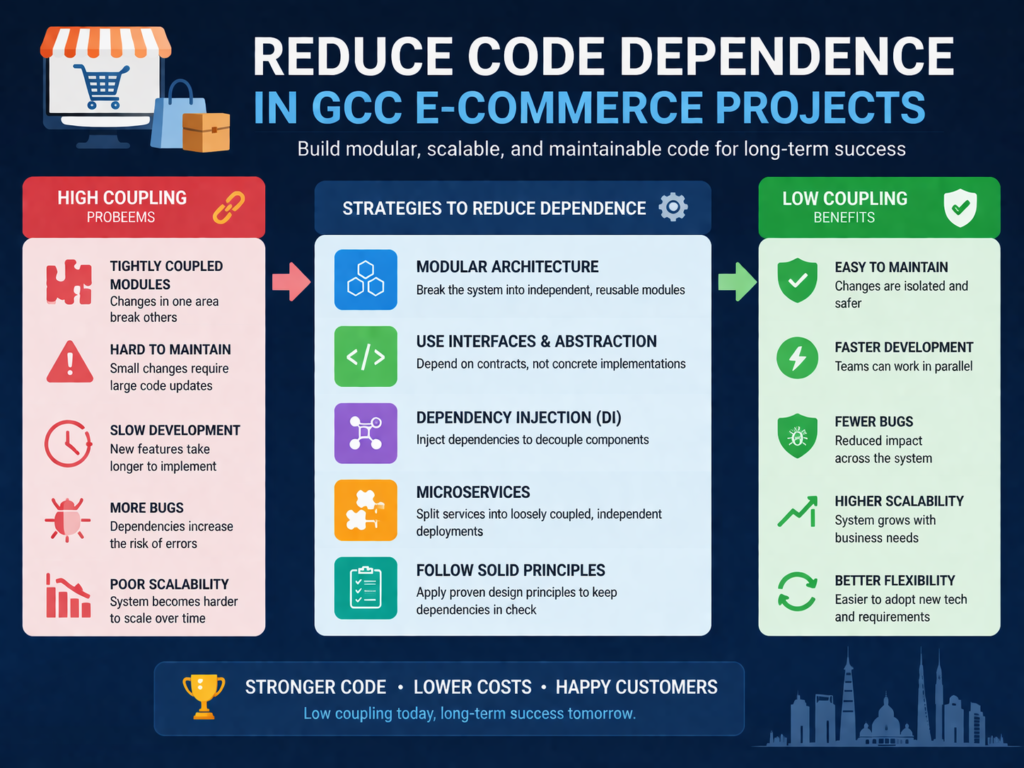
Trying to force prepaid adoption too early can backfire. A better strategy is to reduce the reasons people choose COD in the first place.
Improve trust before limiting payment choice
If the store still has weak delivery messaging, unclear policies, or poor Arabic UX, removing COD will not solve the real problem. Fix the trust layer first.
Segment first-time and returning buyers
First-time shoppers usually need more reassurance. Returning buyers may be ready for faster prepaid flows, saved addresses, or one-tap reordering. Treating both groups the same often leaves money on the table.
Make prepaid feel easier, not just cheaper
Discounts can help, but they are not the whole answer. Better incentives often include.
Faster dispatch
Simpler refunds
Loyalty points
Smoother repeat checkout
Lower friction on mobile
Apply risk-based COD rules
Some brands reduce COD gradually by limiting it for high-value orders, repeat returns, or certain remote delivery zones. That feels more reasonable than a blanket removal.
Best Practices for High-Converting MENA Checkout UX
The strongest checkout experiences in Saudi Arabia, the UAE, and Qatar usually share the same fundamentals.
Keep forms short
Every extra field adds friction, especially on mobile. Ask only for what is necessary.
Design for mobile first
Many buyers in the GCC browse and buy on phones. Inputs should be easy to tap, labels should stay visible, and the payment section should not feel crowded.
Use localized messaging
Generic checkout copy feels weak. Region-aware wording performs better. Mention delivery timing clearly for cities like Riyadh, Dubai, and Doha, and make operational language feel realistic rather than overly broad.
Show trust before the payment step
Do not wait until the last screen to explain shipping, returns, or support. The earlier trust appears, the less likely the buyer is to fall back on COD as a protective choice.
Support Arabic SEO and discovery upstream
Trust starts before checkout. Brands often see stronger conversion when checkout improvements are supported by technical SEO for Arabic GCC websites, multilingual SEO structure, and schema markup for Arabic websites. When the site already feels local and credible before the user lands on a product page, checkout has less trust debt to overcome.
A Simple GCC Checkout Audit Framework
If you want to improve cash on delivery checkout UX, review your current flow against these five questions:
| Area | What to check |
|---|---|
| Payment trust | Are local payment methods clearly visible and easy to understand? |
| Delivery clarity | Can users see fees, timing, and exceptions before they commit? |
| Policy confidence | Are returns, refunds, and support details easy to find during checkout? |
| Arabic UX | Does the Arabic version feel native, not translated? |
| Mobile friction | Can a first-time shopper complete checkout quickly on a phone? |
If two or three of these areas are weak, COD is often acting as a trust substitute.
Concluding Remarks
Cash on delivery checkout UX in Saudi Arabia, the UAE, and Qatar works best when checkout is designed around confidence, not assumptions. Shoppers are more willing to pay upfront when payment options feel familiar, Arabic UX feels natural, delivery promises feel believable, and the store looks legitimate at every step.
If your store still depends heavily on COD, the issue is probably not payment mix alone. It is more likely a trust architecture problem. Fix that, and prepaid conversion becomes much easier to grow without hurting revenue.( Click Here’s )
FAQs
Q : Is cash on delivery still important in Saudi Arabia?
A : Yes. It still matters, especially for first-time purchases and lower-trust merchants. Many Saudi shoppers use COD as a way to reduce perceived risk until they feel confident in the store.
Q : Which checkout elements build the most trust in the UAE?
A : In the UAE, trust often comes from a polished bilingual experience, secure card and wallet options, visible support details, and clear refund and delivery language. Convenience matters, but clarity still drives conversion.
Q : Does Qatar need different checkout trust signals than Saudi Arabia?
A : Usually, yes. Saudi checkout often benefits more from payment familiarity and COD reassurance, while Qatar may respond more strongly to secure gateway presentation and professional policy wording.
Q : How important is Arabic support for GCC checkout conversion?
A : It is essential. Arabic support improves readability, lowers friction, and makes policies and payment options easier to trust, especially on mobile.
Q : What should brands fix first if they want to reduce COD dependence?
A : Start with delivery clarity, payment reassurance, return policy visibility, and Arabic-first mobile UX. Those fixes usually do more than simply pushing prepaid discounts.