


Answer Engine Optimization for Saudi Blogs
Answer Engine Optimization for Saudi Blogs

Answer Engine Optimization for Saudi Blogs
AI tools do not quote blog posts just because they rank. They quote pages that answer the question clearly, show strong trust signals, and make the context easy to understand. That is why answer engine optimization matters for brands in Saudi Arabia, the UAE, and Qatar.
For GCC businesses, the best answer-first blogs usually do four things well: they give a direct answer early, use local context instead of generic global advice, reference credible entities when needed, and follow a clean structure that is easy for both readers and AI systems to scan. For brands targeting Riyadh, Jeddah, Dubai, Abu Dhabi, or Doha, that can make the difference between being visible and being overlooked.
Brands already investing in SEO services, web design, and mobile app development can get more value from that work by making their content easier to extract, summarize, and trust.
What Is Answer Engine Optimization in the GCC?
Answer engine optimization is the practice of formatting content so search engines, AI assistants, and answer-based interfaces can identify the core response quickly and present it with confidence.
Traditional SEO often focuses on rankings, keywords, backlinks, and long-form depth. Those still matter. But answer-first content adds another layer: it helps machines understand exactly what the page is saying, who it is relevant for, and why it is trustworthy.
For Saudi, UAE, and Qatar brands, this shift matters because the digital journey is already fast, mobile-heavy, and increasingly shaped by trust. In practice, that means users do not want to dig through five vague paragraphs before they reach the point. They want the answer now.
Why Saudi, UAE, and Qatar Brands Need Answer-First Content
Across the GCC, users compare providers quickly. They search in English, Arabic, or both. They often move from a search result to an AI summary to a landing page in minutes.
That behavior changes how blog content should be written.
A generic article stuffed with keywords may still exist online, but it is less likely to become the source AI systems pull from. A clear article with a sharp opening, useful headings, relevant local examples, and credible references stands a much better chance.
For example, a Riyadh fintech company should not write as if it is targeting a vague “global audience.” It should sound like it understands Saudi buyers, local compliance expectations, and the type of questions decision-makers actually ask.
The same applies in Dubai, Abu Dhabi, and Doha. Region-aware content feels more useful because it is more specific. And specific content is easier to quote.
Why AI Quotes Some Blogs and Ignores Others
AI systems tend to favor pages that reduce ambiguity.
That usually means.
A direct answer near the top of the page
Clear H2 and H3 headings
Short, focused paragraphs
Defined terms instead of unexplained jargon
Strong topical relevance
Obvious entity signals
Trustworthy references where appropriate
A long dramatic intro may sound polished, but it often delays the answer. That hurts extractability.
By contrast, an answer-first intro helps both the reader and the machine. It tells them what the page covers, who it is for, and what the takeaway is. That is especially useful in regulated or trust-sensitive sectors such as fintech, health, logistics, government services, and e-commerce.
The Role of Local Entity Clarity in GCC Content
One of the easiest ways to strengthen AI-readable content is to be more precise with your entities.
Instead of saying “regional rules,” name the relevant body when it genuinely supports the point. Instead of saying “buyers in the Gulf,” explain whether you mean Saudi B2B buyers, UAE retail shoppers, or Qatar-based SMEs.
This matters because AI systems do better when the subject is explicit.
Examples.
“Riyadh fintech compliance under SAMA” is clearer than “finance rules in the region.”
“Dubai digital trust signals under TDRA” is stronger than “telecom standards.”
“Doha fintech oversight under QCB” removes uncertainty and improves context.
That does not mean every paragraph should sound legal or overloaded with acronyms. It means the article should make the real-world setting obvious.

How to Structure an Answer-First Blog AI Can Quote
A strong answer-first blog does not need to be complicated. It just needs to be intentional.
Start with the answer above the fold
Open with a short paragraph that answers the main search intent directly.
Do not warm up for too long. Do not bury the point. Give the reader a clean answer first, then expand with context, examples, and detail.
Build headings around real search questions
Good headings are not just labels. They signal relevance.
Use H2s and H3s that reflect the questions people actually ask, such as:
What is answer engine optimization for Saudi brands?
How can UAE startups make blogs easier for AI to summarize?
Why does local trust matter in Qatar content strategy?
This also pairs well with content like schema strategy for AI search in 2026 and technical SEO for Arabic GCC websites.
Keep sections tight and scannable
Dense walls of text reduce clarity.
For mobile readers in the GCC, shorter paragraphs usually perform better. So do bullet lists, summary boxes, and simple transitions that make the article easy to follow in English and bilingual browsing journeys.
Add FAQs and internal links naturally
FAQ sections help answer adjacent questions without interrupting the flow of the main article.
Internal links also matter. They help search systems understand the relationship between pages and give users a natural next step. That could mean linking to services, contact, or a related guide like technical SEO audits.
GCC Localization Signals That Strengthen AI-Readable Content
Localization is not just about naming a country once in the intro. It is about showing that the content understands the market.
Here is what that can look like in practice.
| Market | Useful localization angle | Why it helps |
|---|---|---|
| Saudi Arabia | Governance, fintech trust, enterprise buying behavior | Adds credibility and relevance for regulated sectors |
| UAE | Mobile UX, fast digital journeys, multilingual audiences | Matches how users compare brands and services |
| Qatar | SME trust, cloud context, clear decision support | Helps position content for practical business needs |
You can also localize by city when it adds real value. Riyadh, Jeddah, Dubai, Abu Dhabi, and Doha are not interchangeable search contexts. A page aimed at enterprise technology buyers in Riyadh should not sound exactly like one aimed at retail brands in Dubai.
For English-language blogs, Arabic UX awareness still matters too. Many users move between Arabic and English pages during research. That makes clean wording, sharper hierarchy, and shorter sections even more important.

Compliance and Trust Signals for GCC Industries
For sectors where trust matters, answer-first writing works because it lowers confusion.
This is especially useful for.
Fintech
Government-related services
Logistics
Health
E-commerce
SaaS and B2B technology
In these areas, vague content can make a brand look careless. Precise content does the opposite.
From a small business point of view, even simple improvements can help. A blog that explains a topic clearly, references the right context, and avoids exaggerated claims feels safer to rely on. That makes it more likely to be read, shared, and cited.
When referencing entities such as SAMA, NDMO, TDRA, or QCB, use them responsibly. Mention them only when they truly support the point being made. The goal is not to name-drop. The goal is to strengthen clarity and trust.
Cloud and data-residency context can also matter in GCC content when the topic involves hosting, privacy, or infrastructure decisions. In those cases, region-aware details may increase credibility because they reflect how local buyers actually assess risk.
Common Mistakes GCC Teams Make with AI-Friendly Blogs
Many brands are close to getting this right, but a few common issues still hold them back.
Writing long intros with no direct answer
A weak opening can waste a strong topic. If the answer does not appear early, the page becomes harder to extract and easier to ignore.
Using jargon without explanation
Specialist language has its place. But when every paragraph sounds technical without being clear, both readers and AI systems struggle.
Relying on generic global advice
GCC audiences respond better to content that feels grounded in their market. Even one or two relevant local examples can make the article feel much stronger.
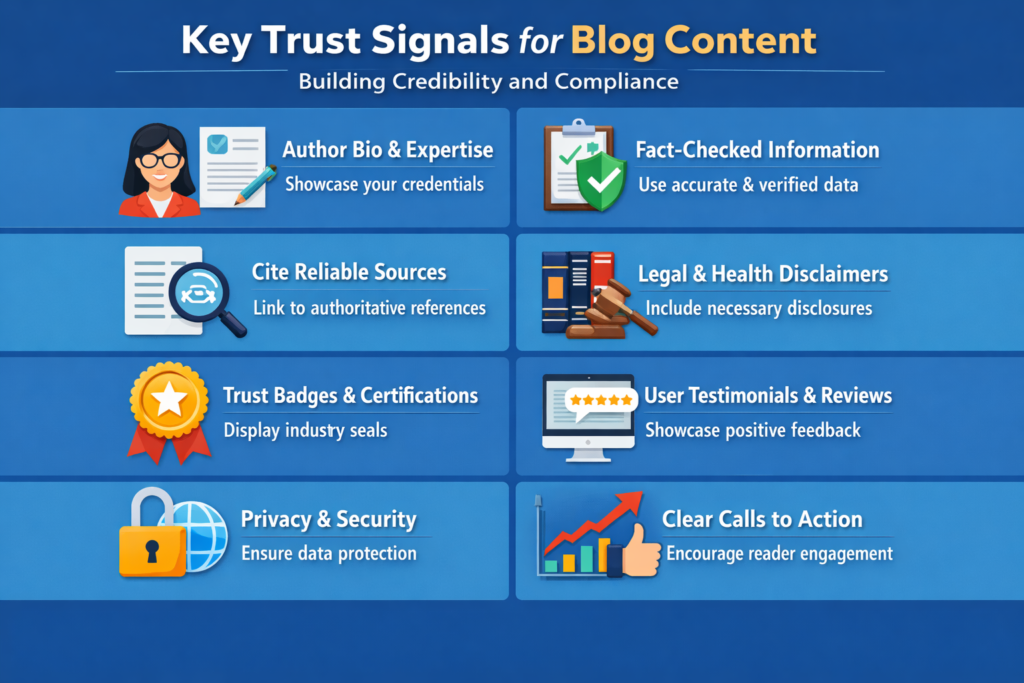
Ignoring author trust, schema, and structure
A page can look “fine” and still feel weak as a source. Structure, authorship clarity, FAQs, and internal linking all help support extractability.
A Practical Workflow for GCC Content Teams
A simple workflow often works better than an overcomplicated content process.
Start with intent
Define the exact user question and the country or city context.
Identify the trust layer
Decide whether the topic needs regulatory, technical, or market context.
Draft the answer first
Write the direct response before expanding into examples.
Localize the content
Add GCC-specific examples that fit the audience naturally.
Improve extractability
Tighten headings, shorten paragraphs, add FAQs, and review internal links.
Review before publishing
Check accuracy, clarity, schema opportunities, and whether the article actually answers the search intent in the first few lines.
Teams can also pair this work with business intelligence services to measure how answer-first content performs after launch.

Final Thoughts
The brands most likely to win with answer engine optimization are not always the ones publishing the most content. They are the ones publishing the clearest content.
For Saudi, UAE, and Qatar businesses, answer-first blogging is a practical way to improve visibility, build trust, and create content AI systems can quote with confidence. When your article gives the answer quickly, reflects local realities, and supports the topic with a clean structure, it becomes far more useful to both people and machines.
If your existing blog posts still sound like older SEO pages, now is the right time to refine them. A stronger answer-first strategy can help your content do more than rank. It can help it get chosen.
FAQs
Q : Is answer engine optimization useful for Saudi B2B companies?
A : Yes. It is especially useful for Saudi B2B companies in fintech, logistics, enterprise tech, and government-facing sectors. These audiences often need clear, low-risk information before they contact a provider.
Q : How can UAE startups make blogs easier for AI to summarize?
A : Start with a direct answer, use question-based headings, define terms clearly, and add local examples tied to Dubai or Abu Dhabi. Clean formatting and strong internal links also help.
Q : Do Qatar businesses need schema for AI-friendly blog content?
A : Schema is not mandatory, but it helps. It gives search systems more context about authorship, FAQs, page purpose, and structured information.
Q : Should English blogs for GCC readers include Arabic UX considerations?
A : Yes. Even when the article is in English, many readers compare information across English and Arabic search journeys. Clear structure and shorter paragraphs improve usability.
Q : Which GCC industries benefit most from answer-first content?
A : Fintech, health, logistics, government services, e-commerce, and SaaS benefit strongly because they depend on trust, clarity, and accurate information.